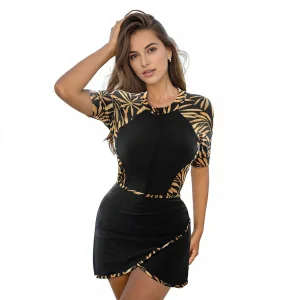
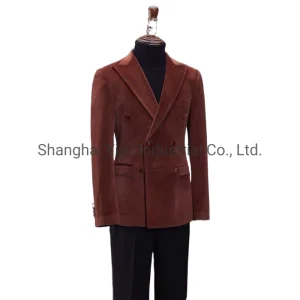
Engineered textiles, advanced tailoring, and contemporary fashion configurations for target international retailers.
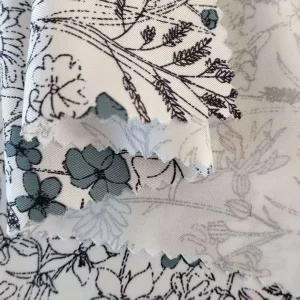
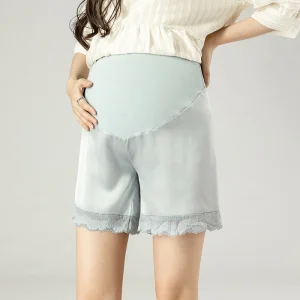
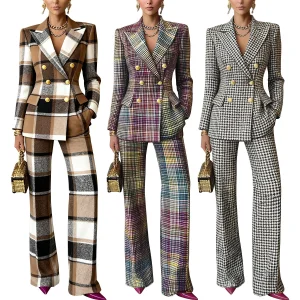
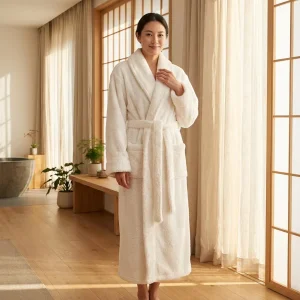
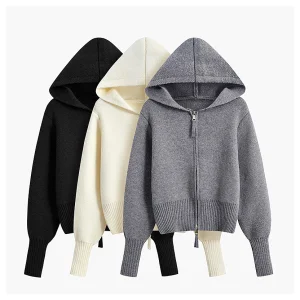
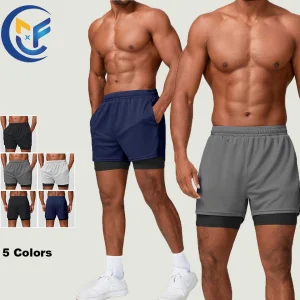
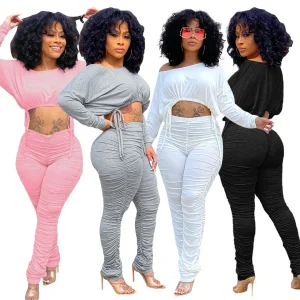
Operational overview of Guangzhou Dahab Fashion Co., Ltd. — established center of garment manufacturing excellence since 2012.
Guangzhou Dahab Fashion Co., Ltd. is a premier professional women's clothing manufacturer based in the global textile capital of Guangzhou, Guangdong, China. Since its inception in 2012, Dahab Fashion has established itself as an essential partner for international apparel brands, large-scale wholesalers, independent boutique networks, and dynamic e-commerce platforms requiring complex apparel manufacturing capabilities.
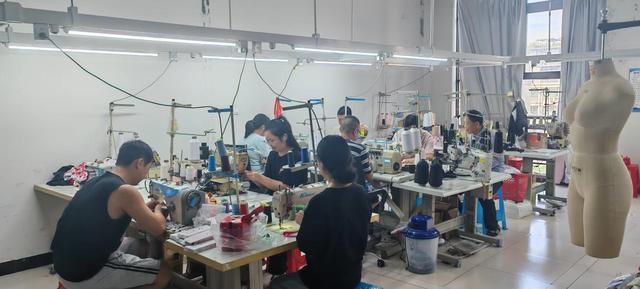
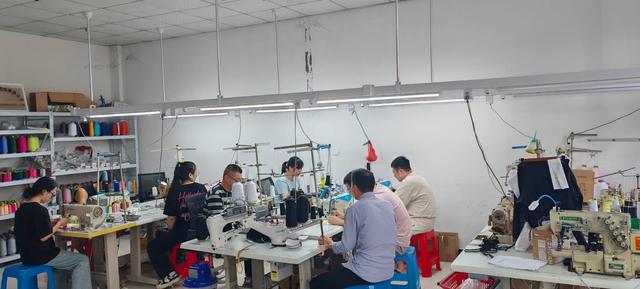
Operating within a modern, technologically optimized 16,000+ square meter manufacturing facility and supported by over 260 highly skilled technicians, Dahab Fashion bridges the gap between high-velocity apparel designs and structured mass-production requirements. The enterprise offers complete end-to-end OEM and ODM garment solutions, managing everything from basic yarn verification to structural patterns, digital textile printing, precision cutting, and international customs clearance.
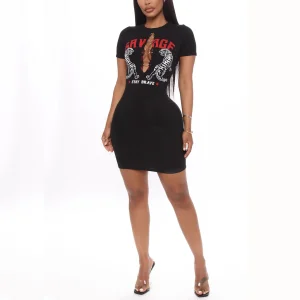
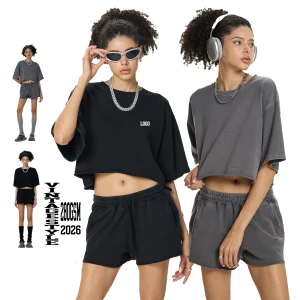
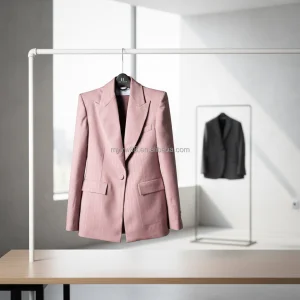
Dahab’s extensive product catalog features contemporary womenswear solutions: high-end casual wear, fashion-forward dresses, functional maternity attire, complex knitwear, robust outerwear, and tailored business coordinate sets. By operating at the intersection of material science and ergonomic pattern development, Dahab allows its global clients to rapidly introduce products that align with contemporary consumer shifts toward loose, draped, and relaxed silhouettes.
An authoritative analysis of structural shifts, technical frameworks, supply chain optimization, and compliance protocols in the global garment export industry.
The global apparel sector has experienced a profound shift from restrictive, body-hugging designs to loose, comfortable, and versatile clothing. However, in the manufacturing sector, "relaxed fit" does not mean simply grading up sizes. Proper relaxed fit design requires a precise understanding of human ergonomics and fabric drape dynamics.
To prevent oversized clothing from looking sloppy, Dahab Fashion utilizes computational 3D draping technologies. Our design team recalibrates key points like the drop-shoulder seam, armhole depth, and waist-to-hip transitions. This ensures that garments hang elegantly from the shoulder line while offering freedom of movement.
Furthermore, our fabric-specific patterns account for fiber behavior. For instance, viscose blends and fine linen behave differently under stress compared to dense cotton knits or fleeces. Our solutions manage these characteristics directly, reducing production errors and ensuring consistent sizing for international buyers.
Global apparel supply chains must balance speed-to-market with cost efficiency. As a leading exporter, Guangzhou Dahab Fashion operates at the center of the Southern China textile ecosystem, which provides direct access to high-quality raw materials, specialized treatments, and efficient deep-water ports.
Navigating diverse international regulations is a key challenge in modern apparel importing. Dahab Fashion maintains compliance across major global jurisdictions, ensuring that our products meet necessary legal and retail requirements.
Our facilities comply with strict environmental and labor standards, including REACH regulations in Europe, and CPSIA requirements in the United States. We source fabrics that carry OEKO-TEX Standard 100 certification, verifying that raw materials are free from harmful substances.
Additionally, we offer localized support for retail partners, providing custom packaging, retail barcoding, compliance labeling, and customs clearance documents. This reduces transit times at ports of entry, protecting our partners' supply chain schedules.
Dahab’s design and production capacities address a wide range of consumer demographics, from boutique collections to high-volume commercial apparel lines:
The garment industry is changing rapidly, driven by automation and sustainable technology. Dahab Fashion is implementing a technical roadmap focused on high-efficiency, eco-friendly manufacturing:
Our printing facility is moving toward water-free digital textile printing. Traditional dyeing methods can be water-intensive and produce significant chemical run-off. In contrast, our digital printing setup uses non-toxic inks and transfers designs directly onto fabrics. This method reduces chemical waste, improves color vibrancy, and maintains print details down to 137cm widths.
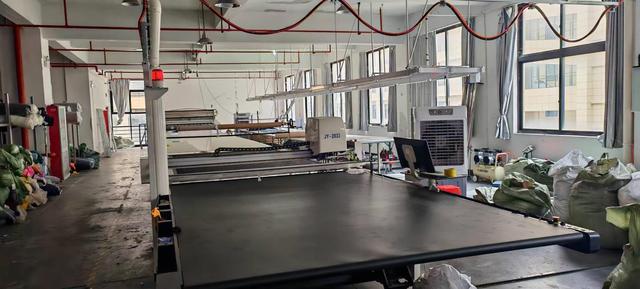
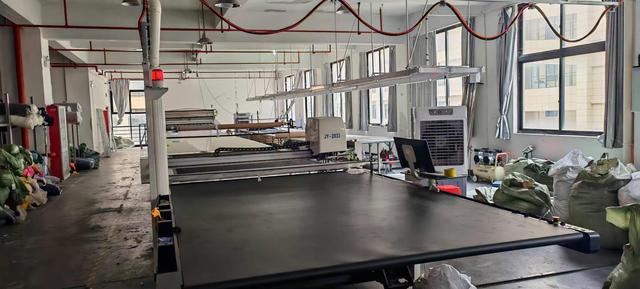
In our cutting and sewing departments, we use CAD software to optimize fabric placement. This system reduces textile scrap by up to 14%. We also integrate tracking software into our production workflow, giving clients real-time updates on their orders. These steps allow us to reduce waste and improve production consistency.
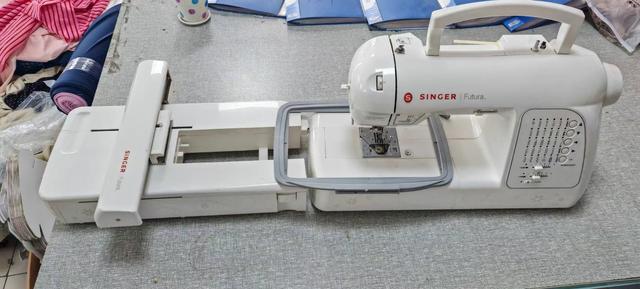
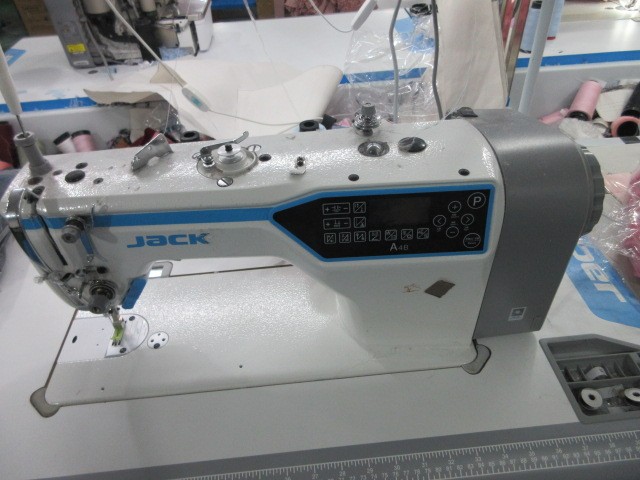
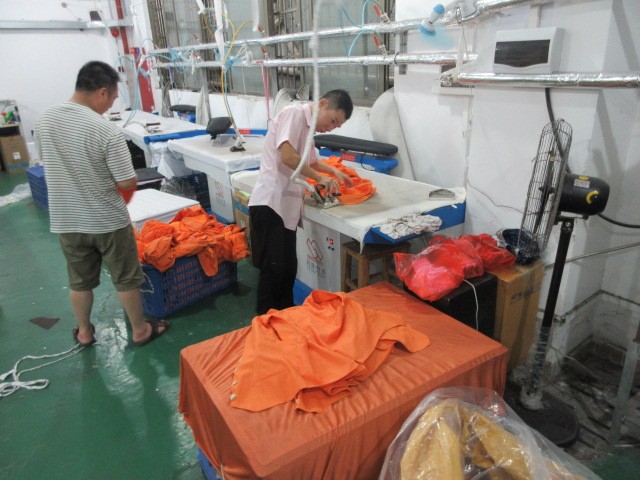
Transparent views of our 16,000+ square meter facility in Guangzhou, showcasing our production standards and manufacturing practices.
Answers to common operational, logistics, and material questions from international fashion brands and purchasing departments.
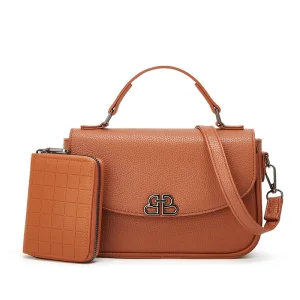
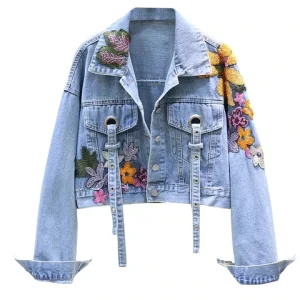
Technical fabrics, modern outer styles, and seasonal garments configured for global export markets.

 Dahab Fashion