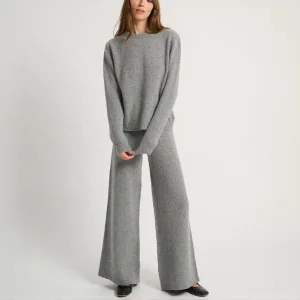
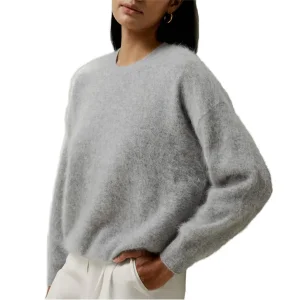
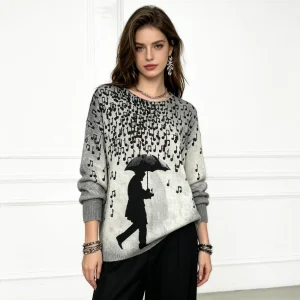
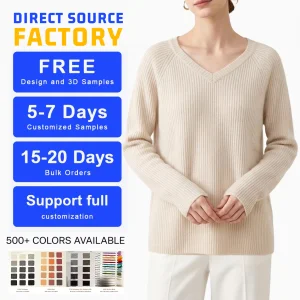
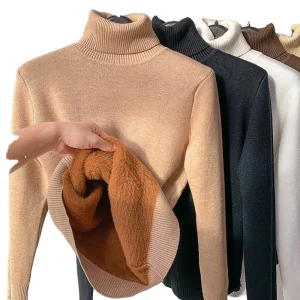
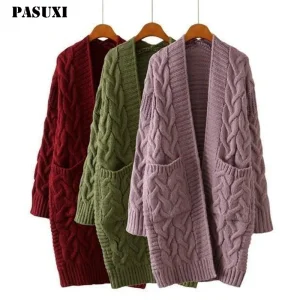
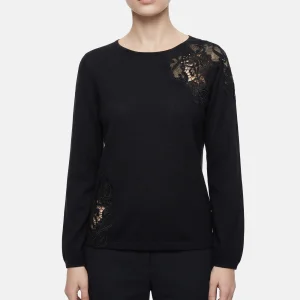
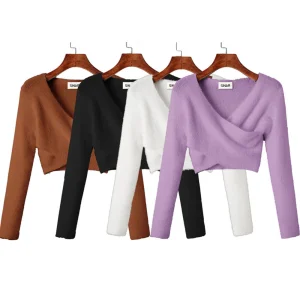
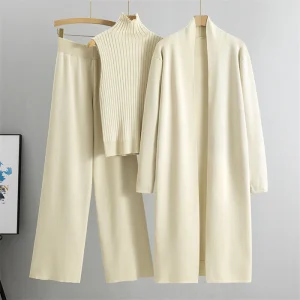
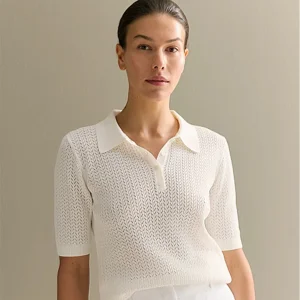
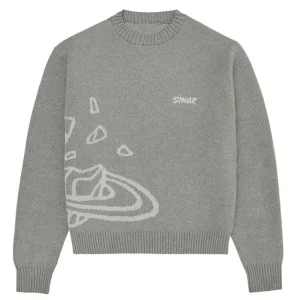
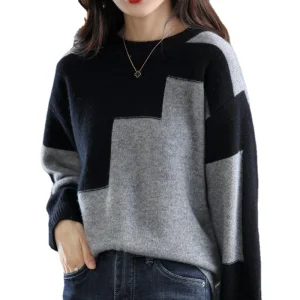
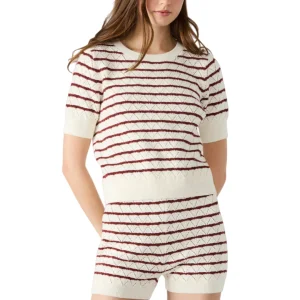
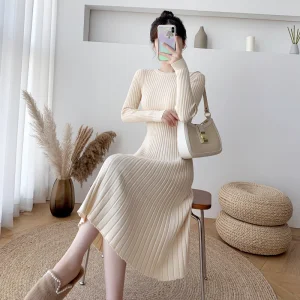
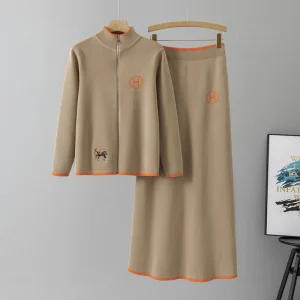
Explore our latest innovations in ultra-fine knits, structural cashmere blends, and sophisticated dynamic apparel, engineered for luxury comfort and high durability.
A analytical deep-dive into the modern dynamics of supply chains, material sourcing, and specialized manufacturing paradigms.
The contemporary global market demands absolute transparency and resilience in fiber procurement. Elite manufacturing requires direct integration with regional sources—such as utilizing high-grade pure cashmere sourced from Ningxia, long-staple organic cotton, and specialized mulberry silk. This direct oversight ensures structural elasticity, minimizes pilling parameters, and preserves the luxurious natural tactile response expected by discerning consumers.
By shifting from standard flat knitting to sophisticated multi-gauge production (utilizing 3GG, 5GG, 7GG, 12GG, and 14GG setups), advanced facilities like Guangzhou Dahab Fashion Co., Ltd. adapt dynamically to custom structural demands. Digitally programmed flat-bed knitting machinery optimizes tension patterns, minimizing yarn waste to near-zero while enabling complex patterns like pointelle, heavy cabling, and intricate lace splicing.
Global retail demands shorter product lifecycles and rapid micro-replenishment. Modern apparel factories must feature integrated design frameworks that convert seasonal mood boards into tech packs in under 48 hours. By blending high-speed computerized knitting with highly responsive logistics hubs, brands can mitigate inventory depreciation risks while maintaining a fresh stream of structural designs.
Overcoming global apparel complexity through advanced manufacturing, precision material blending, and digital supply pipeline coordination.
In the high-velocity fashion landscape, modern women's knitwear brands face persistent bottlenecks: fluctuating yarn costs, rigorous international compliance directives, and the technical difficulties of matching aesthetic designs with durable construction. Addressing these concerns requires a systemic engineering solution that spans from initial molecular yarn selection to the final automated steam-pressing phase.
Establishments like Guangzhou Dahab Fashion Co., Ltd. (founded in 2012) act as comprehensive strategic partners rather than simple production facilities. Operating a massive 16,000 square meter factory space, Dahab Fashion resolves these macro-industry problems by combining systematic design development with high-volume manufacturing capabilities. From structural prototype drafting to multi-channel logistics coordination, every phase is engineered to optimize lead times and ensure reliable product quality.
Combining structural fibers (such as combed cotton or high-twist merino wool) with luxury elements (such as 99% pure mulberry silk and premium fine sequins) requires advanced tension management. This ensures that garments retain their drape, suffer zero torque skewing after washing, and deliver excellent anti-static properties.
Using advanced CAD systems, digital patterns are automatically graded across multiple size ranges to guarantee a consistent fit. This digital process greatly reduces material waste and speeds up pre-production sampling, moving products from concept to final approval in days rather than weeks.
Advanced washing, pre-shrinking, and softening processes prevent pilling and color loss. By utilizing closed-loop water filtration systems and eco-friendly softeners, the factory achieves a soft, premium feel while meeting strict global environmental regulations.
Embracing AI-driven design pipelines, localized smart manufacturing, and eco-certified materials to meet the next generation of global fashion needs.
By feeding historical sales data and global runway trends into advanced styling algorithms, designers can rapidly generate knitwear concepts. These digital blueprints are converted directly into machine code for computerized knitting machines. This reduces sample waste, optimizes yarn usage, and lets brands test market interest with realistic digital renders before starting bulk production.
Modern knitwear requires managing a wide range of gauge specifications. Heavy 3GG and 5GG setups are utilized for chunky cardigans and textured winter coats. Meanwhile, ultra-fine 14GG and 16GG systems are reserved for lightweight silk-blend shirts and formal summer knit tops, ensuring clean seams and consistent stitch patterns across all weights.
The future of fashion is circular. High-quality knitwear manufacturing must incorporate recycled fibers, organically sourced wools, and biodegradable cellulosic yarns. Meeting global standards like the Global Organic Textile Standard (GOTS) and OEKO-TEX ensures that products are safe for consumers and produced under responsible environmental conditions.
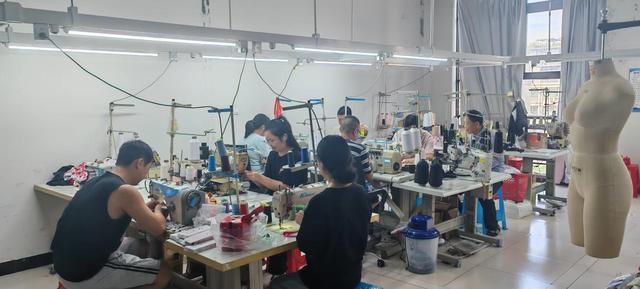
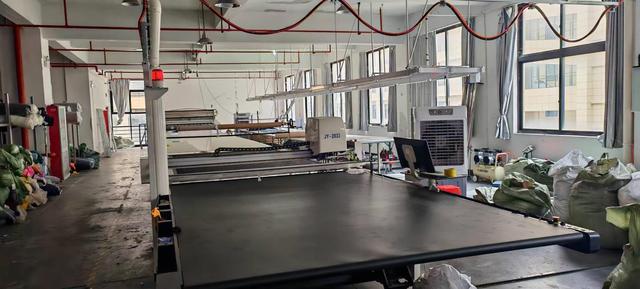
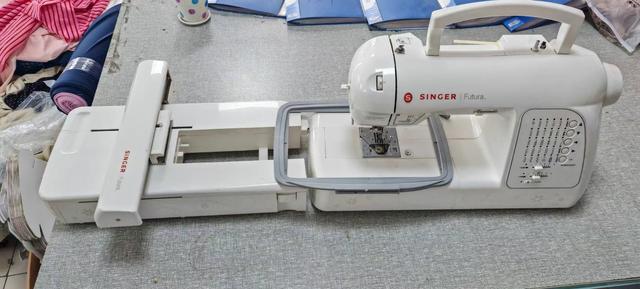
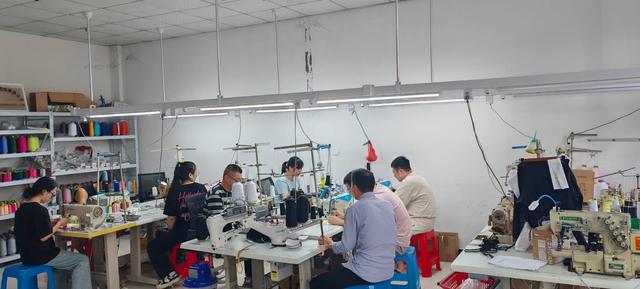
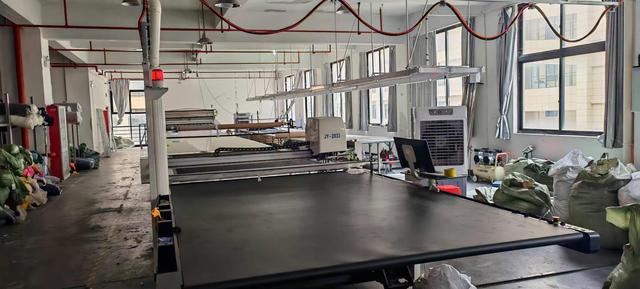
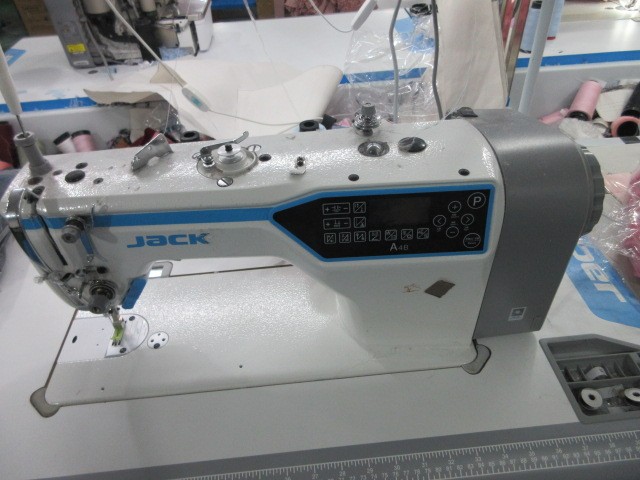
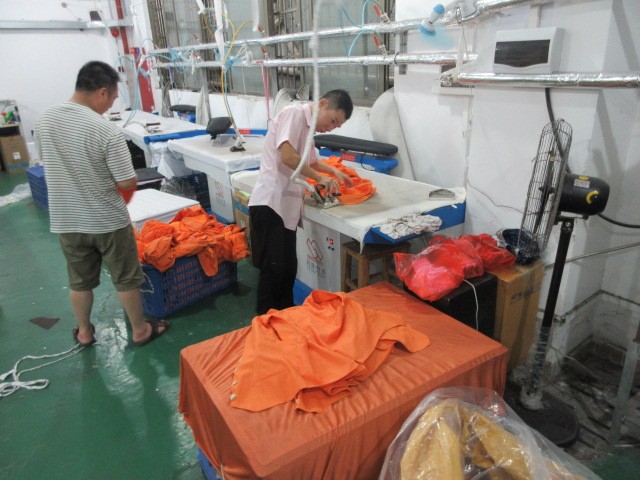
Inside Guangzhou Dahab Fashion's production floor: where modern engineering, strict quality control, and decades of textile experience come together.
How our manufacturing processes adapt to regional regulations, environmental mandates, and distinct lifestyle trends in key global markets.
For brands importing into the US and Canada, we offer full compliance with FTC textile labeling laws, verified country-of-origin tracking, and rigorous flammability testing. This ensures smooth customs processing and hassle-free retail distribution across all major North American ports.
We actively support European partners in meeting the latest environmental and circular economy targets. From chemical restriction compliance (REACH) to utilizing certified organic yarns, we provide the documented supply chain transparency needed for modern European retail.
Whether manufacturing heavy knitted outerwear for Northern European winters or breathable, moisture-wicking linen-cotton blends for humid coastal markets, our material scientists adjust yarn properties and knit structures to optimize weight, warmth, and airflow for specific local climates.
Clear, authoritative insights regarding technical parameters, order workflows, and manufacturing capabilities.
Discover our highly versatile knitted coordinates, lightweight spring pieces, and structural cardigans developed for active modern lifestyles.
 Dahab Fashion