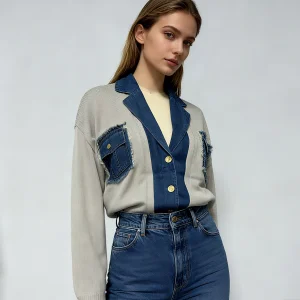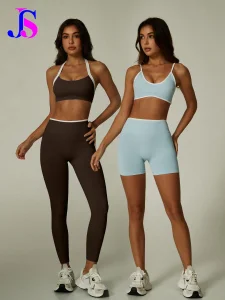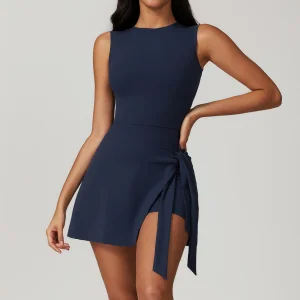
The global women's resort wear and apparel industry has evolved from a seasonal sub-category into a year-round multi-billion-dollar economic force. Driven by the expansion of luxury leisure travel, cruise vacations, and the structural shift toward "bleisure" (business + leisure hybrid travel), international consumers are demanding apparel that blends effortless aesthetics with superior textile performance.
Historically, resort collections (often designated as cruise collections) were designed solely for affluent clienteles holidaying in warm climates during winter months. Today, demographic shifts and structural changes in workplace environments have created a continuous demand cycle. Modern buyers demand fabrics that are highly breathable, wrinkle-resistant, packable, and aesthetically versatile enough to transition seamlessly from a beach club to high-end dining environments.
When procuring women's resort wear, sourcing directors consistently evaluate manufacturing hubs based on lead time, technological integration, cost efficiency, and raw material availability. While South-East Asia offers lower base-labor rates, China remains the undisputed global leader in apparel manufacturing due to its hyper-integrated vertical supply chains and technological capacity.
Guangdong, Zhejiang, and Jiangsu provinces form a complete raw material matrix. Sourcing offices in Guangzhou have immediate, local access to sustainable cotton, flax (linen), modal, and advanced synthetic blends, minimizing lead times to a fraction of the time required by competitors.
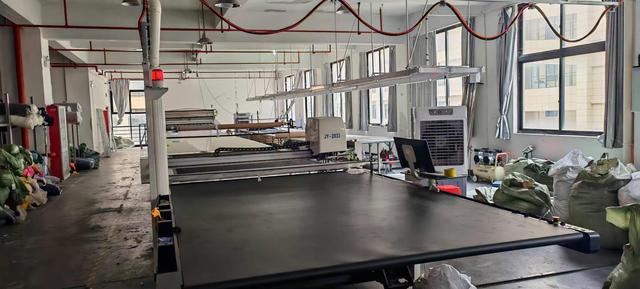
Chinese factories lead in integrating CAD/CAM systems, automatic laser cutters, and AI-driven pattern grading. Prototyping cycles that take 3-4 weeks in Central America or South Asia are completed in just 48 to 72 hours in Chinese tech-driven hubs.
Adherence to Acceptable Quality Limit (AQL) 1.5 and 2.5 standards is deeply embedded in China's manufacturing ecosystem. Highly skilled machine operators and robust standard operating procedures (SOPs) ensure near-zero defect rates.
Selecting the ideal contract manufacturer is critical to operational success. Global procurement teams evaluate factories against strict performance metrics to mitigate brand risk and secure pricing advantages. The top 10 women's resort wear factories globally are evaluated based on the following key operational parameters:
Top factories must possess certifications such as Global Organic Textile Standard (GOTS), OEKO-TEX Standard 100, and Global Recycled Standard (GRS). They offer state-of-the-art linen-modal blends, Tencel, organic cotton, and eco-friendly synthetic fibers that resist salt water and chlorine degradation.
Adapting to the high-turnover nature of modern retail, leading manufacturers offer flexible, scalable MOQs. Their production lines can handle small test batches (50–100 pieces per style) as well as mass-production runs exceeding 50,000 units.
Top factories maintain dedicated, in-house product development and styling teams. They translate 2D mood boards or sketches into physical patterns, offering comprehensive white-label and private-label customization options.
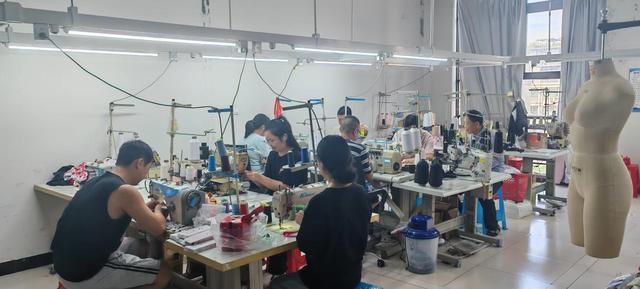
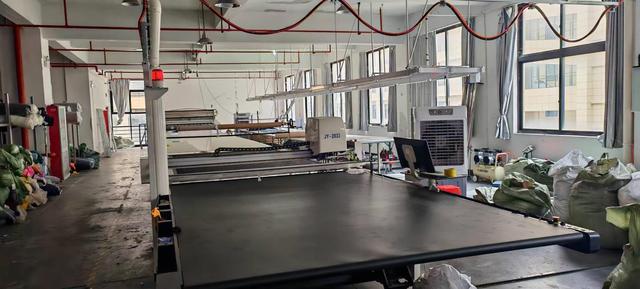
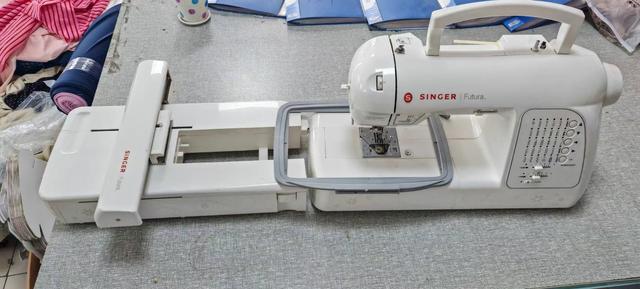
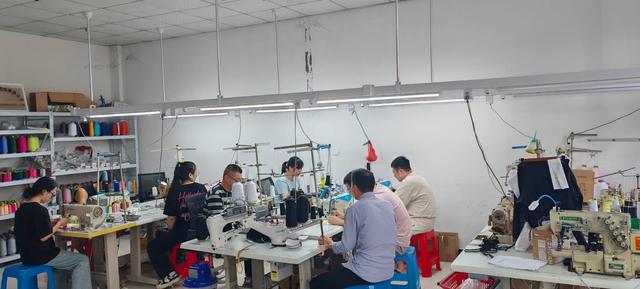
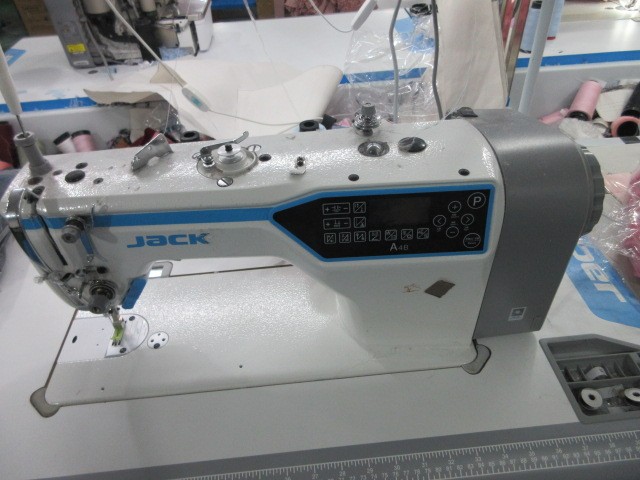
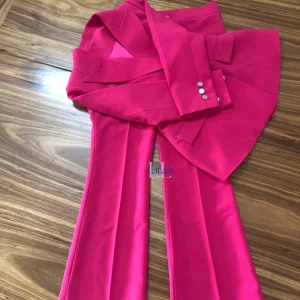
Guangzhou Dahab Fashion Co., Ltd. is a professional women's clothing manufacturer located in Guangzhou, Guangdong, China. Established in 2012, the company specializes in the design, development, and production of fashion apparel for international brands, wholesalers, retailers, boutique stores, and e-commerce businesses. With a modern manufacturing facility spanning over 16,000 square meters and a workforce of more than 260 skilled employees, Dahab Fashion provides comprehensive OEM and ODM garment solutions to customers worldwide.
The company offers a diverse range of women's clothing products, including casual wear, fashion dresses, blouses, tops, skirts, knitwear, outerwear, loungewear, business attire, and seasonal fashion collections. By combining market-driven design concepts with efficient production capabilities, Dahab Fashion helps customers create competitive apparel collections that meet changing consumer preferences across global markets.
Supported by an experienced design and product development team, the company continuously monitors international fashion trends, fabric innovations, and garment technologies. This enables Dahab Fashion to deliver stylish, functional, and commercially viable products while supporting customers with collection planning and product customization. Quality management is integrated throughout the manufacturing process. From fabric sourcing and pattern development to cutting, sewing, finishing, and final inspection, every stage is carefully controlled to ensure consistency, durability, and customer satisfaction. The company also provides flexible private-label services, including logo application, custom packaging, fabric selection, and branding support.
With products exported to North America, Europe, the Middle East, Australia, and other international regions, Guangzhou Dahab Fashion Co., Ltd. has established long-term partnerships with clients seeking reliable apparel manufacturing solutions. The company remains committed to innovation, quality, and professional service as a trusted women's clothing manufacturer providing fashion apparel, casual wear, and OEM ODM garment solutions worldwide.
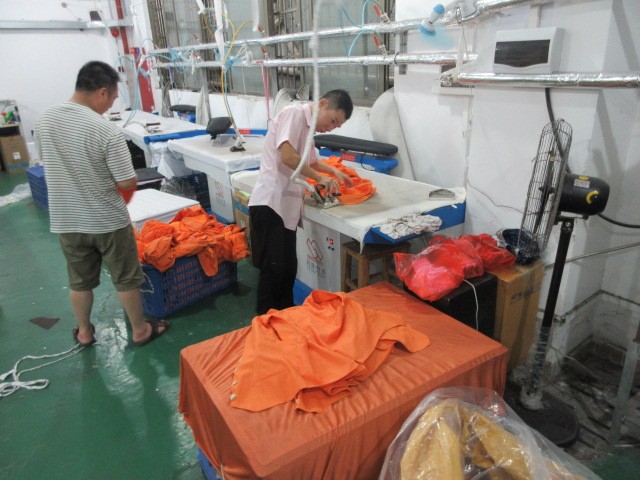
Women's resort wear is defined by its environments. Sourcing managers align collections with target consumption environments to optimize search relevance and satisfy buyers' needs. Core product categories map directly to key market demographics:
Primary Textiles: Premium linen, lightweight organic cotton, silk-linen blends.
Key Design Details: Structured silhouettes, tailored linen trousers, kaftans, and relaxed button-down shirts designed to handle high humidity and marine breezes.
Primary Textiles: Chiffon, silk georgette, Modal, Tencel.
Key Design Details: Dynamic sublimation-printed maxi dresses, semi-sheer cover-ups, and adjustable waist wraps that offer breathability under direct sunlight.
Primary Textiles: Bamboo jersey, silk knits, premium rib-knit blends.
Key Design Details: Elegant matching sets, flowy palazzo pants, and lightweight cardigans suitable for transitioning from poolside lounging to evening dinners.
To secure a reliable supply chain, global brands must implement standardized quality control checklists at their target manufacturing facilities. Standardize your operations by tracking these critical benchmarks:
Colorfastness to Light, Salt Water, and Chlorine: Resort wear is continuously exposed to sun and water. Ensure fabrics achieve a colorfastness rating of Grade 4 or above under ISO 105-B02/E02/E03 testing standards.
Shrinkage Control: Loose-fitting materials like linen and knitwear must undergo pre-shrinking processes to keep dimensional changes under ±3% after industrial washing.
Formaldehyde and Chemical Content: Compliance with OEKO-TEX Standard 100 is non-negotiable. Free formaldehyde levels must remain below 75 mg/kg for direct-to-skin garments.
Seam Strength and Durability: Since resort garments feature lightweight, flowy, and loose silhouettes, seam slippage tests must be conducted to ensure durability under stress.


 Dahab Fashion