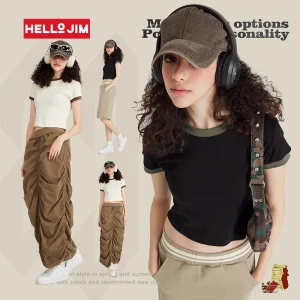
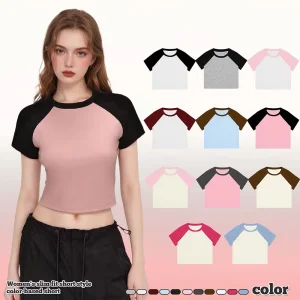
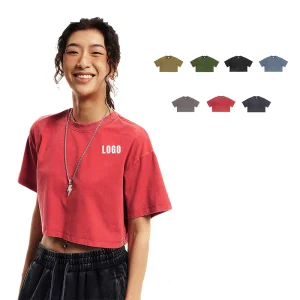
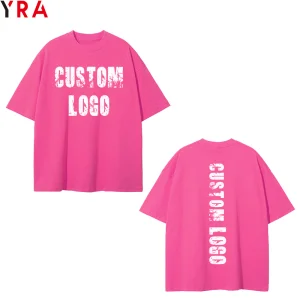
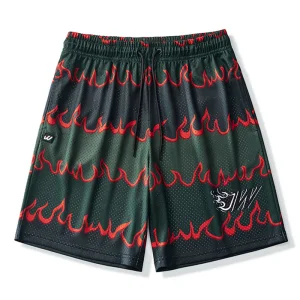
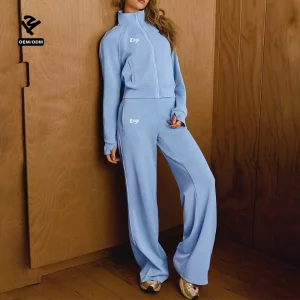
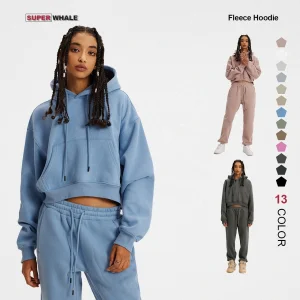
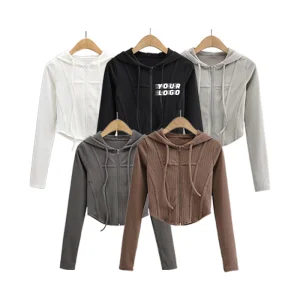
Curated designs optimized for the high-end boutique markets in Horie and Amemura
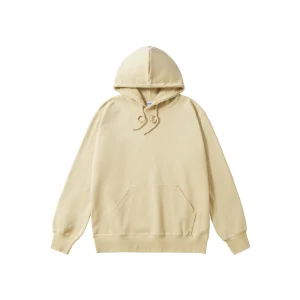
Osaka’s street fashion is distinct from Tokyo’s rigid, avant-garde minimalism. The Kansai metropolitan hub—anchored by historical youth-culture districts like Amerikamura (Ame-mura), Minami, and the refined design boutiques of Orange Street (Tachibana-dori) in Horie—thrives on an expressive, utilitarian, and deeply rebellious streetwear culture. While Tokyo focuses heavily on micro-niche subcultural movements, Osaka consumer preferences favor high-durability fabrics, bold patterns, heavy washes, and exaggerated drop-shoulder silhouettes.
From an industrial perspective, the Kansai region serves as a commercial powerhouse. Boutique brands, independent retailers, and large-scale apparel distributors operating in this sector demand swift product turns and exceptional build quality. This is dictated by the high-standard expectations of Japanese buyers, who closely scrutinize garment finishes, sewing straightness, and fabric hand-feel. For international suppliers, serving this demanding market requires an in-depth understanding of the local retail tempo: transition periods between the humid Japanese summer and the brisk, dry Kansai winter dictate precise release schedules for trans-seasonal garments.
Our market research reveals three decisive trends shaping the Japanese streetwear import demand:
As retail models evolve from traditional seasonal cycles to rapid-response models, the proximity and technological advancement of the manufacturing base become critical. Guangzhou’s garment production hub represents the gold standard of responsive fashion manufacturing. Integrating smart CAD/CAM drafting, digitized cutting systems, and real-time electronic inventory management allows manufacturers to achieve unparalleled supply chain resilience.
Enables ultra-precise panel cutting and layout optimization, reducing textile wastage and maintaining perfect pattern matching along side-seams and shoulders.
Supports dynamic volume scaling from small boutique batches of 100-200 pieces for test launches up to tens of thousands for major retail networks.
Garments undergo rigorous checks including shrinkage control (within 3%), colorfastness ratings under dry/wet crocking, and physical pull tests on metal hardware.
By leveraging these systems, factories can easily implement JIS (Japanese Industrial Standards) compliant Quality Control workflows. This includes needle detection screening, independent third-party inspection audits prior to export, and structured container packing protocols to prevent mold and moisture accumulation during oceanic transit to the Port of Osaka.
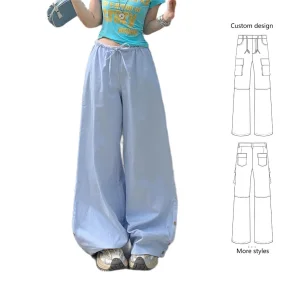
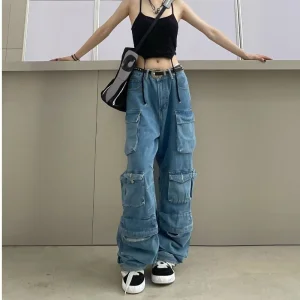
Versatile wardrobe staples engineered with precision stitching and high-quality materials
For fashion buyers operating in the Osaka market, managing an international supply chain involves navigating shipping routes, customs duties, and linguistic barriers. Effective communication remains the foundation of successful manufacturing partnerships. Leading manufacturers address this by employing dedicated English- and Japanese-speaking account managers who bridge the communication gap between designers and production lines.
Logistics planning is also critical to success. From South China to Osaka, shipping routes are highly optimized. Air freight from Guangzhou Baiyun International Airport (CAN) to Kansai International Airport (KIX) takes just 1 to 3 days, making it ideal for high-priority or capsule collections. For bulk orders, ocean freight from the Port of Guangzhou to the Port of Osaka offers a cost-effective solution with transit times ranging from 5 to 7 days. By maintaining close partnerships with tier-1 freight forwarders, suppliers can ensure smooth customs clearance and minimize delays at destination ports.
Finally, understanding tariff structures and trade documentation is essential. Providing precise certificates of origin, detailed commercial invoices, and accurate material compositions helps buyers secure favorable tariff rates and ensure compliance with Japanese customs regulations. This comprehensive approach to logistics and documentation allows brand owners to focus on design and marketing, confident in their supply chain's efficiency.
Guangzhou Dahab Fashion Co., Ltd. is a professional women's clothing manufacturer located in Guangzhou, Guangdong, China. Established in 2012, the company specializes in the design, development, and production of fashion apparel for international brands, wholesalers, retailers, boutique stores, and e-commerce businesses. With a modern manufacturing facility spanning over 16,000 square meters and a workforce of more than 260 skilled employees, Dahab Fashion provides comprehensive OEM and ODM garment solutions to customers worldwide.
The company offers a diverse range of women's clothing products, including casual wear, fashion dresses, blouses, tops, skirts, knitwear, outerwear, loungewear, business attire, and seasonal fashion collections. By combining market-driven design concepts with efficient production capabilities, Dahab Fashion helps customers create competitive apparel collections that meet changing consumer preferences across global markets.
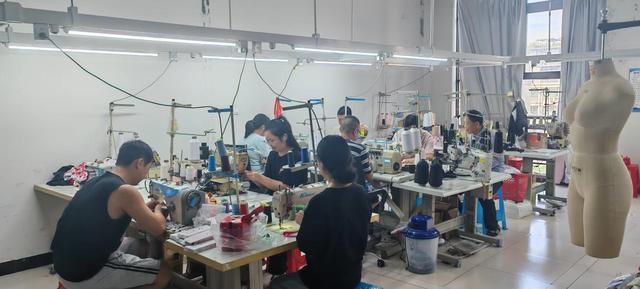
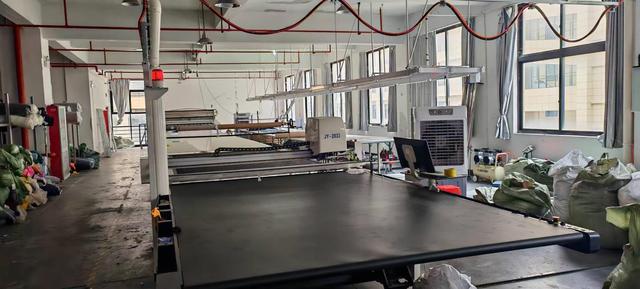
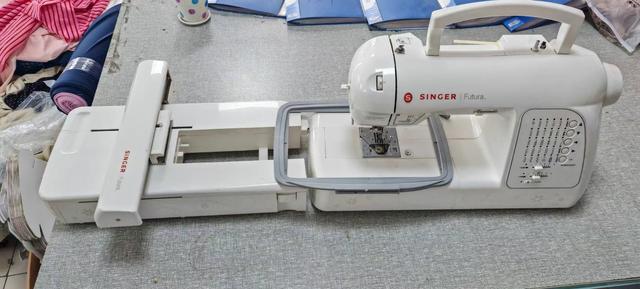
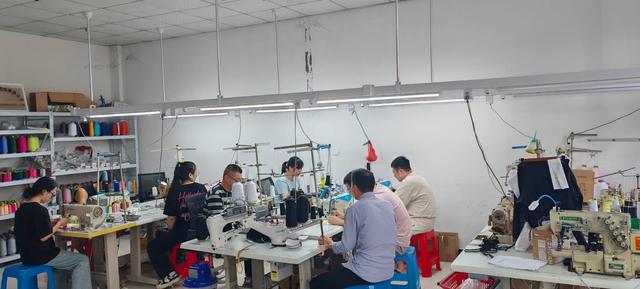
Supported by an experienced design and product development team, the company continuously monitors international fashion trends, fabric innovations, and garment technologies. This enables Dahab Fashion to deliver stylish, functional, and commercially viable products while supporting customers with collection planning and product customization.
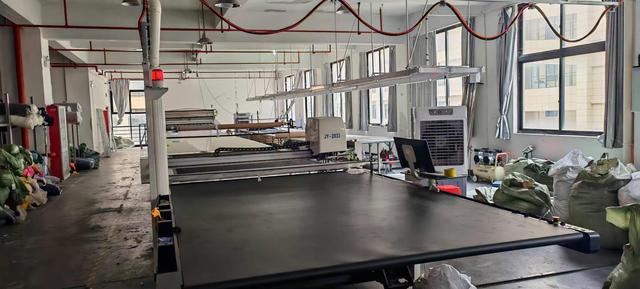
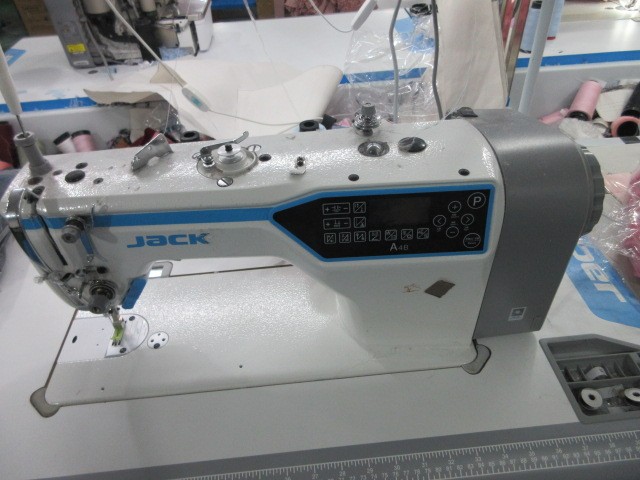
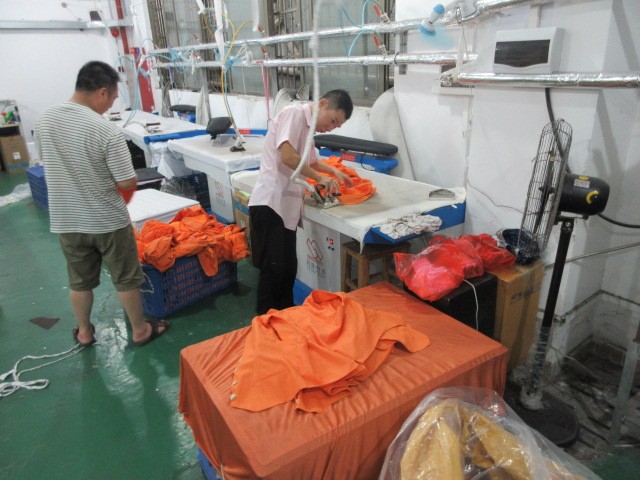
Quality management is integrated throughout the manufacturing process. From fabric sourcing and pattern development to cutting, sewing, finishing, and final inspection, every stage is carefully controlled to ensure consistency, durability, and customer satisfaction. The company also provides flexible private-label services, including logo application, custom packaging, fabric selection, and branding support.
With products exported to North America, Europe, the Middle East, Australia, and other international regions, Guangzhou Dahab Fashion Co., Ltd. has established long-term partnerships with clients seeking reliable apparel manufacturing solutions. The company remains committed to innovation, quality, and professional service as a trusted women's clothing manufacturer providing fashion apparel, casual wear, and OEM ODM garment solutions worldwide.
Expert insights regarding our supply chain, logistics, and quality assurance processes for Japan
Our standard MOQ starts at 100-200 pieces per style/colorway, which is highly suited for boutique labels in Osaka. This allows brands to test new designs in localized markets such as Amerikamura without committing to excessive stock volumes. MOQs are negotiable depending on fabric availability and design complexity.
We offer multiple shipping channels: Air freight to Kansai International Airport (KIX) takes approximately 1 to 3 days, ideal for high-speed restocks. Ocean freight from Guangzhou Port to Osaka Port takes around 5 to 7 days, offering a cost-effective, bulk-delivery option for seasonal collections.
Yes, we implement rigorous quality management throughout production. We follow standard AQL 2.5/4.0 benchmarks, offer needle detection checks, and work alongside third-party inspection firms (e.g., QTEC, Nissenken) to verify fiber content, colorfastness, and dimensional stability before packaging.
Absolutely. We specialize in custom pigment dyeing, acid washes, vintage stone-washing, and enzyme washing to replicate the classic vintage streetwear look. Clients can submit digital Pantone TPX/TCX codes or physical fabric swatches for exact color formulation.
We offer end-to-end branding solutions, including custom satin or cotton woven main labels, high-density print heat transfer neck labels, customized cardboard hangtags, and branded, eco-friendly zipper bags. All branding details are developed in alignment with your brand guidelines.
Sample development fees are calculated based on pattern complexity, fabric sourcing, and embellishment techniques (such as printing or embroidery). Once a bulk order meets our minimum volume requirements, development fees are fully credited toward the production invoice.
Connect directly with our engineering and design teams to request fabric swatches, custom digital mockups, or comprehensive price lists.
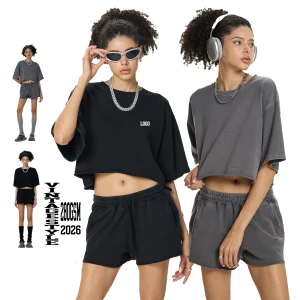
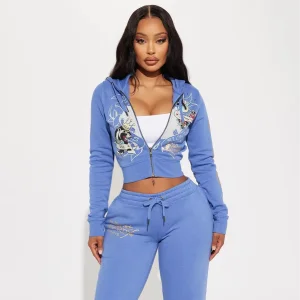
Send Inquiry NowPerformance construction, bespoke dye processes, and premium street aesthetics
 Dahab Fashion