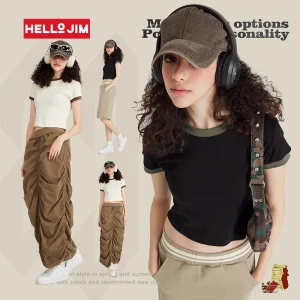
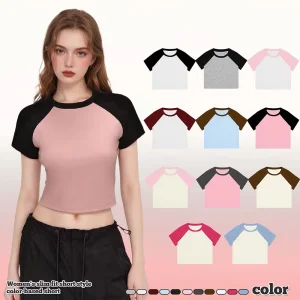
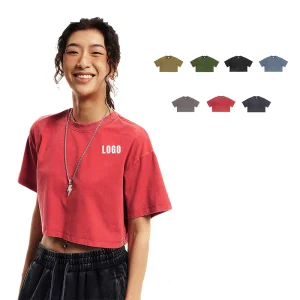
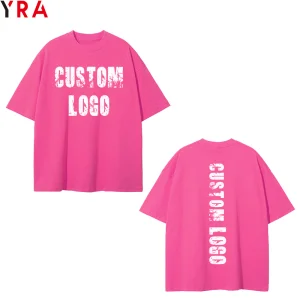
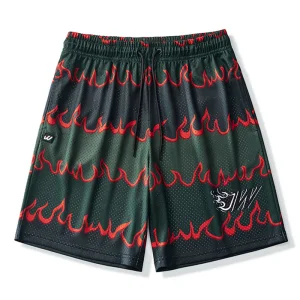
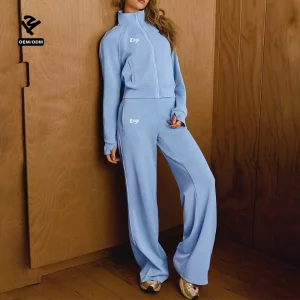
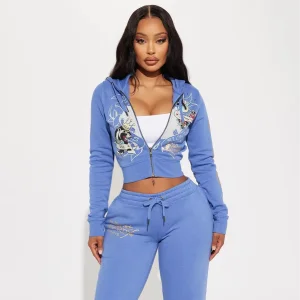
Explore our top-selling custom silhouettes engineered for the urban markets of Montevideo and Punta del Este.
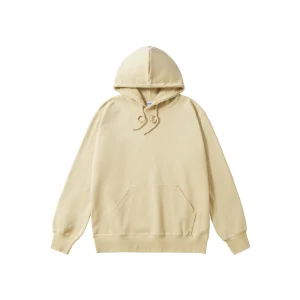

Deep dive analysis of the emerging urban apparel demand dynamics in South America's most stable economy.
The Latin American streetwear segment is undergoing a massive structural shift, and Uruguay stands out as a highly unique, premium market. While geographically smaller than its neighbors Brazil and Argentina, Uruguay boasts the highest GDP per capita in South America, coupled with exceptional digital connectivity and a robust middle-class consumer demographic. Historically reliant on traditional apparel styles, the young adult demographic in major hubs like Montevideo, Ciudad de la Costa, and Maldonado is driving a surge in demand for premium, durable, and highly expressive streetwear.
This demographic, primarily composed of Gen Z and Millennials, is heavily influenced by global digital culture, international trap music, skate culture, and functional tech wear. Consequently, terms like "ropa urbana" (urban wear) and "estilo aesthetic" have shifted from niche subculture vocabularies to mainstream commercial search terms. Brand owners and fashion retailers in Montevideo require a supply chain that doesn't just offer standard mass production but provides customized, high-quality finishes such as vintage wash processes, specific crop cut patterns, and heavyweight fleece structures capable of enduring the humid, windy coastal microclimate of the region.
Furthermore, the Uruguayan retail landscape is defined by a mix of shopping mall boutiques (e.g., Punta Carretas Shopping, Montevideo Shopping) and highly active independent brands driving direct-to-consumer (DTC) sales via Instagram and localized e-commerce platforms like Mercado Libre. This creates a dual demand for suppliers: on one hand, high-volume consistency for departmental and multi-brand retailers; on the other, fast-response, flexible-MOQ lines for emerging boutique labels looking to test local trend capsules without risking overstocked capital.
Deciphering localized user queries, semantic keywords, and B2B sourcing intents.
For B2B buyers, distributors, and private labels operating in South America, understanding local search behavior is essential to capturing market demand. When local brands search for suppliers, they look beyond simple transactional queries. The intent is heavily skewed toward finding partners that offer reliable import routing, custom branding options (OEM/ODM), and certified textile quality.
A semantic analysis of search trends in the region reveals key consumer and commercial search clusters:
Queries focused on fit and fabric quality (e.g., "buzos oversized 100 algodon", "remeras crop wash por mayor") indicating demand for specialized garment finishing techniques.
Local brands seeking manufacturing partners query "fabricantes de ropa urbana en China", "importadores textiles Uruguay", showing a clear trajectory from regional to global factory sourcing.
Understanding regulatory frameworks is crucial. Searches such as "etiquetado LATU vestimenta", "arancel importacion textil Uruguay" reflect the focus on seamless logistics clearance.
To capture this audience, suppliers must demonstrate structured expertise in customization. In the streetwear segment, standard templates fail. Custom wash cycles (acid wash, stone wash), pigment dyeing, drop shoulder sizing charts, and specific seam reinforcements (double needle topstitching) are features that position a supplier as a market authority capable of serving high-tier Uruguayan brands.
Engineered with high-grade breathable cotton, optimized for the Uruguayan coastal climate.
Introducing your premier production partner with institutional capacity and advanced customization capabilities.
Sourcing directly from global manufacturing clusters provides Uruguayan apparel brands with an irreplaceable competitive edge. Guangzhou Dahab Fashion Co., Ltd. is a professional, high-capacity women's clothing manufacturer situated in Guangzhou, Guangdong, China. Established in 2012, Dahab Fashion has developed a decade-long reputation as an industry-leading OEM and ODM garment solutions partner for international brands, wholesale distributors, retailers, and boutique e-commerce platforms worldwide.
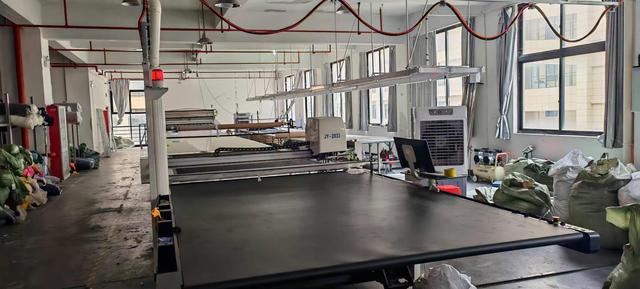
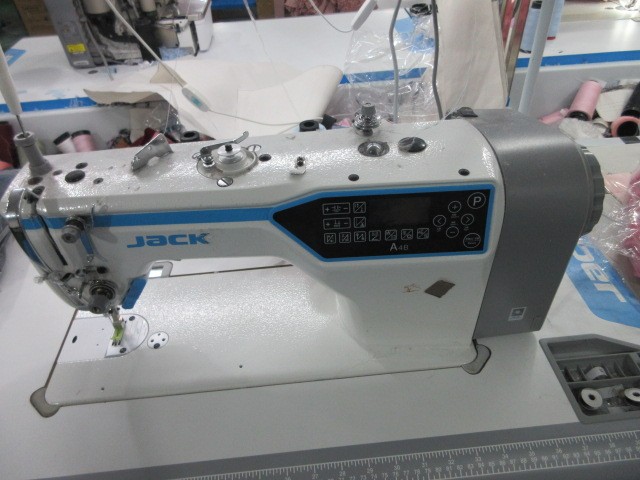
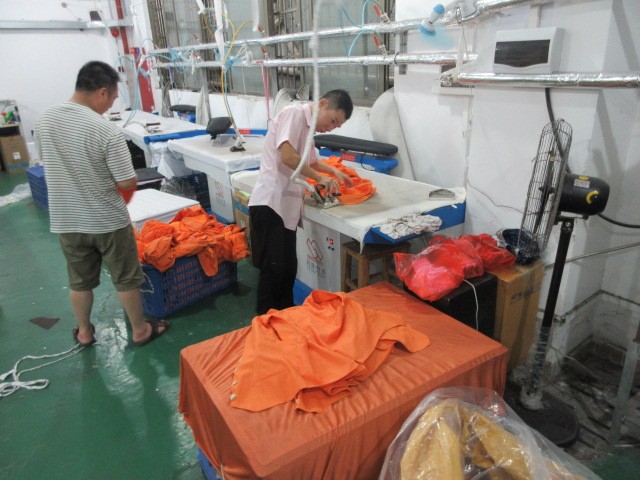
With an advanced manufacturing facility spanning over 16,000 square meters and a dedicated team of more than 260 skilled operators, the company manages the entire production cycle in-house. Our production capacity encompasses modern fabric cutting systems, state-of-the-art sewing assembly lines, post-wash treatment machinery, and rigorous quality inspection checkpoints.
Guangzhou Dahab Fashion provides comprehensive private-label services, including custom branding integration, personalized labels and hangtags, specialized eco-friendly packaging, and custom-ordered fabric weights. The design and product development team closely monitors global street fashion indices to create seasonal capsules, including loose-fit hoodies, oversized coordinate sets, crop tees, and multi-pocket cargo pants. This aligns perfectly with the stylistic shifts occurring within Uruguay’s metropolitan retail centers.
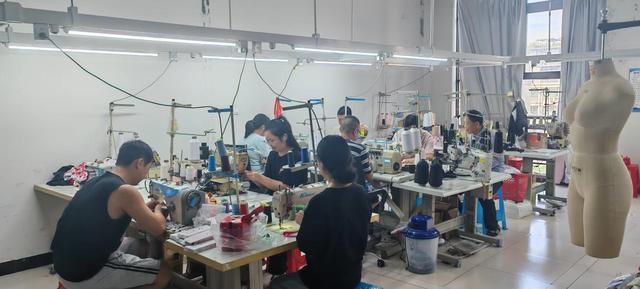
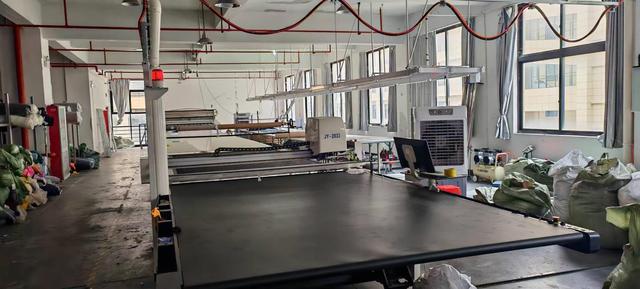
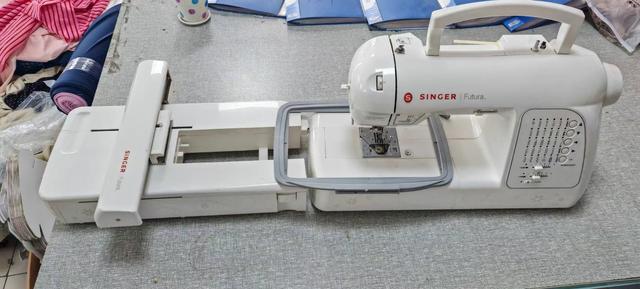
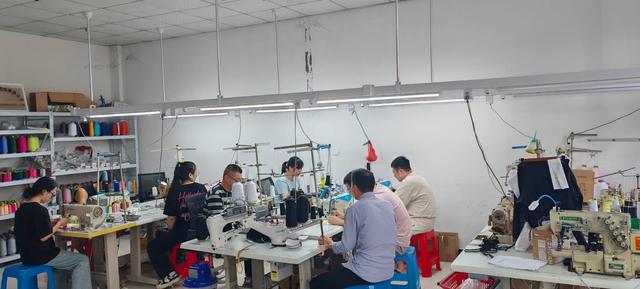
By leveraging Dahab Fashion's localized logistics pathways and strict quality management, Uruguayan importers can significantly bypass the high costs of regional middlemen, securing direct-from-factory rates that preserve healthy retail margins in Montevideo.
Essential customs navigation, LATU standards, and Mercosur regulatory framework guidelines.
Importing commercial garments into Uruguay requires structured regulatory navigation. Unlike simpler regional markets, Uruguay enforces strict consumer protection guidelines regarding textile composition, country of origin disclosures, and importer registry verification. Working with an experienced manufacturer like Dahab Fashion ensures all pre-shipment documentation is aligned with local customs requirements.
Every commercial batch of textile clothing imported into Uruguay must comply with the mandatory registration and analysis regulations managed by LATU. To pass inspection seamlessly, garments must bear permanent, legible labels written in Spanish indicating the fabric composition (e.g., "100% Algodón" or "80% Algodón, 20% Poliéster"), country of origin ("Hecho en China"), cleaning care symbols, and the importer's local tax identification number (RUT). Dahab Fashion provides custom label printing and sewing services during the production phase to satisfy this prerequisite before packaging.
Because Uruguay is a core member of Mercosur, trade from outside the economic bloc is subject to the Common External Tariff (AEC - Arancel Externo Común), which typically hovers between 20% to 35% for finished apparel products. Additionally, importers must account for local taxes including VAT (IVA - Impuesto al Valor Agregado) at 22%, the consular fee (Tasa Consular), and customized broker clearing fees at the Port of Montevideo or Carrasco International Airport. Dahab Fashion supports buyers by maximizing box packaging efficiency, compressing shipping volumes to reduce spatial freight rates, and providing exact commercial invoices, packing lists, and Certificates of Origin to prevent custom clearance delays.
Depending on order urgency, two primary routes are utilized by our Uruguayan clients. For seasonal catalog releases, ocean freight from the Port of Guangzhou or Shenzhen to the Port of Montevideo is the most cost-effective path, with a transit time of approximately 35 to 45 days. For quick replenishment of trending items, air freight routed directly to Carrasco International Airport (MVD) reduces transit times to 7 to 10 business days, ensuring brands remain responsive to sudden social-media-driven demand spikes.
Operational transparency to align supply chains with global retail demands.
B2B apparel procurement requires strict operational consistency. International fashion buyers look for structural benchmarks that secure supply line stability. Dahab Fashion operates under global export standards, ensuring every batch meets the performance criteria demanded by premium streetwear brands. Our quality assurance workflow involves four distinct phases: fabric pre-shrinkage testing, digital sample verification, inline quality audits during stitching, and post-production compression tests.
Our standard procurement pathways are optimized to support both established retail chains and fast-growing private labels:
We translate raw ideas, Tech Packs, or physical references into physical samples in 7 to 10 days, allowing fit tests before mass-production approval.
Our scalable manufacturing processes support low-risk testing runs for boutique capsules, scale-up options, and volume-discount mass runs.
Every piece undergoes dual inspections before boxing, ensuring seamless compliance with both LATU and international garment specifications.
Whether you require deep customization like custom embossed metal zipper pulls, puff-printed graphics, high-density embroidery, or specialty pigment-dyeing washes, our raw material sourcing network across the Pearl River Delta guarantees access to cutting-edge fabric formulations and finishing chemistry.
Translating international runway movements into practical commercial street-style programs.
In preparation for upcoming fashion cycles, fashion buyers must target specific design elements that resonate locally. The modern Uruguayan consumer base displays clear aesthetic preferences that distinguish them from other global zones:
By implementing these elements at the factory level, Dahab Fashion helps buyers build cohesive collections that capture localized search trends and secure premium price points in retail storefronts across the region.
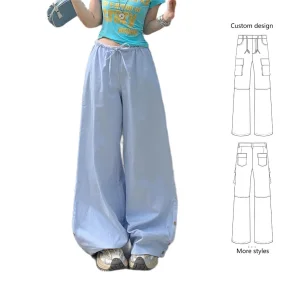
Bulk order catalog featuring premium matching tracksuits, acid-washed essentials, cargo denim, and drop-shoulder hoodies.
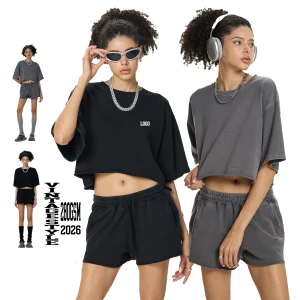

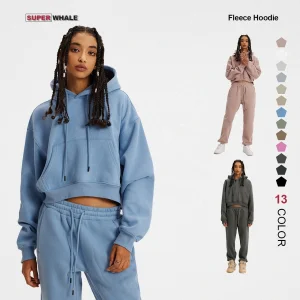
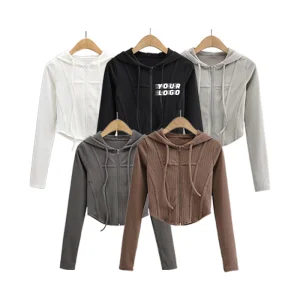

Crucial procurement insights and compliance details for apparel importers in the Uruguay market.
We provide comprehensive labeling customization. Every garment shipped to Uruguay can be fitted with permanent, heat-sealed, or woven labels containing Spanish-translated material breakdowns (e.g., "100% Algodón Peinado"), care instructions, origin details ("Hecho en China"), and your local corporate identifier (RUT). This mitigates custom holds at the Port of Montevideo.
Our standard production run MOQs depend heavily on the complexity of the customization. For items utilizing stock fabrics (such as our high-grade 100% cotton crop tops or blank pullover hoodies), the MOQ typically starts lower. For custom color-dyeing, specific fabric weight formulations, or custom print configurations (like acid-washed graphic finishes), the MOQ ranges between 100 to 300 units per style/color.
Prototyping and sample creation take 7 to 10 days. Once the pre-production sample is approved and the deposit is secured, bulk manufacturing requires approximately 20 to 30 days depending on order size. Shipping via ocean freight to the Port of Montevideo takes roughly 35 to 45 days, while express air freight directly to Carrasco Airport takes 7 to 10 business days.
Yes, our design department continuously tracks international trends, new streetwear materials, and production technologies. We provide comprehensive ODM services, meaning you can choose from our existing patterns, tweak silhouettes (e.g., shortening a crop length, adding cargo pockets), and apply your custom artwork, logos, and accessories.
Our standard payment terms are a 30% deposit upon sample approval and order confirmation, with the remaining 70% balance due upon production completion, verification, and prior to shipping. We support standard international payment channels including Telegraphic Transfer (T/T), Letters of Credit (L/C), and secure digital payment gateways.
 Dahab Fashion