Direct supply options engineered for rapid market integration, combining modern designs with high-tech fabrics.
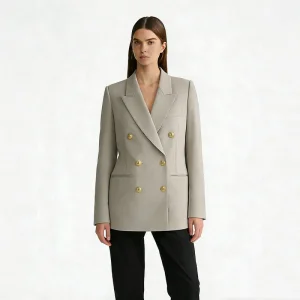


An in-depth analysis of Northern Vietnam's apparel manufacturing sector, logistics networks, and trade advantages.
Hanoi, the administrative and industrial center of Northern Vietnam, has transformed into one of the world's most competitive hubs for high-end fashion production, specifically targeting the resort wear, lightweight outerwear, and premium knitwear categories. Supported by deep-water ports in neighboring Hai Phong and a highly integrated domestic highway network, Hanoi-based manufacturers provide fashion brands with unparalleled logistical speed. This geographic positioning enables agile turnarounds, minimizing supply chain latency from raw material processing to final destination ports in North America, Europe, and Asia-Pacific markets.
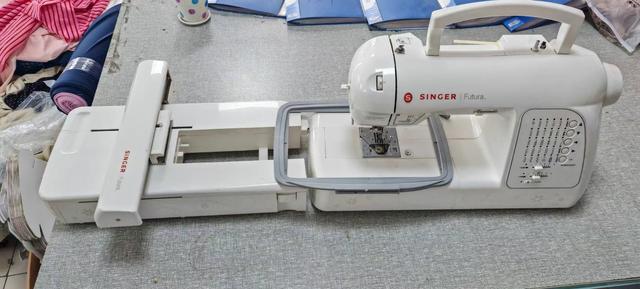
Unlike southern regions which traditionally focus on mass-produced basic apparel, Hanoi’s garment factories specialize in mid-to-high-tier complex manufacturing. The regional ecosystem boasts specialized processing capabilities, including advanced computerized embroidery, manual hand-weaving, and complex fabric dying techniques. These attributes make it the premier destination for resort-oriented collections, where delicate materials such as organic linen, lyocell, and high-density satin are standard requirements.
"The shift toward multi-country sourcing strategy (China + 1) has positioned Hanoi as a crucial node in modern fashion logistics. The regional infrastructure handles everything from low-MOQ premium boutique collections to large-scale retail distribution."
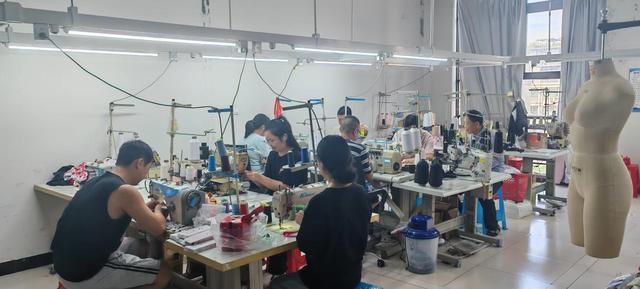
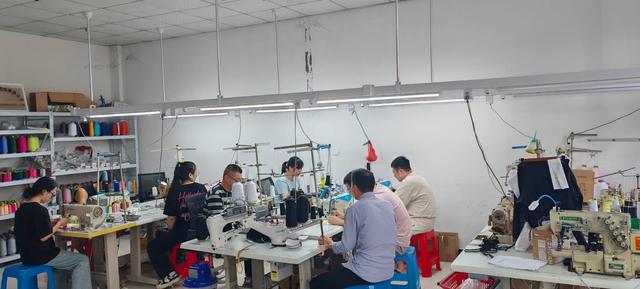
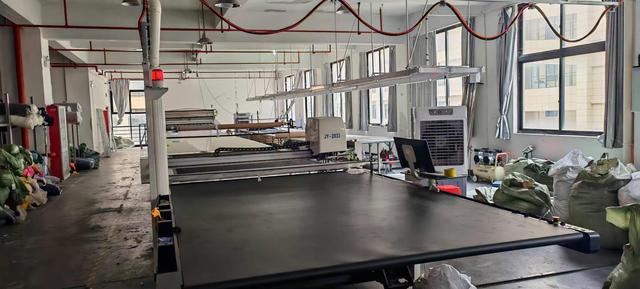
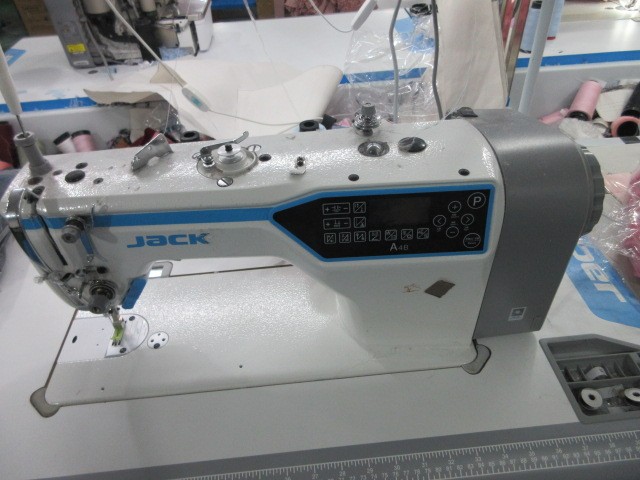
At the core of this industrial landscape is the strategic partnership between Guangzhou design capabilities and Vietnam's processing efficiencies. Guangzhou Dahab Fashion Co., Ltd., established in 2012, exemplifies this modern cross-border manufacturing model. Boasting a massive 16,000-square-meter facility and a workforce of over 260 skilled operators, Dahab Fashion integrates international fashion trends and fabric innovations directly into production streams.
By maintaining strict oversight from pattern engineering and sample development through final processing, Dahab ensures that materials sourced for the Hanoi production pipelines are of the highest standard. The synergy offers fashion brands the best of both worlds: Chinese technical expertise in complex material sourcing and pattern drafting, paired with Hanoi’s structural advantages, favorable tariff policies (such as CPTPP and EVFTA), and highly skilled labor force.
How modern consumer preferences toward sustainable leisure lifestyles are driving next-generation garment technology.
Consumers demand traceability. Sourcing fabrics like Lyocell and Organic Viscose ensures minimal environmental footprint, reducing chemical discharge while maintaining soft, lightweight profiles perfect for summer vacations.
Resort-bound apparel must withstand humid climates. Incorporating moisture-wicking weaves, open-cell knit structures, and lightweight blends gives apparel functional performance and comfort in resort settings.
By producing in Hanoi, brands can leverage regional logistics hubs to quickly distribute stocks across APAC and European channels, mitigating geopolitical risks and reducing reliance on singular production markets.
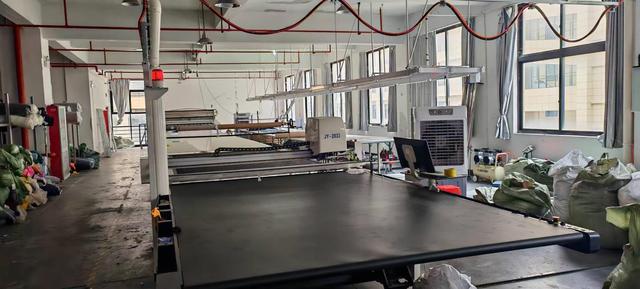
The modern resort wear industry is no longer just about sewing; it is about precision engineering. At Dahab Fashion and our partnering manufacturing sites in Hanoi, we employ advanced CAD/CAM systems for pattern layout optimization. This reduces textile waste by up to 18%, a saving directly passed on to our clients.
Looking forward, our technical roadmap targets AI-driven fabric defect detection and automated nesting algorithms. By utilizing computer vision at the cutting stage, we ensure every batch of linen, lyocell, or custom viscose matches specifications exactly, avoiding misalignments on delicate patterns.
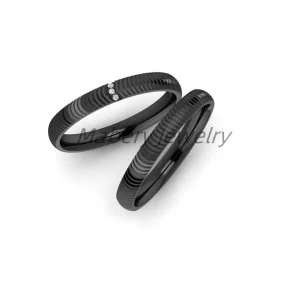
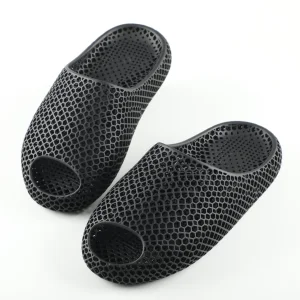
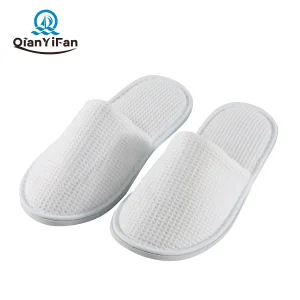
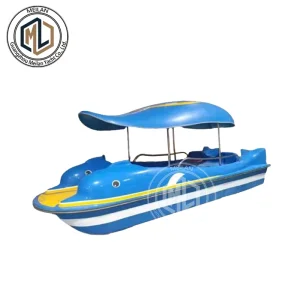
Expand your product line with matching accessories, lifestyle footwear, and resort amenities manufactured to the highest standards.
Securing your brand value through institutional grade manufacturing compliance and agile distribution.
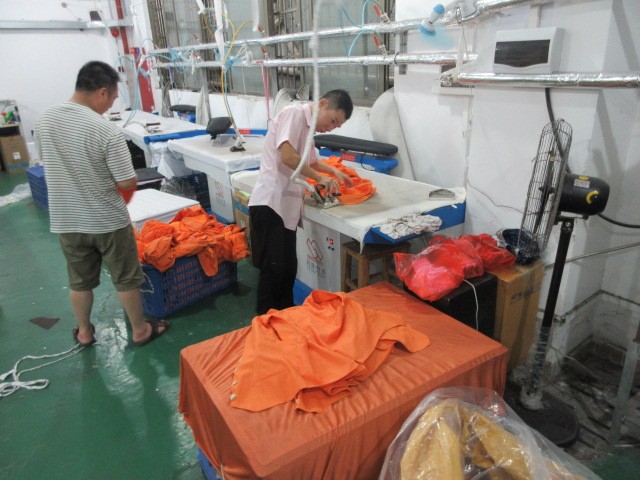
At every tier of the manufacturing process, quality management is integrated seamlessly. From raw yarn inspections and physical stress-testing of fibers to inline inspections, final AQL audits, and precision packing, Dahab Fashion controls every variable. Our Hanoi production systems adhere strictly to international standards, mitigating risks associated with mislabeling, seam slippage, or color bleeding.
We provide flexible private-label customization options. This includes high-resolution digital print designs, customized tags, heat-sealed care labels, and biodegradable poly-bagging systems. Our goal is to ensure your apparel reaches final customers in retail-ready condition, maintaining high perceived value.
Logistical efficiency is the cornerstone of modern retail. Working with Dahab Fashion allows brands to route products across critical sea lines easily. Hanoi’s nearby deepwater port in Hai Phong provides reliable container departures, enabling global apparel brands to streamline shipping to key distribution hubs in North America and Western Europe.
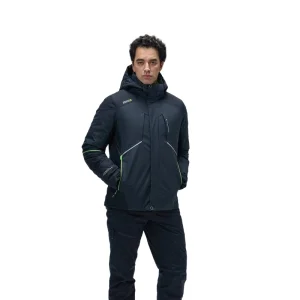
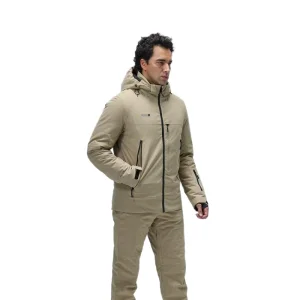
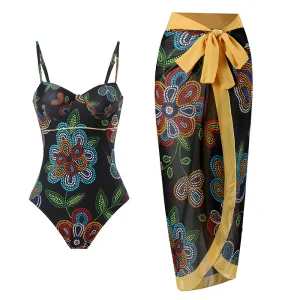
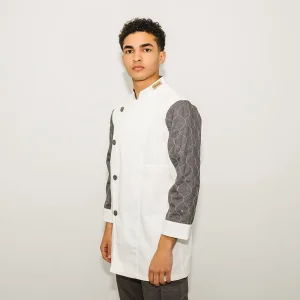
Explore our complete manufacturing capabilities, spanning functional outerwear, hotel textiles, resort furniture, and high-performance resort apparel.

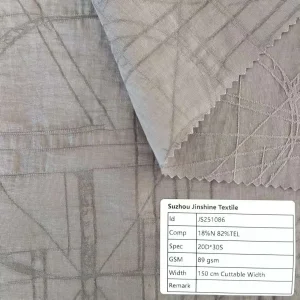
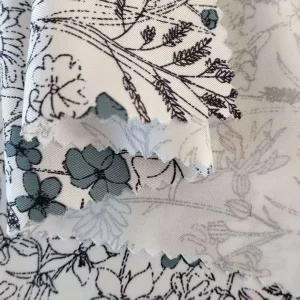
Get answers to critical procurement questions regarding production in Hanoi and partner supply chains.
 Dahab Fashion