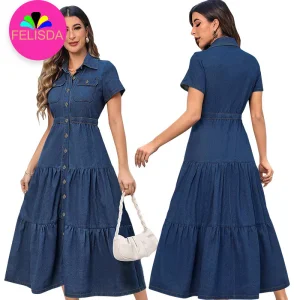
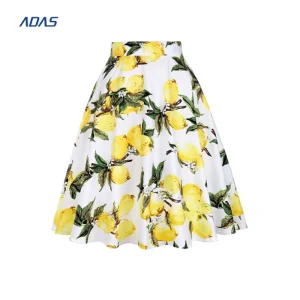
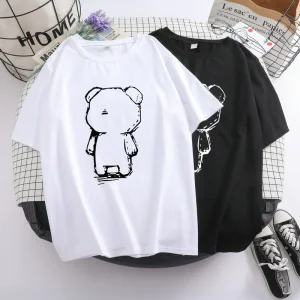
Engineered with modern stretch-recovery fabrics and silhouette-enhancing grading technologies.
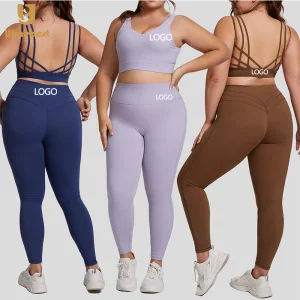
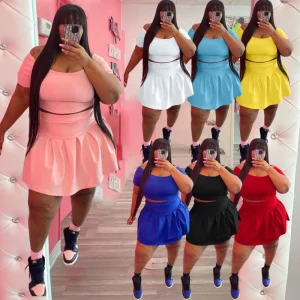
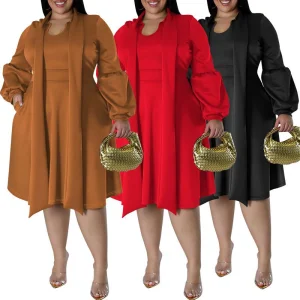
Historically, the South Korean apparel market was defined by highly restrictive sizing standards, with the ubiquitous "Free Size" (often equivalent to US sizes 0 to 4) dominating local retail spaces. However, the confluence of global body-positivity movements, localized consumer activism, and the rise of digital-native commerce in districts like Dongdaemun has sparked a structural transformation. Today, demand for plus-size clothing in Korea is growing at an unprecedented rate, with consumers seeking the clean, sophisticated silhouettes of K-fashion adapted for diverse body shapes.
For international buyers and sourcing managers, navigating the Korean plus-size supply chain requires a dual understanding of design aesthetics and production limits. While Korea excels at hyper-fast trend cycles and fabric innovation (such as functional synthetic blends and memory-shape knits), local domestic production costs remain extremely high. As a result, the most commercially successful brands leverage a hybrid supply chain model: combining Korean fashion design expertise and trend monitoring with agile Smart Factory 4.0 infrastructure based in China to ensure scalability, premium finish, and price competitiveness.
True plus-size apparel manufacturing is not a simple linear scaling of standard size blocks. It is a highly scientific discipline requiring precise structural adjustments to ensure fit, mobility, and elegance. Standard grading algorithms fail to account for non-linear changes in bust displacement, upper-arm girth, torso length, and thigh-to-hip ratios characteristic of plus-size figures. Our engineering process addresses these requirements directly:
Utilizing high-fidelity 3D garment visualization software, we map fabrics onto real-world plus-size avatars (ranging from XL to 5XL). This identifies tension zones and fabric stress points before physical patterns are cut, cutting prototyping cycles by 60%.
Instead of uniform scaling, we implement drop-value calculations for key structural seams. Adjustments are tailored to armholes, shoulder drops, and waist-to-hip transitions, ensuring larger sizes drape naturally and provide maximum movement.
We source fabrics with high-percentage elastane, high-recovery weaves, and premium yarns (such as our 305g heavyweight combed cotton) that offer natural structure, breathable comfort, and excellent shape retention over time.
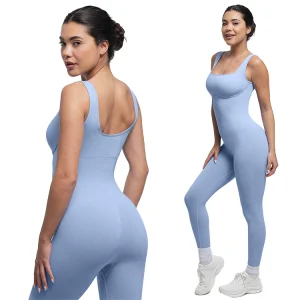
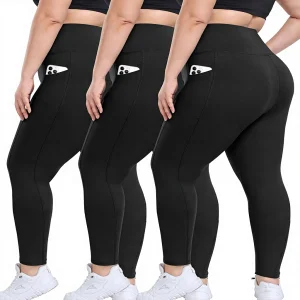
Advanced activewear products (e.g., our high-waist seamless yoga jumpsuits or compression leggings) utilize specialized flatlock stitching and interlocking knit patterns. This ensures seams do not chafe or break under high tension. For fashion items like collared puff-sleeve dresses or pleated skirt sets, we integrate reinforced interior lining and stretch-stabilizer tapes to retain shape across all wear patterns.
As the premium brand name behind international apparel production, Guangzhou Dahab Fashion Co., Ltd. (established in 2012) offers a highly resilient and logistically optimized supply chain model. While based in Guangzhou—the undisputed global capital of garment manufacturing and textile sourcing—we work in lockstep with Korean apparel designers and global distributors selling directly into the South Korean, Japanese, and Western markets.
This geographic position yields major advantages:
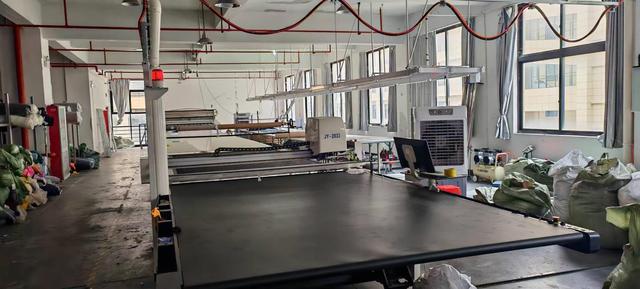
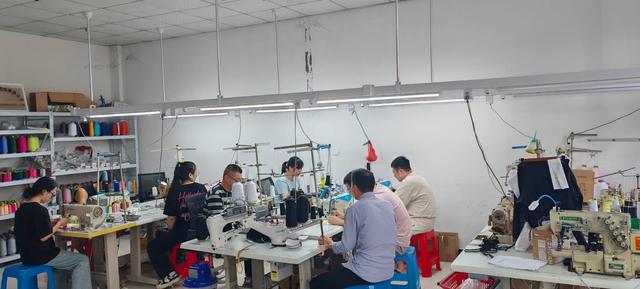
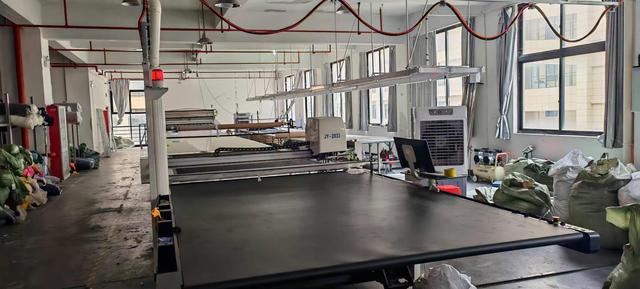
16,000+ square meters of advanced manufacturing facilities, running automated cutting lines and strict quality assurance protocols.
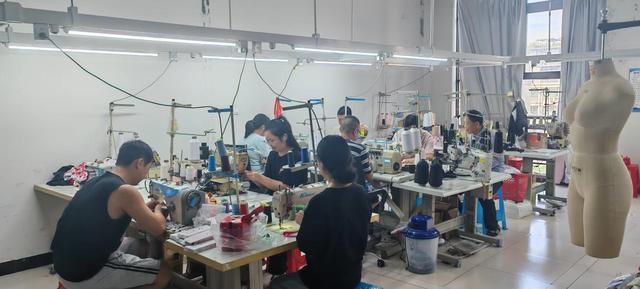
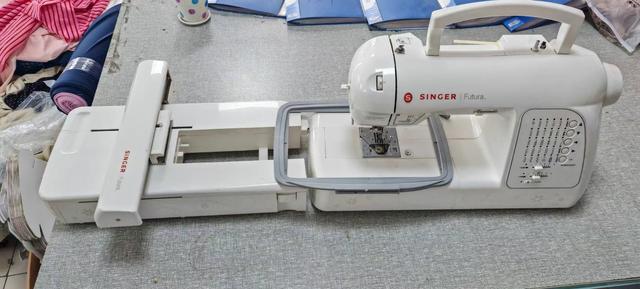
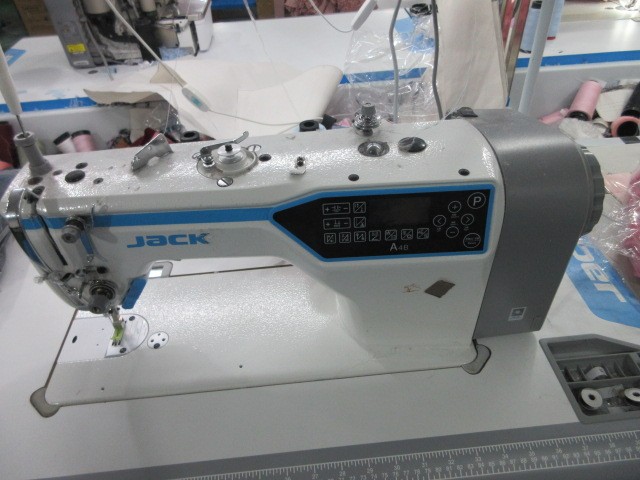
At Guangzhou Dahab Fashion Co., Ltd., quality control is embedded within our production culture. Our facilities operate computer-controlled cutting tables that ensure precision cuts down to the millimeter, minimizing fabric waste and pattern distortion. Over 260 skilled workers manage specialized assembly stations for sewing, pressing, and finishing, allowing us to output up to 300,000 units per month while maintaining AQL 2.5 defect tolerances.
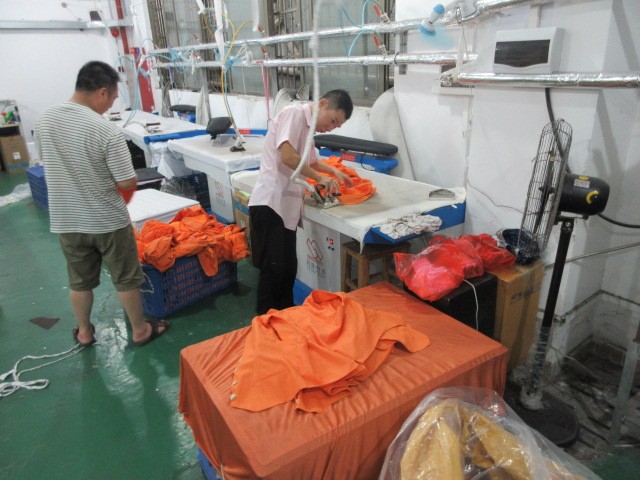
Entering international fashion markets, particularly South Korea with its stringent consumer safety standards, requires strict compliance with local regulations. Dahab Fashion ensures all manufactured products are fully certifiable to build trust and guarantee consumer safety:
Explore our diverse OEM/ODM capabilities, keeping all original product structures and URLs fully intact.
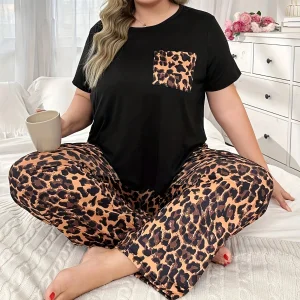
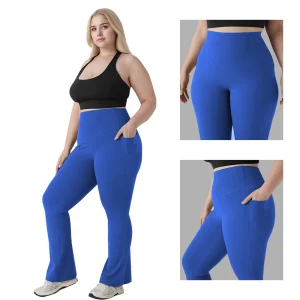
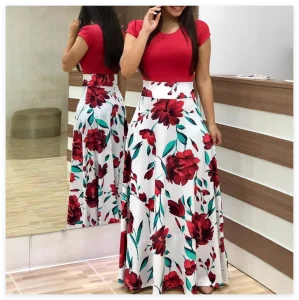
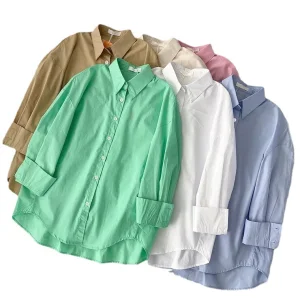
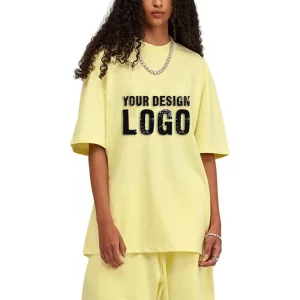
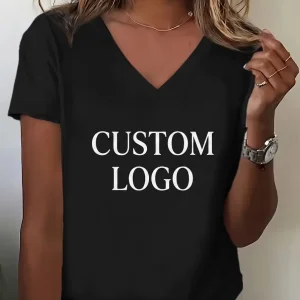
Essential insights for global brands sourcing plus-size apparel in the Korean and global markets.
Get in touch with our design and supply chain specialists today. Let us help you engineer custom silhouettes and build a resilient supply chain.
Send Inquiry Now Dahab Fashion