High-performance engineering meets contemporary design, optimized specifically for South Asian body morphology and consumer demands.
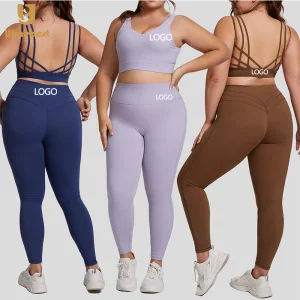



Decoding the growth drivers, sizing deficits, and socio-demographic changes fueling the plus-size apparel market in India.
The Indian retail landscape is undergoing a profound paradigm shift. Historically dominated by traditional custom-tailored silhouettes, the modern Indian consumer is rapidly transitioning toward ready-to-wear Western and Western-fusion apparel. Within this transformation, the Plus Size Apparel Market has emerged as one of the fastest-growing sectors. Valued at over USD 6.5 billion in recent estimates, the Indian plus-size market is projected to expand at a compound annual growth rate (CAGR) exceeding 12.5% through 2030, outperforming many standard-sized fashion categories.
For decades, standard sizing charts (typically XS to XL) in Indian retail have marginalized a vast demographic. Demographically, over 60% of the urban Indian female population falls into sizing categories above UK 14 (roughly equivalent to standard US 10 or XL in localized metrics). Yet, the availability of contemporary, high-quality, and structurally sound plus-size clothing remains highly constrained. This sizing deficit is not merely a quantitative shortage; it is a qualitative gap in structural engineering, textile adaptability, and aesthetic diversity.
Urbanization, rising disposable incomes in Tier-1 and Tier-2 Indian metropolitan clusters—such as Bengaluru, Mumbai, Delhi NCR, Hyderabad, and Pune—and the democratization of global fashion via social media have shifted the consumer mindset. Today’s plus-size consumer in India does not seek to cover up in shapeless, oversized garments; they demand body-contouring activewear, structured corporate attire, fashion-forward dresses, and high-quality loungewear. Consequently, B2B apparel brands, domestic e-commerce platforms, and direct-to-consumer (D2C) brands in India are actively seeking specialized, high-capacity global manufacturing partners to fulfill this demand.
Why standard Western or Eastern Asian sizing fails in India, and how specialized engineering solves the mismatch.
A primary failure mode for international exporters targeting the Indian plus-size market is the reliance on generic, linear size grading. Standard grading algorithms simply scale up length, bust, waist, and hips proportionally. However, anthropometric studies indicate that South Asian female body shapes display significant deviations from European, North American, or East Asian averages.
Typically, South Asian women present with a shorter torso, narrower shoulders, and a fuller midsection and hip region relative to their height. Standard Western garments graded to 3XL or 4XL often result in sleeve lengths that are too long, armholes that sag, and shoulder seams that droop, while simultaneously restricting movement around the waist and hips. To solve this, our design and pattern-making engineering departments utilize customized 3D virtual fitting models built specifically around localized Indian body measurements.
| Sizing Parameter | Standard Western Grading (US/EU) | Localized Indian Grading Adjustments | B2B Retail Benefit |
|---|---|---|---|
| Shoulder-to-Bust Ratio | Wide shoulder structure with lower bust point. | Narrower shoulder width, higher bust line adaptation. | Prevents gaping armholes and sagging shoulders. |
| Torso & Sleeve Length | Longer torso, extended arm length. | Proportionately shorter torso and optimized sleeve length. | Reduces bunching and excessive fabric gather. |
| Waist-to-Hip Differential | Graded uniformly in linear increments. | Pronounced curve allowances at the hip and high waist. | Excellent fit for denim and high-waist activewear. |
| Spandex Recovery Rate | Standard stretch components (10-15%). | High-tension spandex with active shape retention (18-22%). | Maintains compression and shape over extended wear. |
By implementing these adjustments at the pattern development stage, Guangzhou Dahab Fashion ensures that our exported garments deliver an immediate "tailored" feel. This drastically minimizes return rates—which can plague Indian e-commerce platforms at rates as high as 35%—to a sustainable B2B standard of under 5%.
Integrating world-class Chinese manufacturing capacity with localized Indian retail strategies.
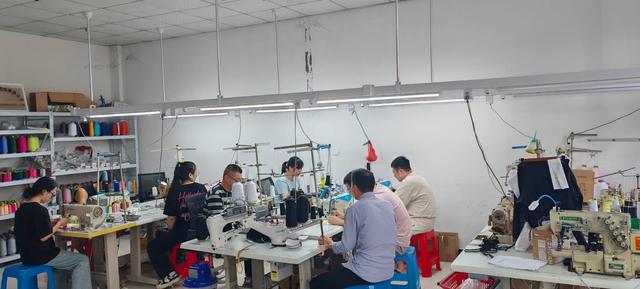
Guangzhou Dahab Fashion Co., Ltd. is a professional women's clothing manufacturer located in Guangzhou, Guangdong, China. Established in 2012, the company specializes in the design, development, and production of fashion apparel for international brands, wholesalers, retailers, boutique stores, and e-commerce businesses. With a modern manufacturing facility spanning over 16,000 square meters and a workforce of more than 260 skilled employees, Dahab Fashion provides comprehensive OEM and ODM garment solutions to customers worldwide.
The company offers a diverse range of women's clothing products, including casual wear, fashion dresses, blouses, tops, skirts, knitwear, outerwear, loungewear, business attire, and seasonal fashion collections. By combining market-driven design concepts with efficient production capabilities, Dahab Fashion helps customers create competitive apparel collections that meet changing consumer preferences across global markets.
Supported by an experienced design and product development team, the company continuously monitors international fashion trends, fabric innovations, and garment technologies. This enables Dahab Fashion to deliver stylish, functional, and commercially viable products while supporting customers with collection planning and product customization.
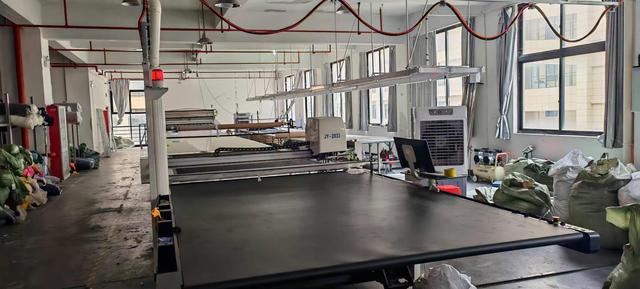
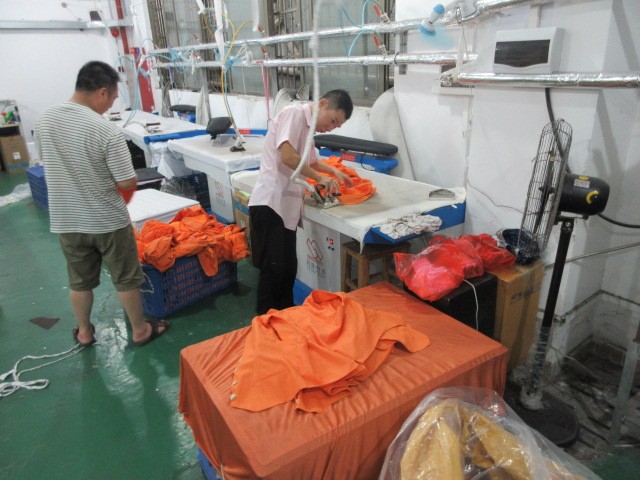
Quality management is integrated throughout the manufacturing process. From fabric sourcing and pattern development to cutting, sewing, finishing, and final inspection, every stage is carefully controlled to ensure consistency, durability, and customer satisfaction. The company also provides flexible private-label services, including logo application, custom packaging, fabric selection, and branding support.
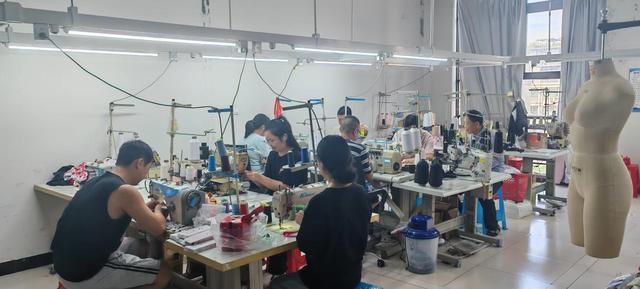
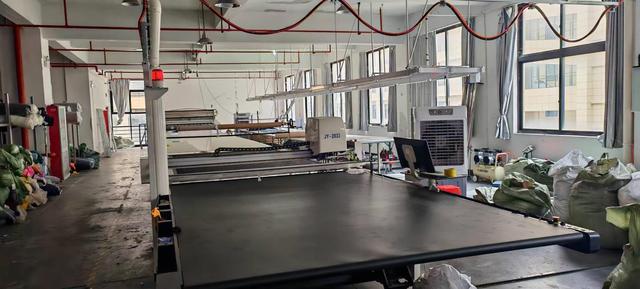
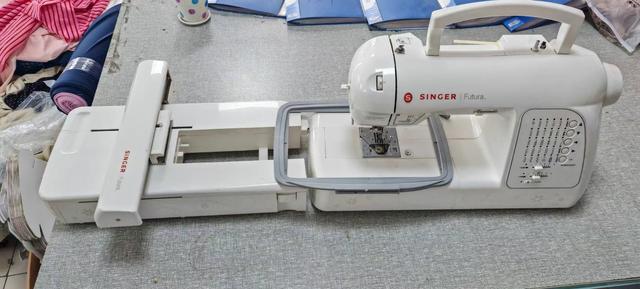
Adapting materials to combat Indian tropical heat and monsoon humidity, while ensuring high stretchability.
India’s tropical and subtropical climate zones present unique challenges for heavier plus-size fabrics. High humidity, high ambient temperatures, and distinct seasonal monsoons require fabrics that offer premium thermal comfort, high air permeability, and rapid moisture vaporization. Traditional heavy polyesters often trap sweat and cause skin irritation, especially under compression.
To overcome this, Guangzhou Dahab Fashion has developed a fabric science initiative specifically for our exports to India. We prioritize breathable, high-density cotton-modal blends, recycled lightweight poly-spandex with moisture-wicking coatings, and natural cellulosic fibers. By utilizing advanced knitting technologies, we achieve a soft-hand feel with double-knit interlock structures that ensure opacity, preventing the fabric from shearing or becoming see-through when stretched over contours.
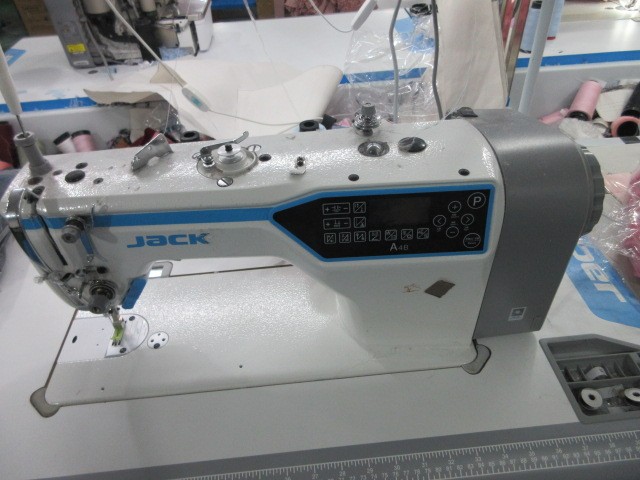
Our production facilities integrate modern manufacturing technologies to optimize lead times and maintain precision consistency for high-volume Indian orders:
How Dahab Fashion supports diverse market segments, from premium activewear to daily essentials and festive wear.
Our product categories are intentionally structured to align with primary lifestyle and retail occasions observed in contemporary Indian demographics:
Partner with an established manufacturer offering robust OEM/ODM production, localized sizing optimization, and dependable customs support for the Indian market.
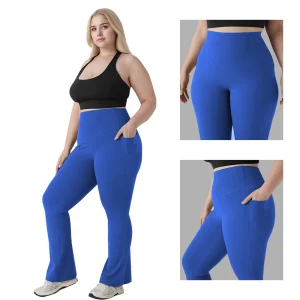
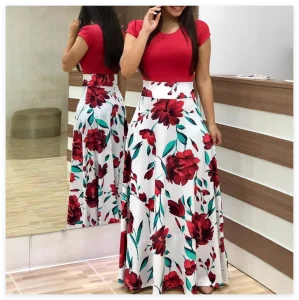
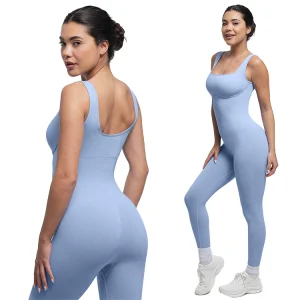
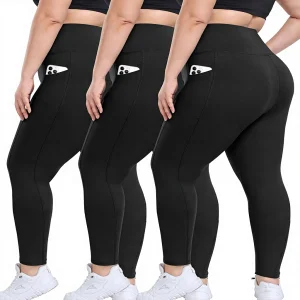
Send Inquiry NowMaximize retail performance with our high-demand products, built to withstand daily use and regional climates.



Navigating import structures, freight options, and regulatory processes from Guangzhou to India.
Importing commercial garments into India requires careful attention to customs protocols, documentation, and tax structures. To ensure a smooth customs clearance process at major entry points—such as Nhava Sheva (Mumbai), Chennai Port, or Indira Gandhi International Airport (Delhi)—our logistics team handles all standard compliance requirements. We provide complete documentation, including certified commercial invoices, packing lists, Bills of Lading, and Certificate of Origin documents.
Indian customs duties on imported apparel generally fall under the standard Basic Customs Duty (BCD) structure, along with the Integrated Goods and Services Tax (IGST). We work closely with our partners to optimize cargo packaging, reduce dimensional weight costs, and provide accurate HS codes (under Chapter 61 and 62) to prevent delays during classification. Whether you prefer FOB Guangzhou, CIF Indian ports, or door-to-door delivery through trusted cargo agents, our team ensures your shipments arrive safely and on time.
Detailed answers to common questions about our production capacity, customization, and export services to India.
 Dahab Fashion