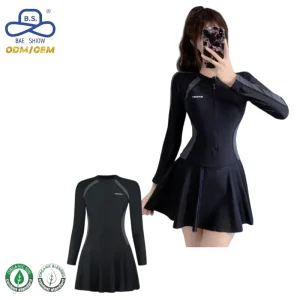
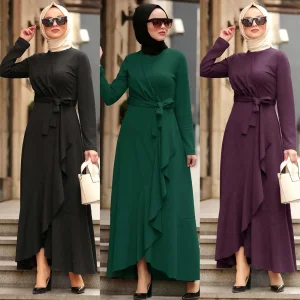
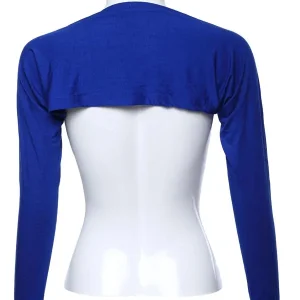
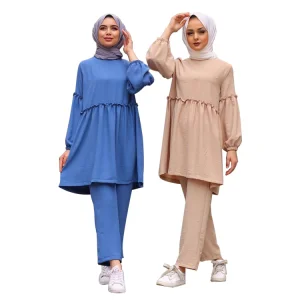
Premium quality fabrics and customized cuts designed to satisfy specific local market demographics from Durban to Cape Town.
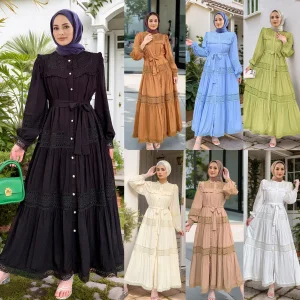
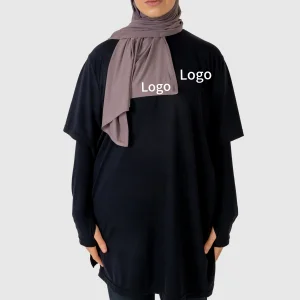
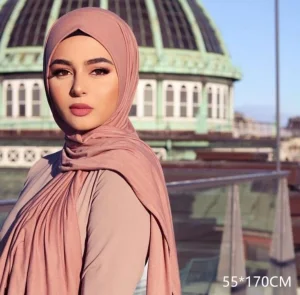
The Southern African modest clothing sector is experiencing a monumental paradigm shift. Driven by a fusion of religious practices, cultural heritages, and a rapid evolution in consumer lifestyle choices, the demand for modest clothing has expanded far beyond traditional boundaries. Major retail centers in Gauteng, KwaZulu-Natal, and the Western Cape are observing high-growth rates for apparel that respects modesty requirements without sacrificing contemporary design aesthetics.
For B2B buyers, large-scale distributors, and major retail chains such as the Foschini Group, Truworths, and Woolworths, locating reliable, compliant, and cost-effective apparel factories is paramount. As South Africa maintains deep cultural diversities—comprising sizeable Muslim, Christian, and indigenous groups who value modest dress—understanding the structural requirements of this demographic is no longer optional. It is a critical driver for fashion revenue growth.
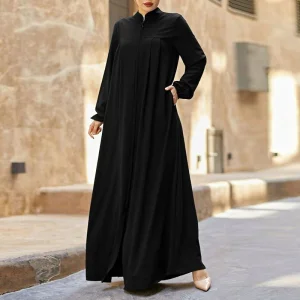
Unlike Middle Eastern markets, South Africa's modest apparel market is unique: it bridges multiple cultural domains. The demand is divided between Islamic Modest Wear (demanding strict non-transparency, loose silhouettes, and comprehensive head coverings like Hijabs and Abayas) and Apostolic/Traditional Modest Dress (popular in KwaZulu-Natal and Limpopo, which favors long, structured skirts and layered tops). Sourcing from a factory that can handle both lines of production under one roof offers unmatched logistical efficiency.
One of the most complex factors in sourcing modest apparel for the South African market is the **seasonal inversion** between the Northern and Southern hemispheres. When Chinese factories and international fabric mills are gearing up for the Northern Hemisphere’s winter collections (producing heavy wools, thick knits, and dark colors), South African retail windows are transitioning to high summer (requiring breathable, lightweight, and vibrant, sun-resistant fabrics).
Guangzhou Dahab Fashion Co., Ltd. addresses this operational bottleneck by offering specialized production lanes configured specifically for Southern Hemisphere buyers. Our procurement cycles and design calendars are customized to align with South African seasons, guaranteeing that summer stock reaches ports in Durban or Cape Town well before the peak retail push in October and November.
Navigating the complex import and customs environment of South Africa requires deep regulatory expertise. Sourcing textiles and finished apparel from China into South Africa involves adhering to the strict mandates of the **South African Revenue Service (SARS)** and the International Trade Administration Commission (ITAC).
Guangzhou Dahab Fashion Co., Ltd., established in 2012 in the heart of China’s garment capital—Guangzhou—serves as a vital link to the Southern African fashion supply chain. Sourcing from our 16,000-square-meter facility brings massive economies of scale that cannot be replicated locally.
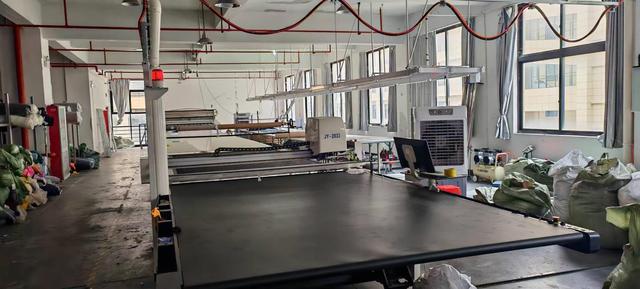
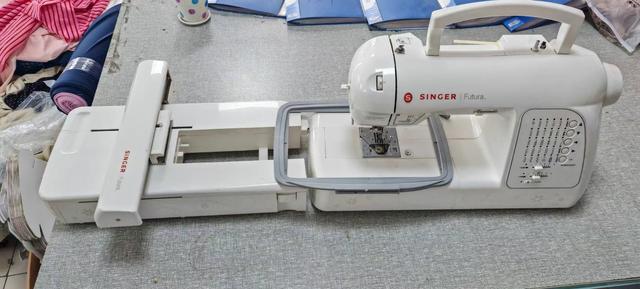
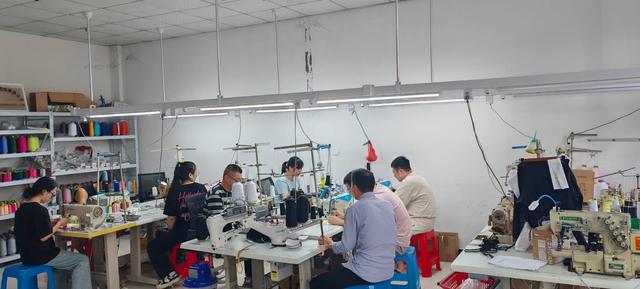
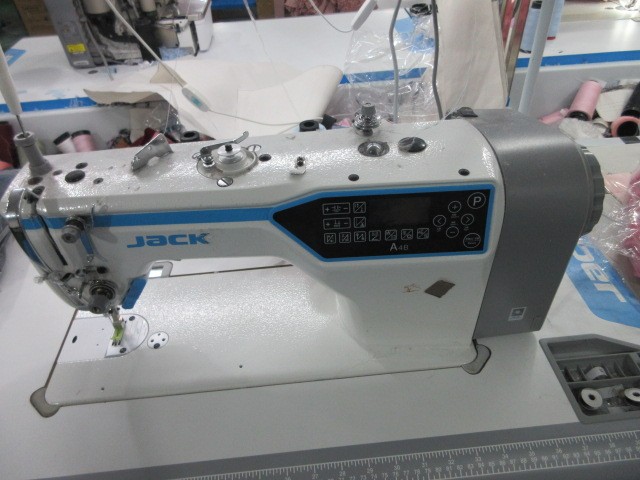
Our workforce of over 260 skilled operators utilizes state-of-the-art cutting machinery, high-precision pattern plotting systems, and advanced sewing loops. This structural capability allows us to offer both low Minimum Order Quantities (MOQs) for boutique chains and massive volume capacities for enterprise distributors across South Africa.
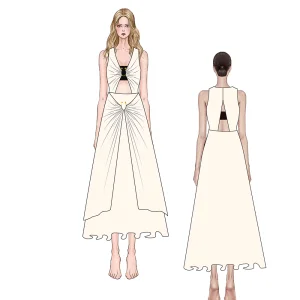
Rapid Prototyping: Sample creation within 5 to 7 days based on tech packs or reference images.
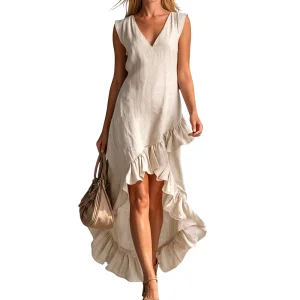
Fabric Integrity: Access to the vast fabric markets of Guangdong, enabling the sourcing of specific linen, modal cotton, and chiffon materials that withstand the South African climate without fading.
South Africa’s climatic variation—ranging from the Mediterranean warmth of Cape Town to the subtropical humidity of KwaZulu-Natal—demands precise fabric choices for modest wear. Modest garments require substantial fabric weight to prevent transparency, yet must remain lightweight enough to ensure comfort in 30°C+ summer heat.
We source and produce using specialized fabrications:
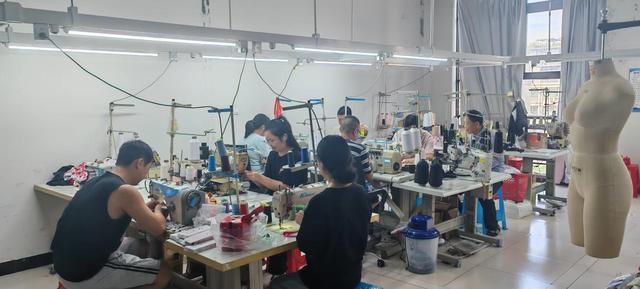
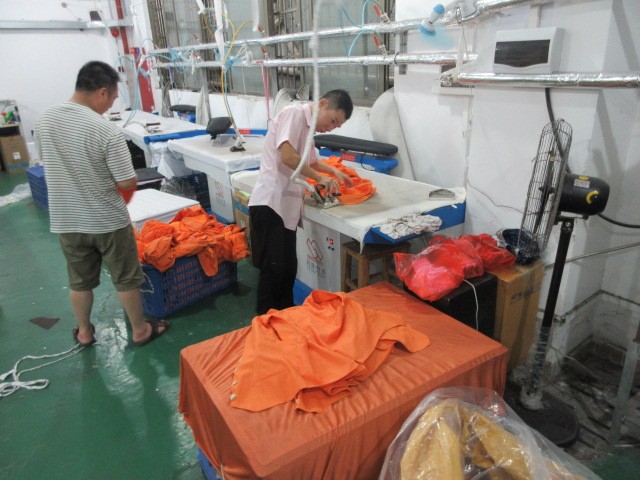
Our infrastructure is designed for high-efficiency throughput. From design to finishing, we control every single phase. See our actual manufacturing plant operations below, showcasing our commitment to quality, scale, and modern textile engineering.
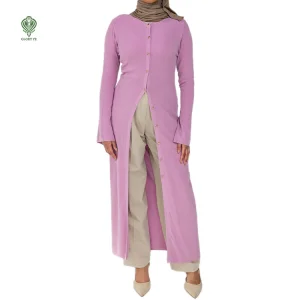
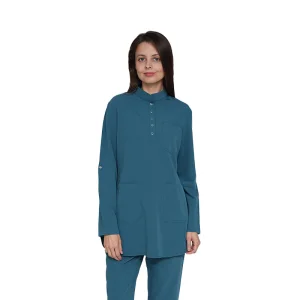
Comprehensive wholesale listings featuring customizable designs, specialized activewear, and protective garments designed for industrial and healthcare uses.
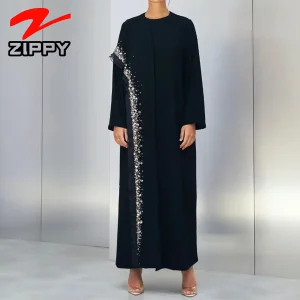

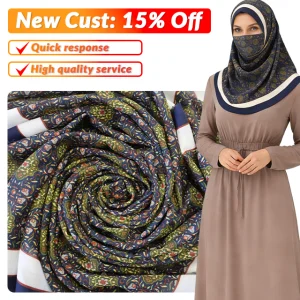
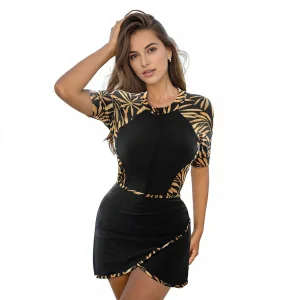
Everything you need to know about lead times, custom branding, logistics routing, and SARS import procedures.
Standard production takes 15 to 25 days depending on the style complexity and order volume. Sea freight shipping from Guangzhou Port to Port of Durban takes approximately 18 to 22 days, while transit to Cape Town Port takes 25 to 28 days. For urgent restocks, air freight to OR Tambo International (JNB) takes 3 to 5 business days.
We provide full-spectrum private labeling. This includes the development of custom woven neck labels, size tags with South African sizing standards (e.g., UK/SA sizes 8 to 24), barcode sticker integration for ERP networks, and tailored retail packaging. Buyers can supply their own designs, or we can assist in creating them.
We supply a comprehensive commercial invoice, a packing list with detailed HS Codes for customs classification (such as Chapter 61 or 62), and a Certificate of Origin. We work closely with your local South African clearing agent to ensure all paperwork complies with SARS requirements to minimize clearance delays at port.
Our standard Minimum Order Quantity (MOQ) is generally 100 to 200 units per style/color. However, for initial trial orders or market testing in South Africa, we can offer flexible lower limits. Contact our sales department to discuss custom arrangements based on your retail requirements.
Partner with Guangzhou Dahab Fashion Co., Ltd. for reliable manufacturing, strict QA processes, and swift shipping routes directly targeting the South African market.
Send Inquiry Now Dahab Fashion