Dahab Fashion
Canada Maternity Apparel Market: Insights & Manufacturing Landscapes
An in-depth look into the localized commercial trends, consumer shifting patterns, and structural manufacturing demands in the North American market.
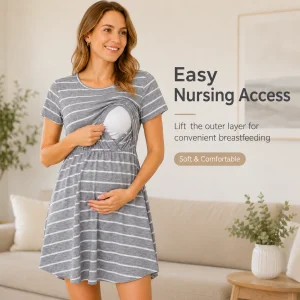
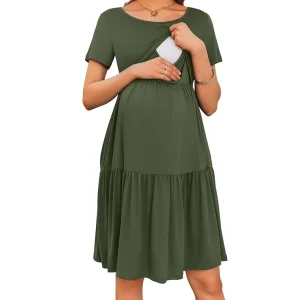
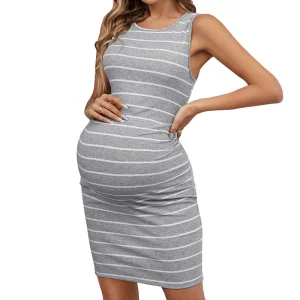
The maternal apparel sector in Canada represents a unique and highly dynamic consumer landscape. Driven by changing demographic factors, an increasing focus on maternal well-being, and a robust shift toward environmentally conscious purchasing, the market demands high-quality, multifunctional, and regulatory-compliant garments. Unlike standard fast fashion, maternity clothing must adjust to rapid physiological transformations while satisfying diverse functional demands—such as nursing accessibility, ergonomic support, and thermal adaptability to handle Canada’s extreme seasonal fluctuations.
For Canadian apparel brands, boutiques, and large-scale retailers, securing a reliable production partner is critical. Modern sourcing managers face the challenge of bridging the gap between local retail expectations and manufacturing realities. A competent manufacturing facility must offer more than just low-cost cut-make-trim (CMT) services; it must operate as a strategic partner capable of providing Information Gain through material innovation, technical research, and strict environmental compliance.
Key Canadian Market Driver: Material Transparency & ESG Integrity
Canadian consumers exhibit a high affinity for sustainability. The demand for OEKO-TEX® certified yarns, organic cotton, and zero-waste dye processes is no longer a niche preference but a baseline market requirement. Manufacturers catering to the Canadian market must demonstrate absolute supply chain traceability from raw fiber sourcing to final packaging.
Demographic Shifts and Localized Consumption Scenarios in Canada
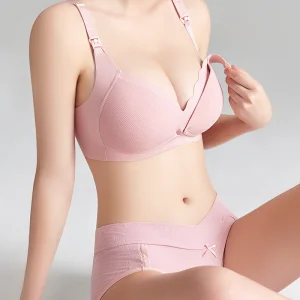
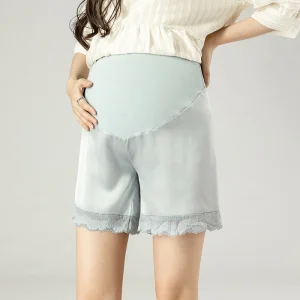
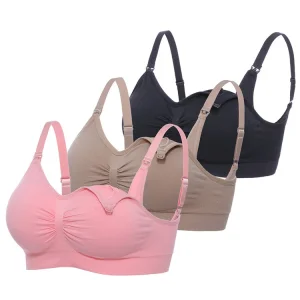
The contemporary Canadian mother profile is changing. With the average age of first-time mothers in Canada rising to 31.4 years, the consumer base comprises highly educated, professional women with strong purchasing power. These consumers demand seamless integration between their workwear, activewear, and maternal garments. Maternity activewear, such as seamless compression leggings and supportive nursing bras, has experienced unprecedented growth across urban centers like Vancouver, Toronto, and Calgary, where active lifestyles remain prominent throughout pregnancy.
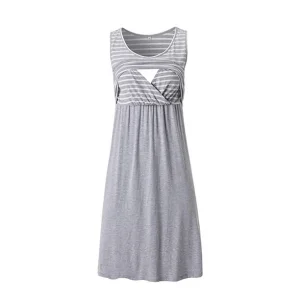
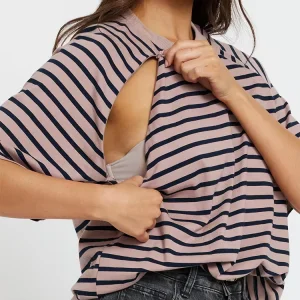
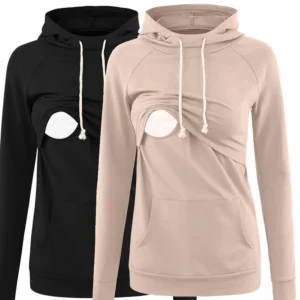
Furthermore, Canada’s multi-layered weather conditions require a highly specialized approach to apparel layering. A typical wardrobe rotation must include breathable organic cotton undergarments for climate-controlled indoor settings, coupled with heavy-duty, thermal-regulating outerwear or hoodies designed for cold winters. The ability to design garments with multi-functional nursing panels that can be accessed without exposing the mother to cold drafts is a critical localized application scenario that requires precise design engineering during the product development phase.