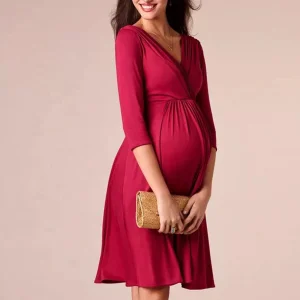
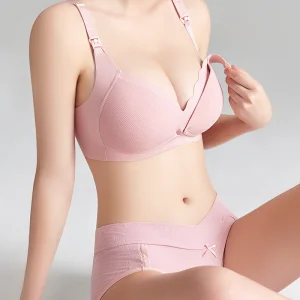
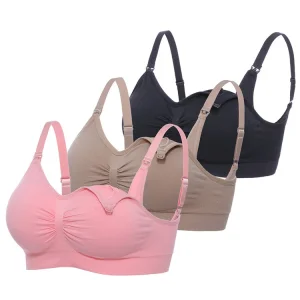
Engineered with precise thermal regulations, stretch capacities, and hypoallergenic natural fabrics to withstand local climatic fluctuations and fulfill the premium expectations of the Russian Federation's maternity sectors.
The metropolitan area of Moscow represents the single largest consumer market for maternity products in Eastern Europe and Central Asia. In recent years, demographic incentives combined with shifting lifestyle expectations have accelerated the demand for modern, multi-functional maternity apparel. Modern Russian mothers no longer seek baggy, temporary clothing; they demand wardrobe options that combine premium ergonomics, advanced fabric breathability, and fashion-forward aesthetics suitable for active urban living.
Understanding the Search Intent of Moscow-based apparel buyers reveals a critical transition toward high-quality, cold-weather protection textiles coupled with comfortable indoor loungewear. Because Moscow experiences profound seasonal shifts—ranging from sub-zero, dry winter climates down to -20°C up to short, warm summers—the local market requires a hybrid supply chain model. Successful retailers in Moscow require maternity garments engineered with multi-layer capability, sweat-wicking materials, and robust elastic properties that adapt seamlessly to the postpartum recovery cycle.
Climatic Resilience: Winter collections demand heavy-knit jerseys, fleece integrations, and dual-layer protective lining, while summer lines demand breathable, organic cotton muslin.
Compliance Focus: Mandatory implementation of the Russian Federation's Chestny Znak (Honest Sign) digital marking and TR CU certificates is vital for smooth customs clearance and legal retail display.
E-Commerce Proliferation: With Ozon and Wildberries dominating the regional retail landscape, supply chains must support rapid inventory turnover and dynamic size sorting.
For wholesale sourcing managers and international retail chains operating in Moscow, supply chain velocity is the primary differentiator. Sourcing maternity clothing from China, specifically from the high-tech apparel clusters of Guangzhou, guarantees structural efficiency. By utilizing the China-Europe Railway Express (Yuxinou and Chang'an routes), transit times from the manufacturing hub of Guangzhou to the terminal stations of Moscow (such as Vorsino and Kaluga) are reduced to 12–15 days.
Optimized Logistic Metrics for Moscow Importers:
By bypassing ocean freight via Saint Petersburg (which often takes 35 to 45 days), rail freight directly to Moscow cargo hubs allows businesses to rapidly adapt to market micro-trends, restock high-performing SKUs, and keep capital fluid.
Integration of road-to-rail express cargo from southern China factories straight to Moscow’s Central Ring Road hubs, ensuring low-risk handling and pristine package integrity.
Pre-export document preparation including TR CU 017/2011 (Technical Regulation of the Customs Union) certificates and complete HS code classification for soft textile exports.
Flexible manufacturing pipelines that accommodate sudden batch size scaling, allowing Moscow retail groups to run lean stock strategies without facing stockouts.
Located in the heart of China’s leading apparel manufacturing hub, Guangzhou Dahab Fashion Co., Ltd. is a prominent women’s and maternity clothing manufacturer established in 2012. Over more than a decade of active export operations, the company has built a reputation for delivering robust OEM and ODM solutions that conform to strict global regulatory guidelines and satisfy complex retail specifications.
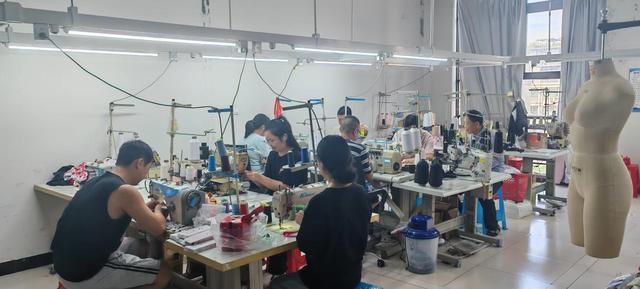
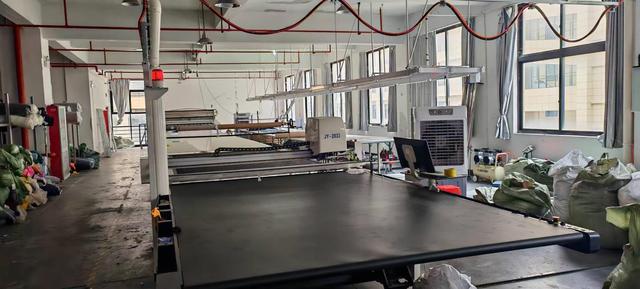
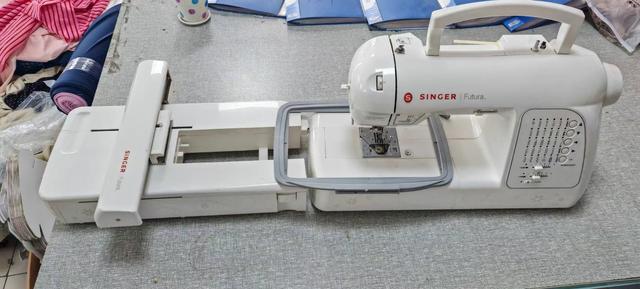
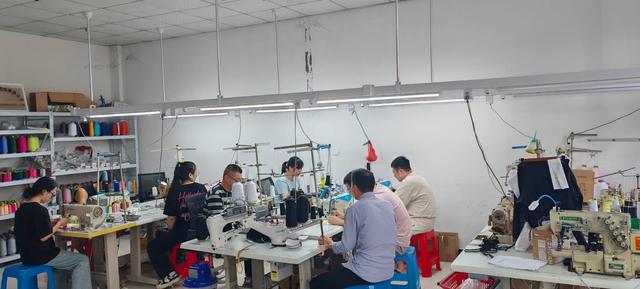
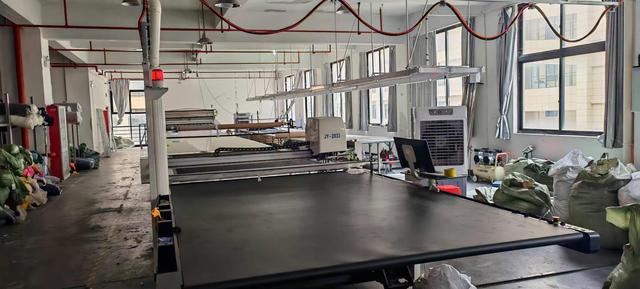
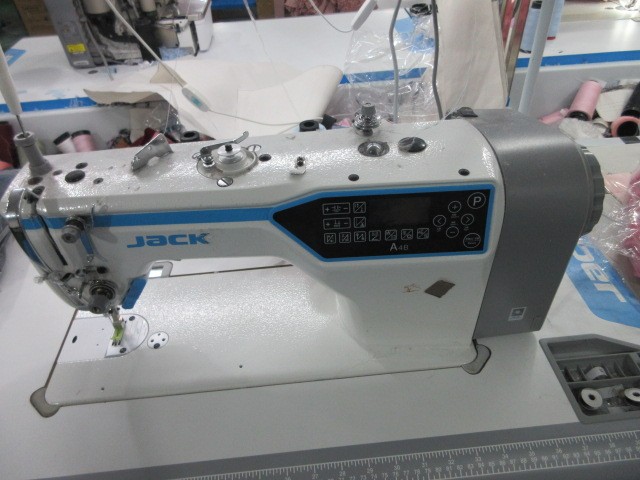
Spanning a modern production infrastructure of over 16,000 square meters and powered by a dedicated team of more than 260 skilled textile experts, designers, and quality control specialists, Dahab Fashion integrates advanced pattern engineering with streamlined manufacturing. The facility utilizes automated fabric cutters, computerized sewing lines, and specialized CAD modeling software to design maternity wear that prioritizes ergonomic support, dynamic stretch recovery, and skin-friendly breathability.
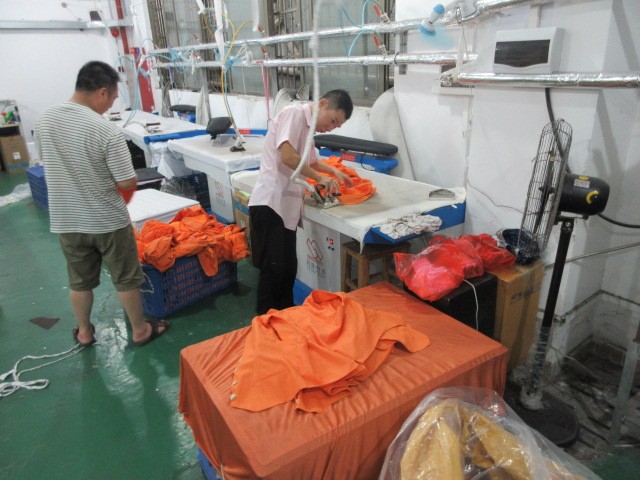
Quality management at Dahab Fashion is implemented through every stage of production. From initial eco-friendly fabric sourcing and 3D prototyping to computer-controlled stitching, dynamic stress-testing of elastic waistbands, and final sterilization before export packaging, each garment undergoes rigorous audits. This ensures consistent durability, skin-safe pH levels, and exact sizing for global maternity markets.
Maternity clothing must support the human body through significant physiological changes. Pregnant and postpartum women experience heightened body temperatures, skin sensitivity, and changes in blood circulation. When designing for the Moscow market, we apply targeted material science to solve these localized challenges:
Integrating multi-layer knit structures that trap warm air during cold Moscow winters, while remaining breathable to prevent overheating inside centrally heated commercial and residential buildings.
Using organic muslin cottons, bamboo-derived modals, and zero-formaldehyde dyes. All materials meet strict chemical safety parameters, matching OEKO-TEX Standard 100 protocols.
Implementing selective elastane-blended panels that provide support without constricting the abdominal wall, maintaining their shape after repeated washes.
Key information for logistics directors, procurement managers, and brand founders sourcing high-performance maternity wear for the Russian Federation.
We provide all necessary documentation for TR CU 017/2011 (Technical Regulation of the Customs Union for light industry safety). Our technical department works with certified laboratories to supply testing reports detailing fiber composition, air permeability, hygroscopicity, and colorfastness. This documentation supports your broker in obtaining the required Declaration of Conformity (Декларация Соответствия EAC).
Yes. We coordinate with Moscow importers to print and apply Data Matrix codes at the factory level. Our packaging line applies these serialized labels to product hangtags and polybags, ensuring your shipments comply with national traceability standards before arriving at customs checkpoints.
Our standard MOQ for custom (OEM/ODM) designs starts at 200–300 pieces per style/colorway, depending on the fabric composition. For items using in-stock raw materials, we can offer more flexible minimum order quantities.
We do not rely on standard Asian sizing templates. Our experienced R&D department develops custom patterns aligned with European GOST sizing specifications. This guarantees correct proportions at the hips, torso, and shoulders, reducing return rates on major e-commerce platforms like Wildberries and Ozon.
Sample prototyping requires 5 to 7 working days. Bulk production is typically completed within 25 to 35 days from sample approval. Transit via direct rail freight from Guangzhou to Moscow hubs adds another 12 to 15 days, resulting in a total turnaround of approximately 45 to 55 days from design confirmation to warehouse delivery.
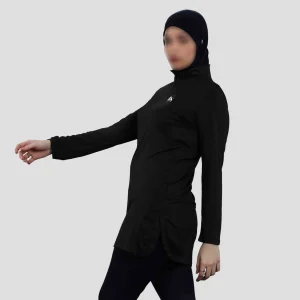
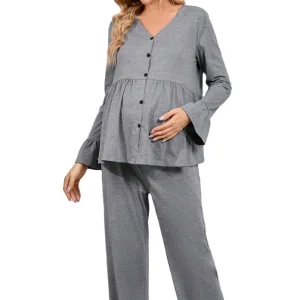
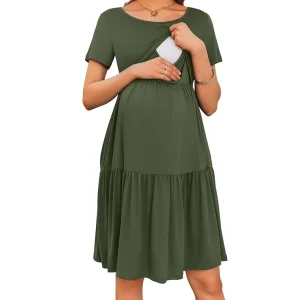
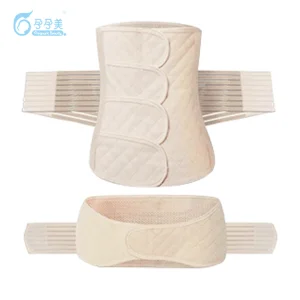
Explore our curated selection of maternity products. These styles are optimized with adjustable structural panels, convenient breastfeeding access, and premium fabrics designed for durability and comfort.
 Dahab Fashion