Dahab Fashion
The United States Women's Formal Wear Market: An Industry Overview
The landscape of women's formal wear in the United States is undergoing a profound structural evolution. Valued at billions of dollars annually, the US market is fueled by diverse drivers including corporate re-entry protocols, the expansion of high-end events, and a paradigm shift toward hybrid formal apparel. Today's professional American woman demands formal clothing that offers a seamless transition from the executive boardroom to high-profile industry events, wedding celebrations, and networking banquets. As a result, B2B procurement professionals, brand directors, and department store buyers are facing intense pressure to source products that are aesthetically refined, functionally superior, and ethically manufactured.
From the corporate hubs of New York City and Chicago to the expanding tech sectors of California and Texas, the procurement criteria have moved beyond basic textile metrics. Modern US fashion systems require fabrics with advanced properties, including stain resistance, moisture-wicking capabilities, and mechanical stretch. Furthermore, compliance with strict regulatory regimes, such as the Consumer Product Safety Improvement Act (CPSIA) for uniforms, and ESG (Environmental, Social, and Governance) targets, is non-negotiable. Top-tier retailers must align with global manufacturing partners who can guarantee total transparency in sourcing, chemical management, and ethical employment practices.
Supply Chain Dynamics and Global Enterprise Sourcing Requirements
Procuring high-end women's formal garments for the US market involves navigating highly complex trade regulations, duty frameworks, and logistics hurdles. With the continuous pressure of tariffs and fluctuating shipping rates, import managers must optimize total landed costs. Successful operations leverage key strategies such as DDP (Delivered Duty Paid) shipping, optimization of Harmonized Tariff Schedule (HTS) classifications, and strategic logistics planning that avoids West Coast bottleneck ports during peak shipping seasons.
In addition to cost optimization, time-to-market is the primary metric defining retail survival. The traditional twelve-month design-to-delivery lifecycle has been compressed. High-growth brands now demand responsive manufacturing protocols, such as Low Minimum Order Quantities (MOQs) with high-efficiency re-order pathways. This structural flexibility allows brands to test the market with short production runs and rapidly scale winning designs, minimizing inventory write-downs and capital exposure. This requires apparel manufacturers to operate with highly integrated, technology-driven manufacturing centers capable of executing rapid CAD/CAM adjustments and real-time material planning.
Manufacturing Paradigm Shift: Traditional Production vs. Factory 4.0
To succeed in the modern American market, apparel supply chains must transition from legacy setups to technology-driven operations. The comparison below illustrates the strategic advantages of upgrading your apparel supply chain:
| Operation Parameters | Traditional Offshore Apparel Manufacturing | Guangzhou Dahab Smart Factory 4.0 Standard |
|---|---|---|
| Lead Time (Design to Delivery) | 90 - 120 Days | 35 - 45 Days (Fast-Track Options Available) |
| Minimum Order Quantity (MOQ) | 1,000+ pieces per style/color | Flexible MOQ supporting agile brand launches |
| Pattern Adjustments & CAD | Manual, physical mail exchange (7-14 Days) | Instant digital 3D CAD modeling & adjustment (24-48 Hours) |
| Quality Control Framework | End-of-line sampling (AQL 4.0 standard) | Real-time inline digital tracking & AQL 2.5 rigorous control |
| Traceability & ESG Alignment | Paper-based, fragmented compliance records | ERP-monitored supply chain with certified green materials |
China's Factory 4.0: Supply Chain Resilience & Efficiency Advantages
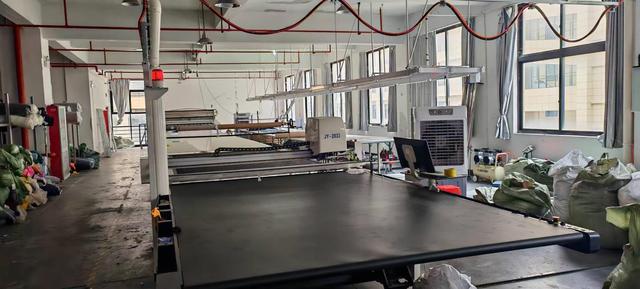
As the international garment landscape shifts, the integration of advanced technologies has established China's apparel hubs as the standard for smart manufacturing. Known as "Factory 4.0," this technological shift combines automation, artificial intelligence, and centralized ERP systems to optimize production. Rather than relying solely on cheap labor, modern Chinese facilities leverage precision machinery, automated fabric cutters, computerized pattern matching, and automated hanger systems to ensure unmatched consistency and speed.
Guangzhou, located at the core of the Pearl River Delta, stands as the premier hub for high-end fashion sourcing. With immediate access to the world’s largest textile supply networks, including the renowned Zhongda fabric and accessories markets, manufacturers in this region can source customized hardware, specialty silks, and technical blends within hours. This concentration of raw material providers, trim factories, dye houses, and logistics specialists forms an exceptionally resilient ecosystem. Even during global supply chain crises, Guangzhou-based manufacturers can secure raw materials and maintain consistent production timelines, insulating international buyers from major disruptions.
Featured Supplier Profile: Guangzhou Dahab Fashion Co., Ltd.
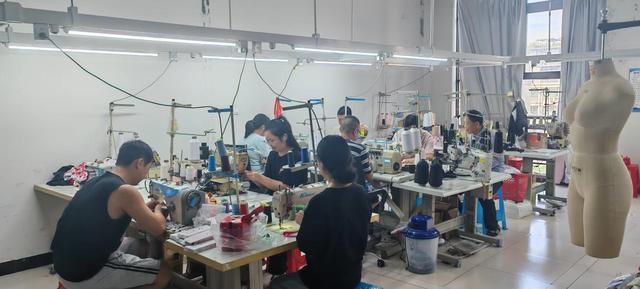
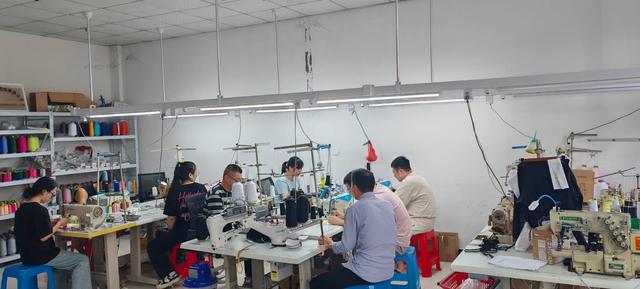
Guangzhou Dahab Fashion Co., Ltd. is a professional women's clothing manufacturer located in Guangzhou, Guangdong, China. Established in 2012, the company specializes in the design, development, and production of fashion apparel for international brands, wholesalers, retailers, boutique stores, and e-commerce businesses. With a modern manufacturing facility spanning over 16,000 square meters and a workforce of more than 260 skilled employees, Dahab Fashion provides comprehensive OEM and ODM garment solutions to customers worldwide.
The company offers a diverse range of women's clothing products, including casual wear, fashion dresses, blouses, tops, skirts, knitwear, outerwear, loungewear, business attire, and seasonal fashion collections. By combining market-driven design concepts with efficient production capabilities, Dahab Fashion helps customers create competitive apparel collections that meet changing consumer preferences across global markets.
Supported by an experienced design and product development team, the company continuously monitors international fashion trends, fabric innovations, and garment technologies. This enables Dahab Fashion to deliver stylish, functional, and commercially viable products while supporting customers with collection planning and product customization. Quality management is integrated throughout the manufacturing process. From fabric sourcing and pattern development to cutting, sewing, finishing, and final inspection, every stage is carefully controlled to ensure consistency, durability, and customer satisfaction. The company also provides flexible private-label services, including logo application, custom packaging, fabric selection, and branding support.
With products exported to North America, Europe, the Middle East, Australia, and other international regions, Guangzhou Dahab Fashion Co., Ltd. has established long-term partnerships with clients seeking reliable apparel manufacturing solutions. The company remains committed to innovation, quality, and professional service as a trusted women's clothing manufacturer providing fashion apparel, casual wear, and OEM ODM garment solutions worldwide.
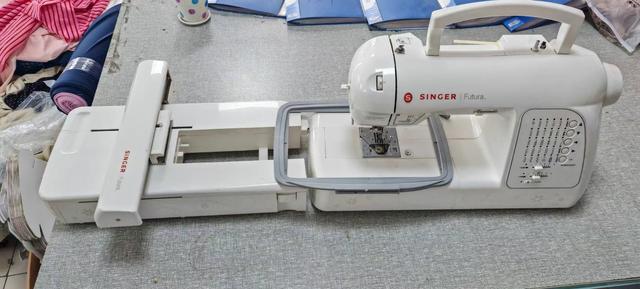
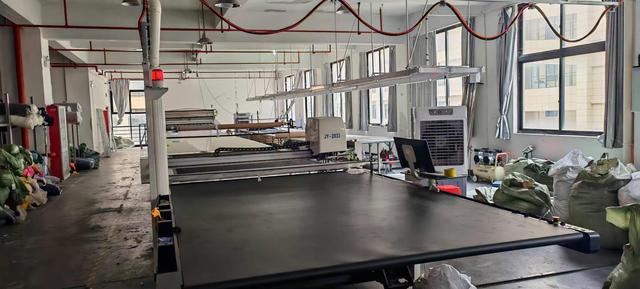
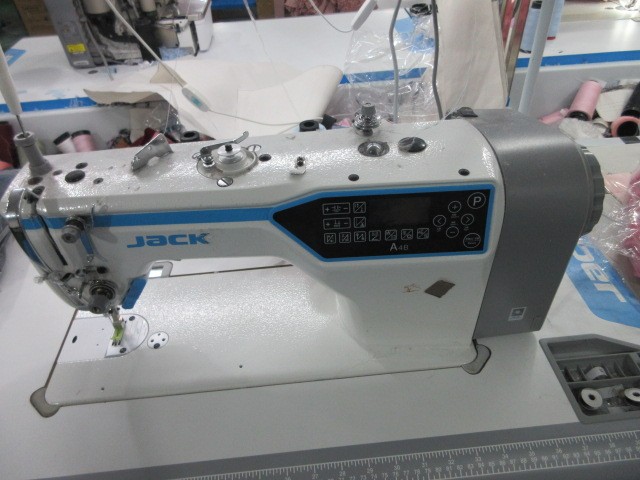
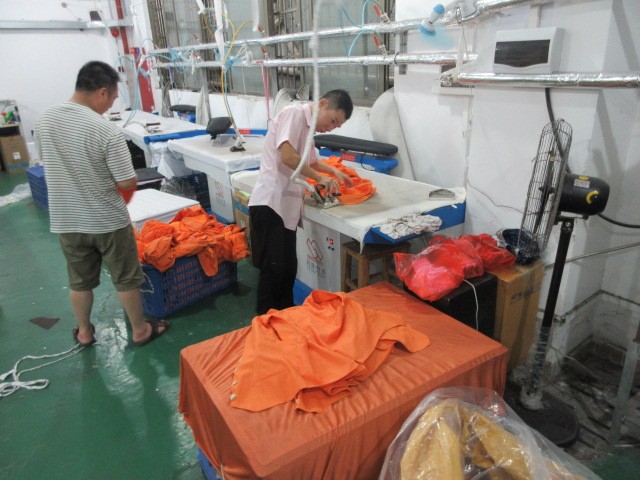
Guangzhou Dahab Fashion Factory and Showroom Overview
Localized US Application Scenarios for Formal & Corporate Attire
Understanding where and how garments will be used is key to successful design and production. Guangzhou Dahab Fashion customizes and designs products specifically to meet the expectations of different US consumer groups:
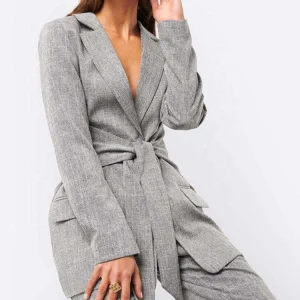
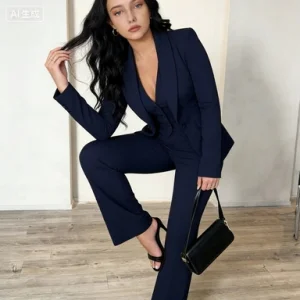
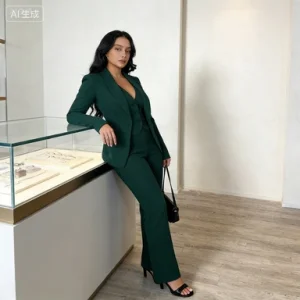
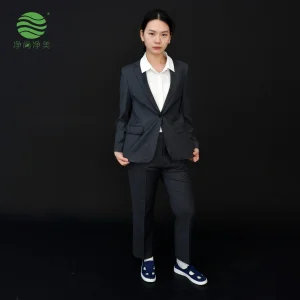
- Executive Boardrooms & Financial Districts (New York, Chicago): Sharp, tailored silhouettes made from premium wool blends and structural crepe. Custom-tailored women's suit three-piece sets (jacket, vest, trousers) dominate this segment, projecting authority, precision, and executive refinement.
- Tech & Creative Hubs (Silicon Valley, Austin): Smart-casual hybrid formal wear. Focus on unlined blazers, tailored pencil skirts, and business-casual blouses that offer all-day comfort without sacrificing professional styling.
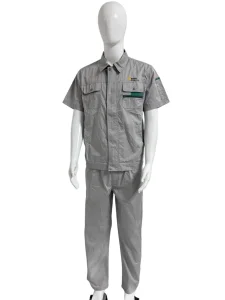
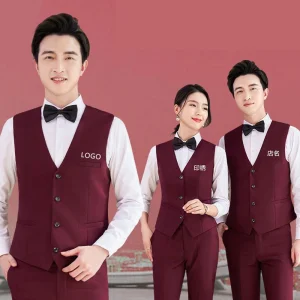
- Premium Hospitality, Leisure & Private Clubs: Uniform wear for high-end golf clubs, country clubs, and luxury dining spaces. This sector demands high-durability fabrics with moisture-wicking and wrinkle-resistant technologies, such as pique knit polos, tailored waistcoats, and black formal waitstaff trousers suitable for high-end catering and black-tie events.
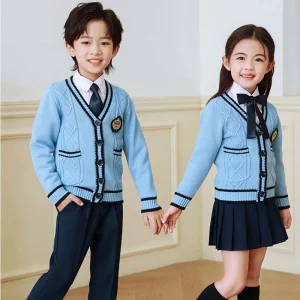
- Academic Institutions & Preparatory Schools: Classic, robust uniforms that withstand daily wear. Autumn school uniform blazer and formal dress designs require stain-resistant treatments and reinforced seam stitching to ensure durability.