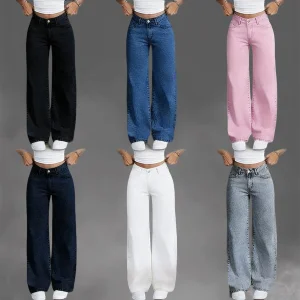
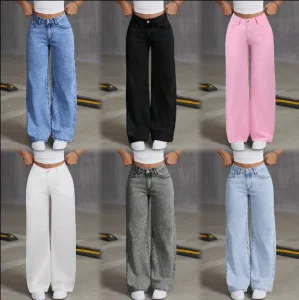
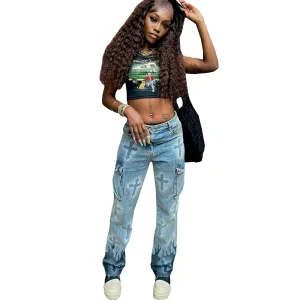
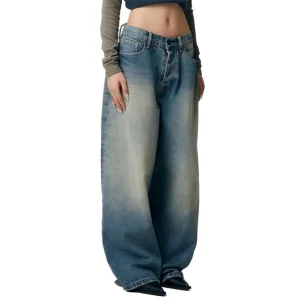
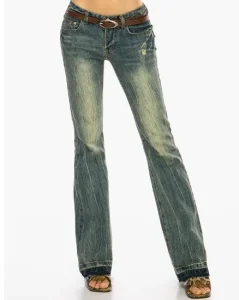
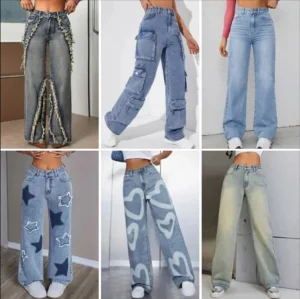
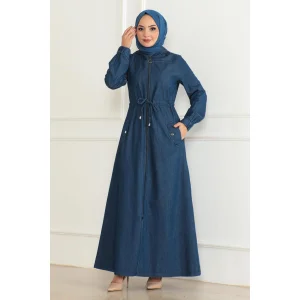
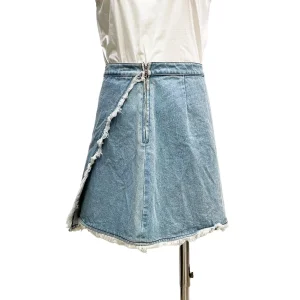
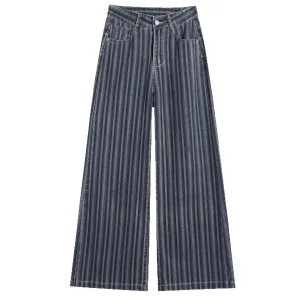
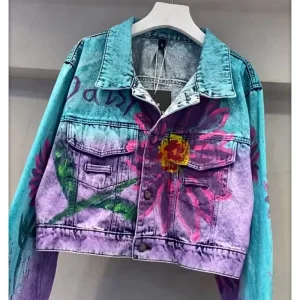
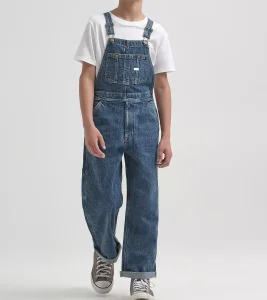
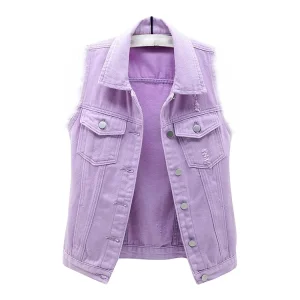
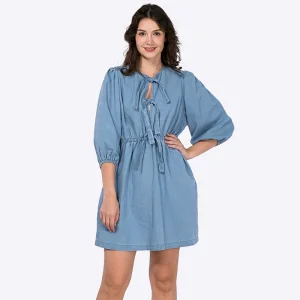
The top-performing functional silhouettes designed for immediate integration into Canadian boutique and major retail programs.
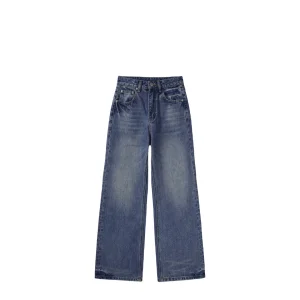
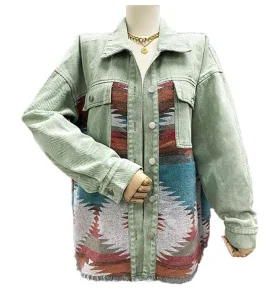
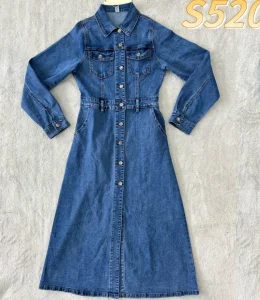
The Toronto denim market is distinct. As Canada’s primary economic hub, the Greater Toronto Area (GTA) demands versatile, high-durability apparel that traverses extreme seasonal fluctuations. In a city where winter temperatures drop below -15°C and summers reach humid highs of over 30°C, local fashion consumers seek denim products that combine insulation with moisture permeability.
Our latest market analysis indicates that modern Toronto apparel brands are moving away from monolithic, rigid denim structures. Retail hubs along Queen Street West, Ossington Avenue, and Yorkville are prioritizing soft-touch, high-tensile stretch denim and transitional garments like shackets and tunics. Driven by the "work-from-anywhere" model, urban professionals in Toronto require jeans that transition seamlessly from corporate offices in the Financial District to weekend social events in the Distillery District.
To win in this market, brands must ensure high-caliber sourcing that guarantees fabric density integrity (typically between 10.5 oz to 13.5 oz for structured denim, and 7 oz to 9 oz for lightweight applications). Finding a manufacturer that can accommodate small-batch agility while preserving standard OEM pricing structures remains the single most significant competitive barrier for Canadian fashion start-ups and mid-sized entities.
"Consumer intent in Eastern Canada has shifted significantly toward utility. The rise of multi-pocket cargo styles and wide-leg silhouettes reflects a broader global preference for functional, workwear-inspired fashion that does not sacrifice form."
Globally, the denim supply chain is adjusting to post-pandemic trade lanes, soaring ocean freight costs, and the absolute necessity of fast-turnaround product cycles. While nearshoring to Latin America remains an option for basic knits, the technical complexity of premium denim production—specifically indigo ring dyeing, enzyme distressing, laser sandblasting, and precision stitching—demands the specialized industrial clusters found in South China.
Guangzhou, specifically the Greater Bay Area garment hub, is globally recognized as the epicenter of advanced denim production. The localized supply chain allows factories to source raw combed cotton, specialized high-elastane blends, and high-tensile metal hardware within a 50-kilometer radius. This high density of suppliers results in unparalleled cost efficiencies and speed-to-market advantages that cannot be replicated elsewhere.
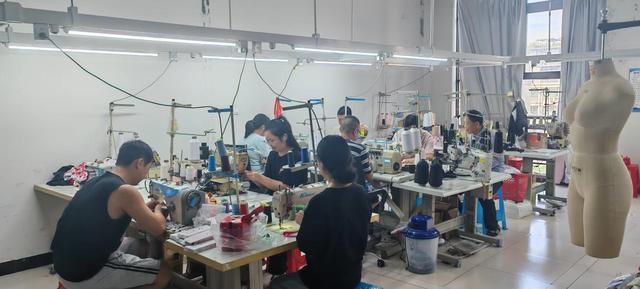
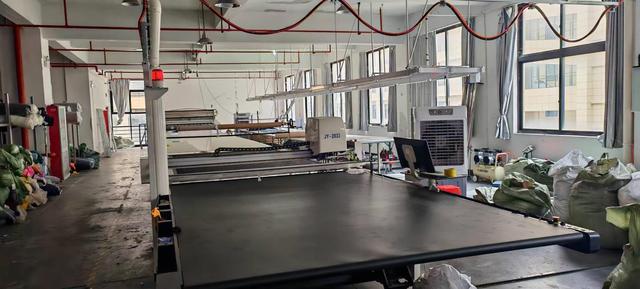
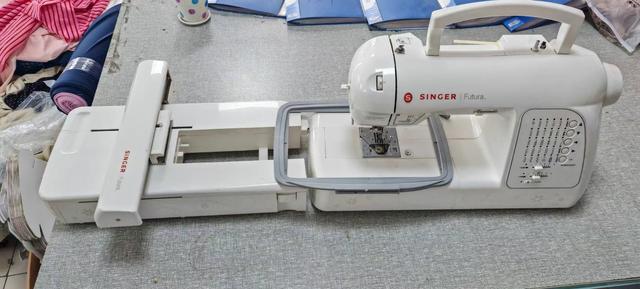
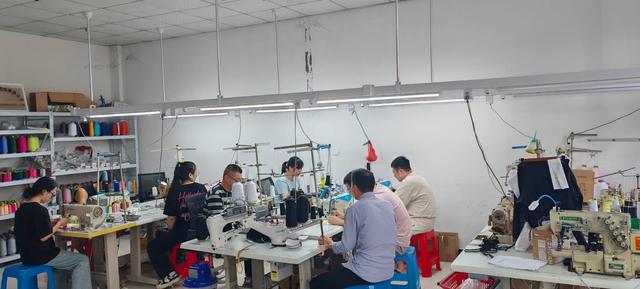
Leading the charge is Guangzhou Dahab Fashion Co., Ltd. Established in 2012, Dahab Fashion operates as an enterprise-grade OEM/ODM partner for global fashion brands. Supported by a state-of-the-art 16,000 square meter facility and over 260 skilled operators, the company acts as a bridge between high-quality Chinese fabrication and Western retail quality expectations.
Sustainable sourcing is no longer an optional marketing pitch; it is a critical component of brand equity and risk management. Forward-thinking retailers in Toronto must prepare for stringent environmental disclosures. Traditional denim manufacturing is resource-intensive, historically requiring up to 7,000 liters of water per single pair of jeans.
Modern Chinese facilities have dramatically transformed this narrative through substantial capital investments in:
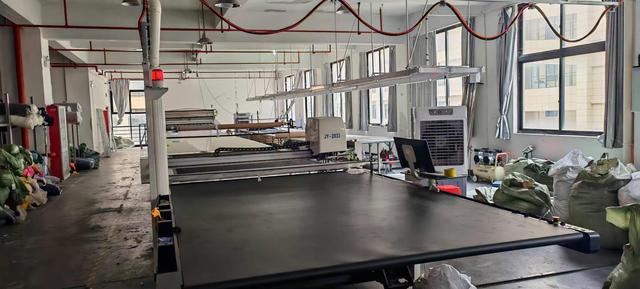
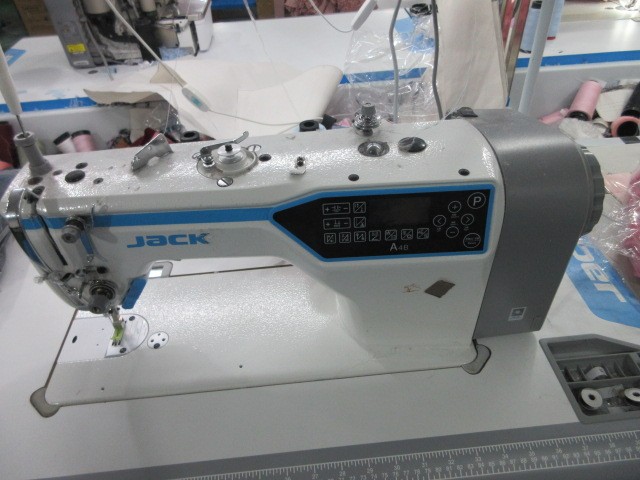
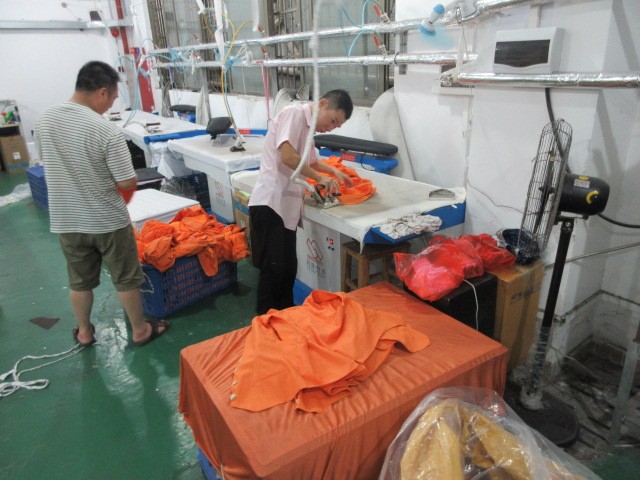
By partnering with Guangzhou Dahab Fashion, Canadian importers leverage a manufacturing setup that seamlessly merges fast turnaround times with verified eco-compliant processing. Our comprehensive quality assurance protocols ensure that every production run undergoes structural assessment—checking tensile strength, colorfastness to light and laundering, and dimensional stability before container loading.
Deep-dive technical answers to standard procurement questions from Canadian denim brand operators.
Explore our full suite of technical denim styles designed for boutiques and volume distributors across North America.
Connect with our design, pattern engineering, and sales team in Guangzhou to request quotes, structural samples, and dynamic logistics consultation.
Send Inquiry Now Dahab Fashion