Explore our top-performing global OEM/ODM designs manufactured at our state-of-the-art Guangzhou facility, featuring sustainable materials, custom fits, and precision tailoring.
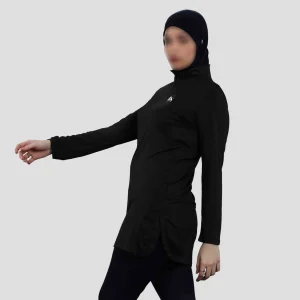
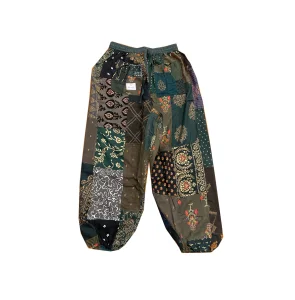

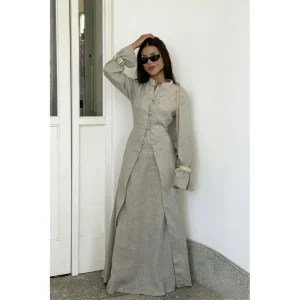

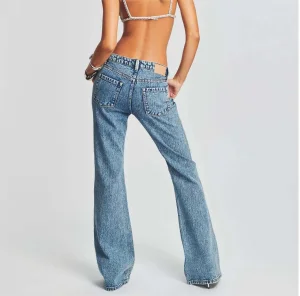

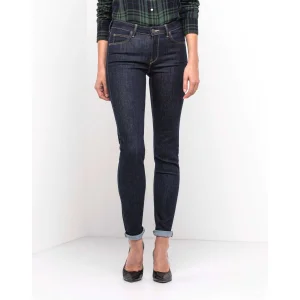
In the contemporary global retail matrix, women's personalized fashion manufacturing has transitioned from legacy batch-based workflows into highly digitized, demand-driven ecosystems. Modern brand alignment requires rapid response mechanisms, localized style compliance, and highly complex pattern engineering to address fragmenting consumer demographics. As a leading specialized manufacturer, Guangzhou Dahab Fashion Co., Ltd. (established in 2012 in Guangzhou, Guangdong, China) operates at the vanguard of this industrial paradigm shift, engineering comprehensive OEM and ODM solutions that translate raw consumer search trends and modular designs into premium grade products.
This whitepaper exposes the macroeconomic forces defining the B2B fashion supply chain, visualizes the integration of CAD and AI pattern configuration, maps technical advancements, and outlines sustainable solutions. By aligning manufacturing operations with strict Quality Rater standard metrics, Dahab Fashion establishes unmatched authority and reliability in global garment exports.
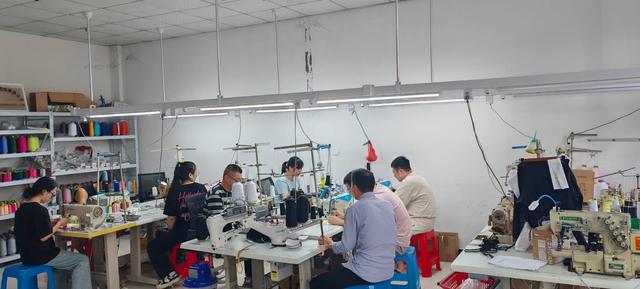
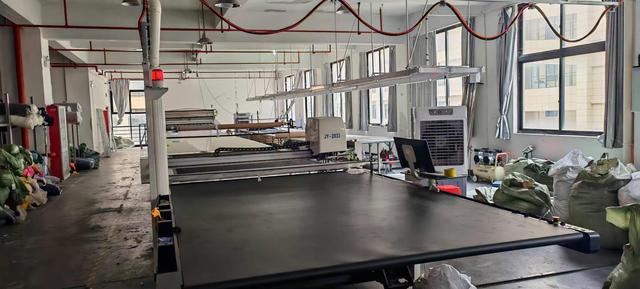
Founded in 2012, Guangzhou Dahab Fashion Co., Ltd. is a specialized women's clothing manufacturer operating from a modern 16,000-square-meter facility with over 260 skilled operators, advanced digital cutters, and comprehensive quality management teams. Spanning fashion dresses, maternity wear, activewear, abayas, and knitwear, Dahab Fashion bridges international design aesthetics with high-efficiency logistics, serving clients across North America, Europe, Australia, and the Middle East.
The global personalized women's clothing market is projected to reach unprecedented valuation heights by 2030, propelled by digital D2C expansion, hyper-targeted social commerce, and sophisticated sizing data analytics. B2B buyers no longer source uniform bulk apparel; they demand flexible production schedules that allow for customized trim details, colorways, and materials suited to micro-demographics.
To navigate this landscape, apparel procurement departments must prioritize supply chain agility over unit cost alone. By leveraging regional sourcing hubs like Guangzhou, manufacturers can rapidly purchase high-grade raw textiles (such as Tencel, modal, organic cotton, eco-leather, and pure cashmere) to respond to market fluctuations in real time. This minimized lead time secures inventory optimizations that prevent markdown losses and stockouts.
Modern consumers search for apparel that satisfies distinct functional and cultural requirements. The search intent data reveals three dominant pillars in high-growth subcategories:
Utilizing breathable fabrics like Premium Jazz Crepe, linen-blends, and lightweight jersey to design elegant, loose-fitting abayas and matching sets. Seamless structural sewing ensures draping aesthetics are preserved without adding unnecessary bulk.
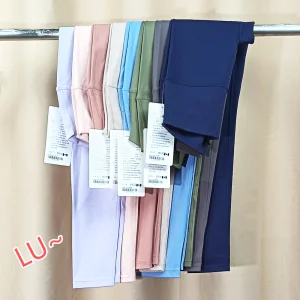
Developing high-stretch maternity wear, such as specialized yoga leggings and modular swimwear, using Nylon-Spandex blends that accommodate anatomical changes while providing core support and thermal comfort.
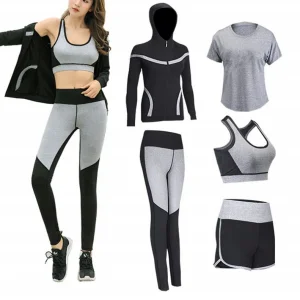
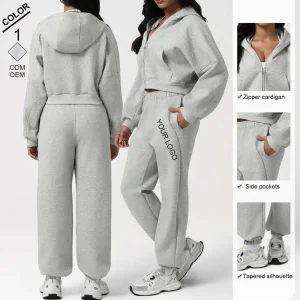
Integrating moisture-wicking technology, four-way stretch weaves, and flatlock seams into athletic activewear sets. Advanced testing methodologies guarantee non-transparent (squat-proof) properties and shape-retention durability.
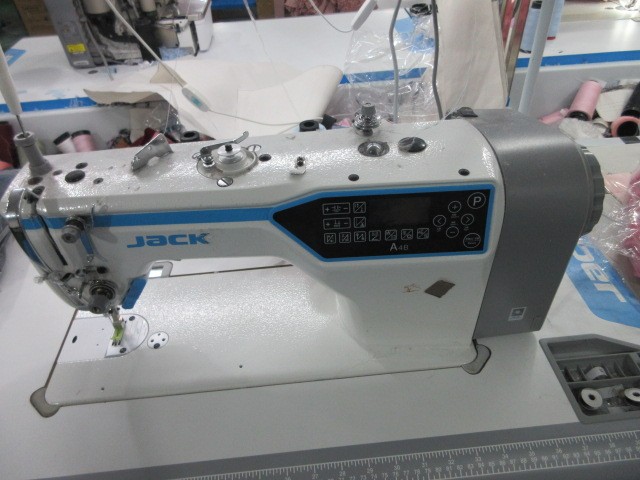
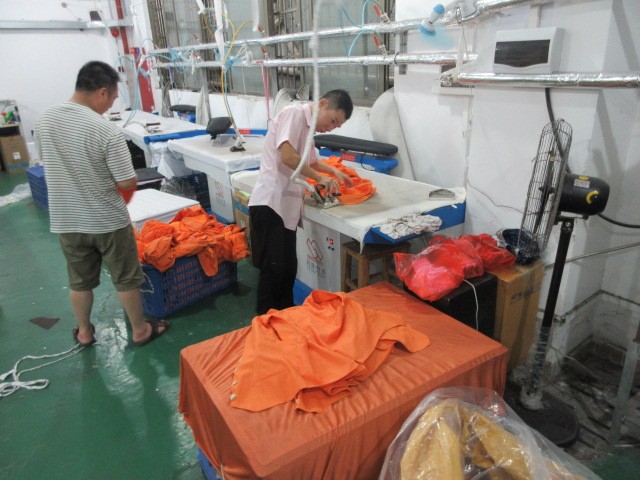
A visual overview of our production capabilities, advanced technology implementation, and quality assurance checkpoints within our 16,000 m² factory floor.
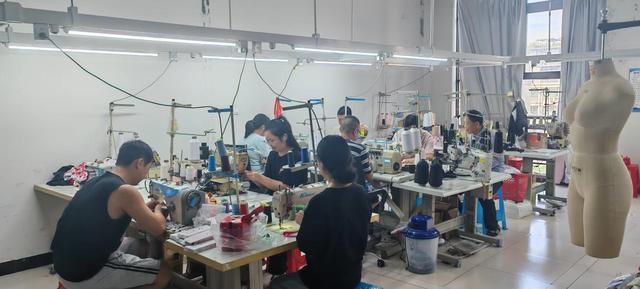
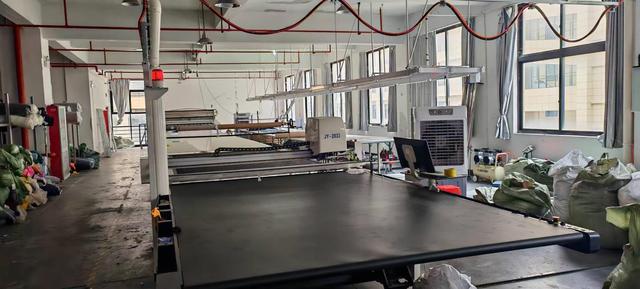
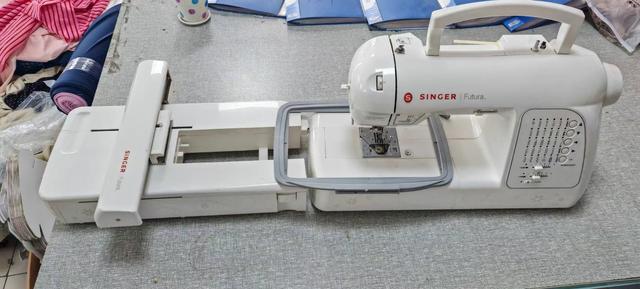
Guangzhou remains the definitive heart of the global textile and apparel trade. Operating from this geographic epicenter provides Dahab Fashion with key sourcing advantages:
The next decade of personalized apparel production relies on digital transformation. Dahab Fashion is actively deploying a multi-tier technical roadmap designed to automate workflows and minimize material waste:
Generating virtual drape simulations on digital avatars to eliminate the waste associated with physical sample iterations. Dynamic stress-mapping ensures accurate seam performance under real-world movement.
Applying intelligent layout algorithms to optimize fabric cutting, reducing textile waste by up to 18% per production run. This practice directly lowers cost per unit while aligning with global eco-friendly protocols.
RFID tracking chips embedded in batch carriers provide real-time updates on assembly status. Clients receive clear transparency throughout the cut, sew, and trim (CMT) phases.
To secure trust in B2B apparel production, quality checks must be integrated into every step of the process. Dahab Fashion applies a strict Quality Assurance matrix across the entire manufacturing lifecycle:
Answers to critical questions regarding customized production schedules, capacity scale, and OEM/ODM workflows.
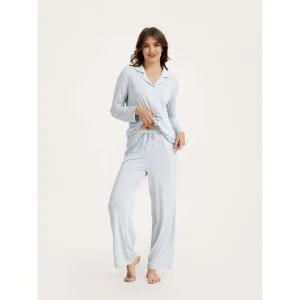
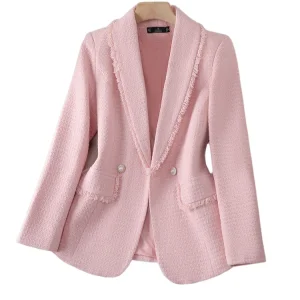
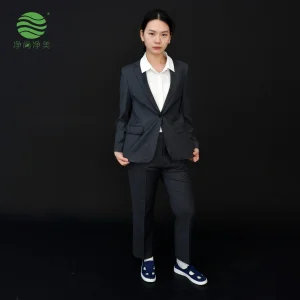
Premium performance fabrics, lightweight knits, and formal tailored coordinates manufactured to specifications under ISO compliance guidelines.


 Dahab Fashion