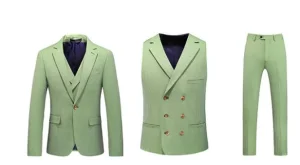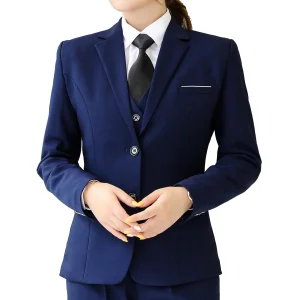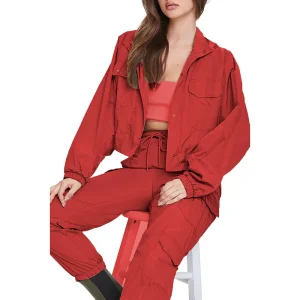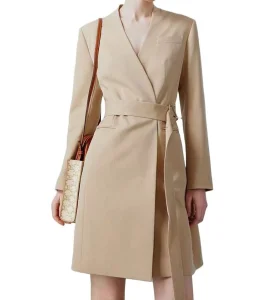
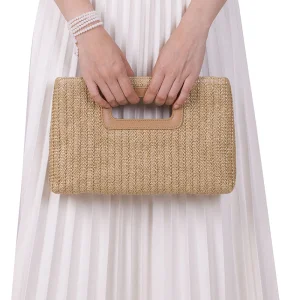
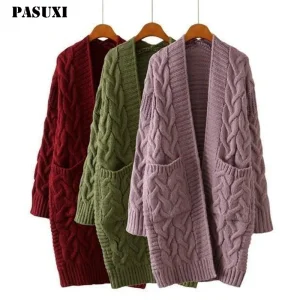
The global homewear and loungewear market has transitioned through a massive paradigm shift. Once categorized as simple, functional indoor attire, modern women's homewear has evolved into a key fashion segment that combines structural design with casual elegance. Driven by remote work trends, health awareness, and shifting consumer demographics, global audiences are increasingly seeking "hybrid" garments—wardrobe options that function seamlessly as office apparel, comfortable indoor leisurewear, and athleisure activewear.
In modern supply chains, homewear demands a balance between soft-touch tactile comfort and durable performance. The growth of this industry highlights an urgent need for smart manufacturing processes. Production facilities must adapt to the demand for multi-material blending, high-stretch recovery yarns, and eco-friendly dyeing. Successful apparel brands choose manufacturing partners who offer more than basic cut-and-sew services. They look for manufacturers with R&D capabilities in material science, predictive supply chain management, and design resources that align with current fashion trends.
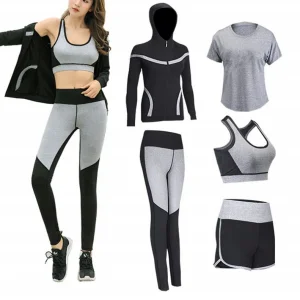
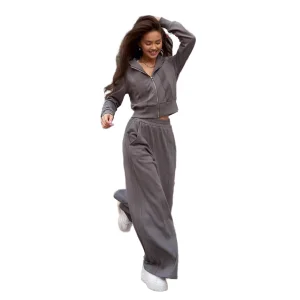
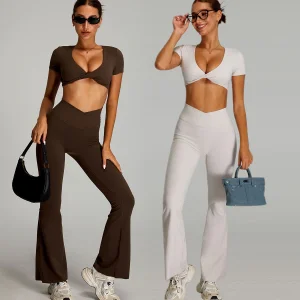
The lines between sleepwear, activewear, and street fashion are blurring. Consumers demand versatile garments like coordinates, knit cardigans, and stylish sets suitable for home routines and casual outings.
Environmental responsibility is a priority. Buyers actively seek organic cotton, modal, bamboo fibers, and recycled polyester blends. These options provide luxury texture while reducing carbon footprint.
Integrating smart textiles—such as moisture-wicking fibers, temperature-regulating fabrics, and anti-static materials—improves the everyday wearing experience of standard homewear products.
In the B2B fashion industry, sourcing managers face the challenge of balancing premium product quality with cost efficiency, flexible minimum order quantities (MOQs), and reliable production timelines. In a fast-changing market, a delay in supply can result in missed seasonal sales opportunities. Therefore, partnering with a supplier that maintains vertical manufacturing capabilities from fabric sourcing to final logistics is essential.
Our flexible business model accommodates both custom original designs (OEM) and ready-to-label manufacturer portfolios (ODM). We offer custom logo applications, bespoke embroidery, custom hardware, and personalized packaging solutions. This allows brands to customize products to suit their local market preferences.
Operating from Guangzhou, the center of Southern China's historic textile industry, we maintain direct relations with top-tier raw material suppliers. This secure connection protects our partners from sudden fluctuations in fiber costs, ensures reliable raw material sourcing, and supports stable production lead times.
Established in 2012, Guangzhou Dahab Fashion Co., Ltd. is a professional women's clothing manufacturer based in the garment hub of Guangzhou, Guangdong, China. We specialize in the design, development, and production of high-quality fashion apparel for international brands, wholesalers, retailers, boutique stores, and fast-growing e-commerce businesses.
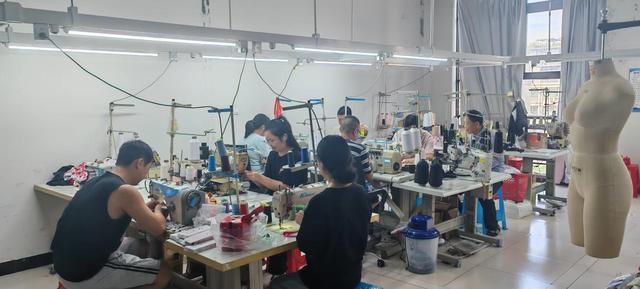
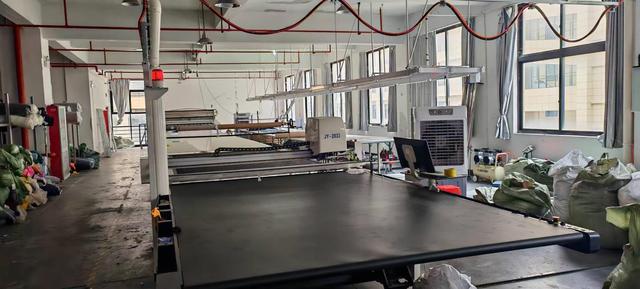
Operating from a modern manufacturing facility spanning over 16,000 square meters and staffed by more than 260 skilled employees, we provide end-to-end garment manufacturing solutions. Our product range includes casual wear, fashion dresses, blouses, tops, skirts, knitwear, outerwear, loungewear, business attire, and seasonal fashion collections. By combining market-driven design concepts with efficient production capabilities, Dahab Fashion helps clients build competitive apparel collections that align with shifting consumer demands.
Our development team continuously monitors global textile innovations, selecting materials that offer comfort, shape retention, and wear resistance.
Utilizing computer-aided design (CAD) systems, our pattern makers translate conceptual designs into accurate digital templates, ensuring consistent sizing across styles.
Quality management is built into every step of our process. From raw fabric testing and cutting to sewing, finishing, and final audits, we maintain rigorous standards.
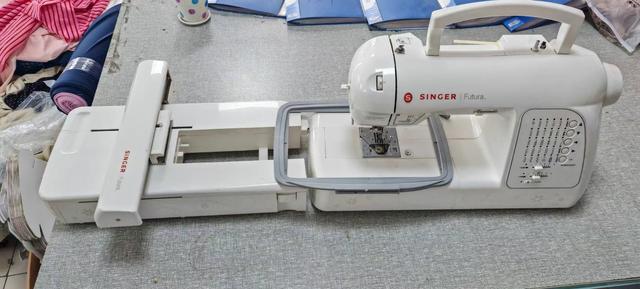
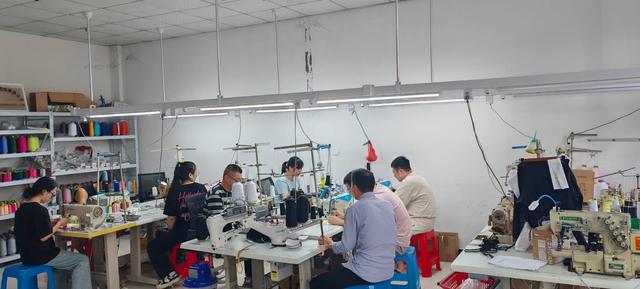
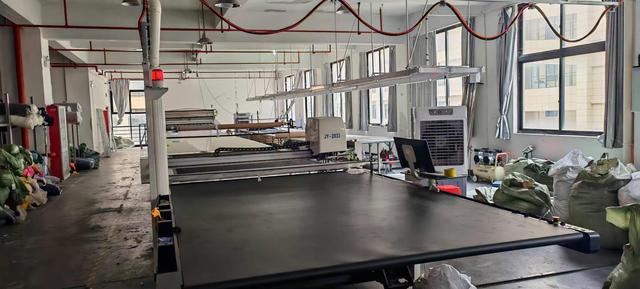
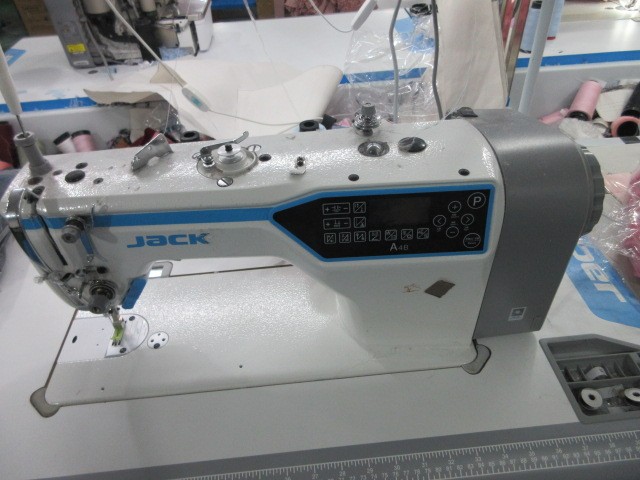
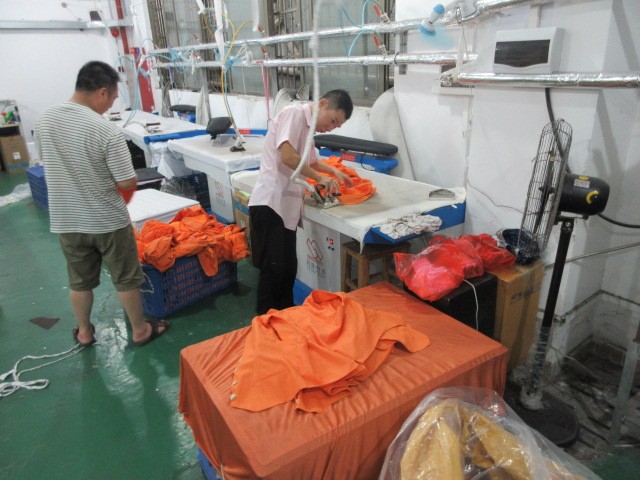
Our manufacturing facility features streamlined cutting areas, high-speed sewing lines, dedicated ironing units, and clean packing zones. This setup allows us to run multiple product lines simultaneously, ensuring we can handle bulk orders efficiently while maintaining attention to detail on smaller specialty runs.
Modern retail demands agile solutions that go beyond basic order fulfillment. To help our clients succeed in competitive markets, we offer structured services designed to streamline the procurement process.
Our quality control protocols follow international AQL standards. We perform tensile tests on seams, shade-matching checks on dye batches, and pre-shrinkage processes to ensure our garments stand up to repeated wear and commercial washing.
We maintain structured relationships with shipping agents and major logistics networks. This allows us to offer optimized routes for sea, air, and express rail transport, helping our clients keep their stock levels stable.
We are focused on adopting digital manufacturing and eco-friendly processes. Our technical roadmaps guide us in integrating sustainable practices across our production workflows.
We are working to integrate 3D prototyping tools that allow clients to view digital renders of garments before physical samples are created. This helps reduce material waste and shortens design cycles.
We prioritize working with dye houses that use closed-loop water filtration and OEKO-TEX certified chemical compounds. This ensures our fabrics are safe for end consumers and minimize local ecological impact.
We use CAD layout optimization to maximize fabric yield, keeping material scraps to a minimum. Leftover textile trimmings are collected and sent to local recyclers to support circular production loops.
Exporting apparel requires strict compliance with varying international regulations. Our management ensures that all exported items comply with the target market's safety and labor standards.
Whether exporting to North America, Europe, Australia, or the Middle East, our apparel complies with local guidelines, including REACH chemical limits, US CPSIA safety standards, and regional packaging rules. This helps prevent delays during customs clearance.

 Dahab Fashion