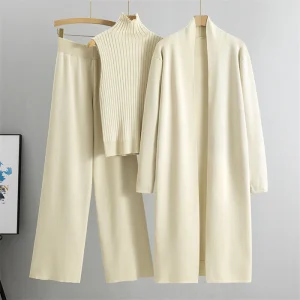
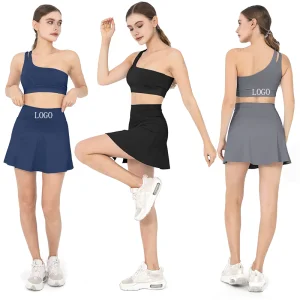
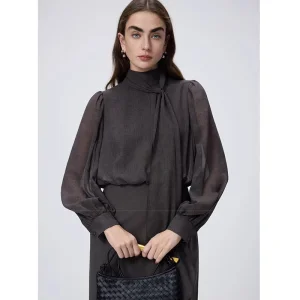
In the hyper-competitive global landscape of contemporary retail, procuring high-caliber women's fashionable footwear and apparel requires more than just identifying assembly plants. It demands integrating with a high-flexibility, technologically mature manufacturing partner. As global consumption dynamics transition toward rapid cycle rotations, supply chain resilience, and stringent ethical compliance, leading fashion conglomerates, independent boutique chains, and digital-native DTC brands are shifting their sourcing matrices. They look to manufacturers capable of merging aesthetic innovation with technical quality.
This whitepaper dissects the operational parameters, regional advantages, and technical frameworks that modern fashion brands must assess to optimize their product development cycles. Whether managing high-heel lasting precision or custom garment tailoring, selecting a primary exporter involves auditing their industrial capabilities, sustainable material sourcing, trade compliance certifications, and localized logistics support.
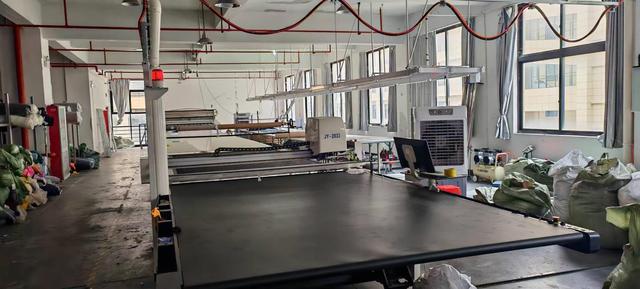
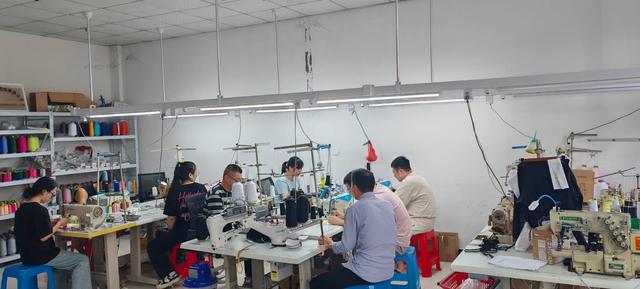
Guangzhou Dahab Fashion Co., Ltd. is a professional women's clothing manufacturer located in Guangzhou, Guangdong, China. Established in 2012, the company specializes in the design, development, and production of fashion apparel for international brands, wholesalers, retailers, boutique stores, and e-commerce businesses. With a modern manufacturing facility spanning over 16,000 square meters and a workforce of more than 260 skilled employees, Dahab Fashion provides comprehensive OEM and ODM garment solutions to customers worldwide.
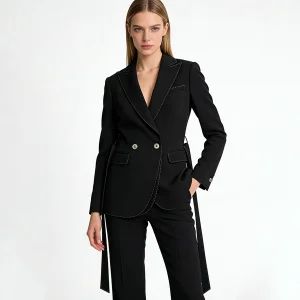
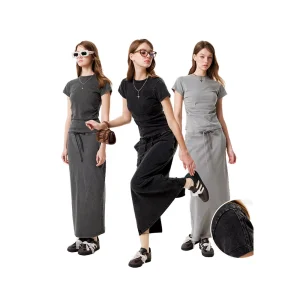
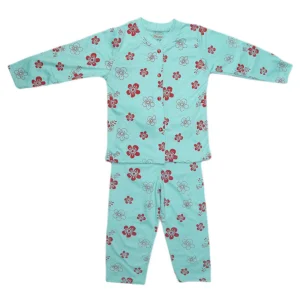
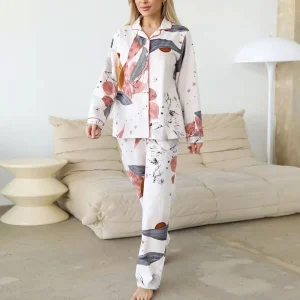
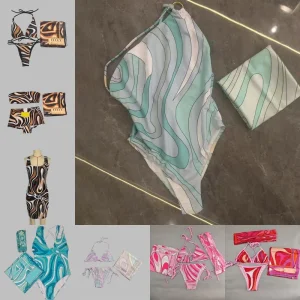
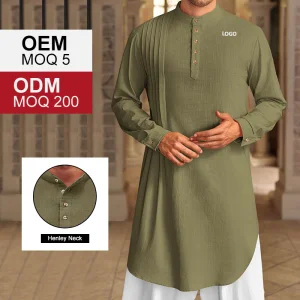
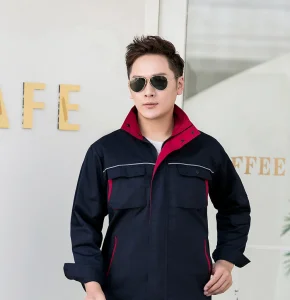
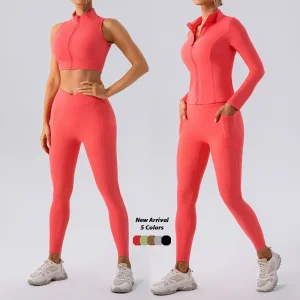
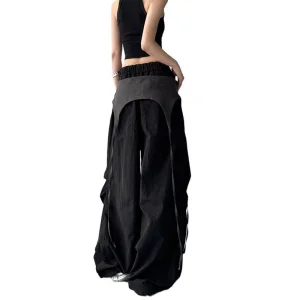
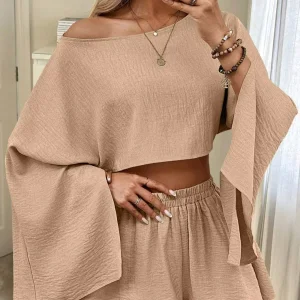
The company offers a diverse range of women's clothing products, including casual wear, fashion dresses, blouses, tops, skirts, knitwear, outerwear, loungewear, business attire, and seasonal fashion collections. By combining market-driven design concepts with efficient production capabilities, Dahab Fashion helps customers create competitive apparel collections that meet changing consumer preferences across global markets.
Supported by an experienced design and product development team, the company continuously monitors international fashion trends, fabric innovations, and garment technologies. This enables Dahab Fashion to deliver stylish, functional, and commercially viable products while supporting customers with collection planning and product customization.
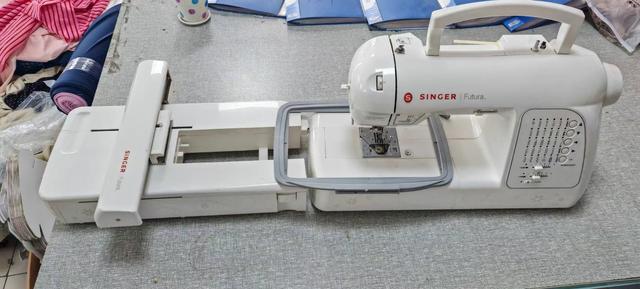
Quality management is integrated throughout the manufacturing process. From fabric sourcing and pattern development to cutting, sewing, finishing, and final inspection, every stage is carefully controlled to ensure consistency, durability, and customer satisfaction. The company also provides flexible private-label services, including logo application, custom packaging, fabric selection, and branding support.
With products exported to North America, Europe, the Middle East, Australia, and other international regions, Guangzhou Dahab Fashion Co., Ltd. has established long-term partnerships with clients seeking reliable apparel manufacturing solutions. The company remains committed to innovation, quality, and professional service as a trusted women's clothing manufacturer providing fashion apparel, casual wear, and OEM ODM garment solutions worldwide.
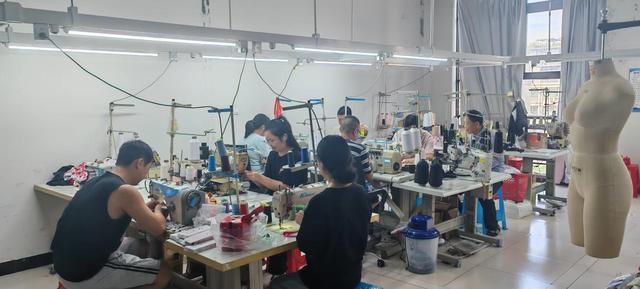
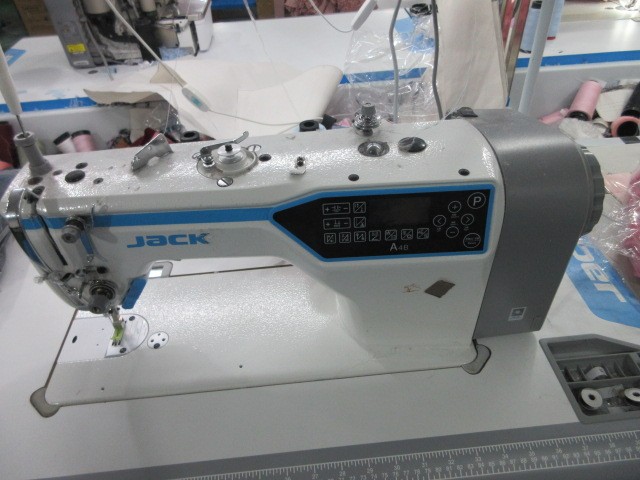
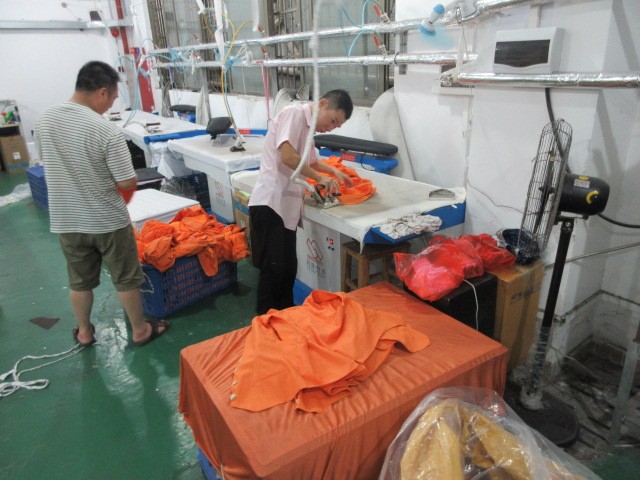
Guangzhou stands as the global capital for fashion apparel and accessories manufacturing. This status is built on a highly integrated industrial cluster that enables lightning-fast turnarounds, unmatched material access, and advanced specialized labor. For global brands sourcing women's fashionable footwear and complementary luxury apparel, the Pearl River Delta offers unique efficiency advantages.
Direct access to the Shiling Leather Market and Zhongda Fabric Market allows Dahab Fashion to source premium components—from vegetable-tanned leathers to technical high-stretch knits—within hours.
Decades of concentration in pattern drafting, upper lasting, stitch execution, and digital fashion engineering have built a deep pool of highly trained, specialized technicians.
Located near major deepwater ports in Nansha, Shenzhen, and Hong Kong. This ensures rapid global distribution, cutting down shipping lead times for time-sensitive seasonal collections.
Enterprise-scale purchasers require flexible service models that minimize financial exposure while maintaining high product quality. Sourcing agents look for manufacturers that support both Original Equipment Manufacturing (OEM) and Original Design Manufacturing (ODM) options.
Dahab Fashion operates a comprehensive digital design workflow. When a client submits conceptual schematics, our design and product development team translates them into highly precise, production-ready specifications. This workflow includes:
Exporting fashion goods to highly regulated markets like North America, the European Union, and the United Kingdom requires strict adherence to international legal guidelines. Failing to comply can lead to costly border delays, product seizures, or severe damage to a brand's reputation.
All materials—especially genuine leathers, PU coatings, and metal hardware—undergo laboratory analysis. This testing ensures they are free from restricted azo dyes, heavy metals (like lead and cadmium), phthalates, and formaldehyde, meeting EU REACH and US California Proposition 65 standards.
Our production facilities operate under clean, safe, and fair conditions. We maintain strict compliance with labor guidelines, guaranteeing fair wages, safe workplaces, and reasonable working hours. This provides transparent ESG credentials for modern corporate audits.
We provide full support for complex international customs paperwork, including detailed Harmonized System (HS) classifications, Certificates of Origin, and complete packaging manifests. This minimizes delays at major ports like Los Angeles, Rotterdam, and Hamburg.
The global apparel and footwear industry is undergoing a major transformation driven by digital integration and environmental responsibility. Manufacturers who want to stay competitive must adapt to these shifting market dynamics.
1. 3D Digital Sampling & Virtual Iterations: Brands are increasingly moving away from producing multiple rounds of physical samples. Using advanced 3D CAD modeling, design variations can be rendered digitally with high precision. This allows brands to assess fits, drape, and visual aesthetics before cutting any fabric, saving weeks in development time and drastically reducing material waste.
2. Circular Economy & Biodegradable Materials: Leading fashion houses are redesigning products with end-of-life cycles in mind. Key developments include water-based adhesives, bio-based PU, recycled polyester yarns, and biodegradable outsoles. These eco-friendly materials help brands appeal to environmentally conscious consumers and prepare for upcoming extended producer responsibility (EPR) regulations.
3. Data-Driven Micro-Runs: Predictive analytics allow brands to launch smaller initial batches of new styles. When a style performs well in real-time retail environments, they can quickly scale up production. This approach helps brands reduce inventory risk and avoid deep markdowns.
Consumer preferences and market demands vary significantly by region. Successful global brands rely on manufacturers who understand these nuances and design product lines accordingly.
Brands in this region typically look for versatile, durable activewear, loungewear, and street-casual footwear. Product collections focus on easy-care fabrics, robust stitching for daily wear, and clean, minimalist aesthetics designed for modern urban lifestyles.
European markets place a high emphasis on sustainability and premium craftsmanship. This translates to demand for organic textiles, certified non-toxic leather footwear, and sophisticated outerwear. Products must meet strict ESG compliance and transparent sourcing standards.
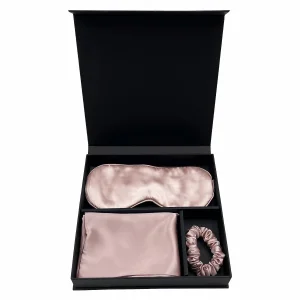
This segment demands high-end, premium collections featuring intricate details, rich textures, and elegant formal wear. Popular products include premium silk loungewear, high-quality embroidery, and statement footwear designed for luxury markets.
MOQs depend on the style and fabric selected. For standard styles using readily available materials, MOQs can be flexible. For custom-dyed fabrics or bespoke hardware, higher MOQs are generally required to cover set-up and material runs. Please contact our sales team to discuss requirements for your specific collection.
Quality control is integrated into every step of our process. We perform initial incoming material checks, conduct inspections during sewing and assembly, and carry out a final 100% inspection before packaging. This ensures every piece meets international export standards and matches the approved golden sample.
Initial design prototypes and sample styles are generally completed within 7 to 10 working days, depending on pattern complexity. Bulk production run timelines usually range between 30 and 45 days after the final pre-production sample is approved and the deposit is confirmed.
Yes, our facilities undergo regular audits to ensure compliance with key international standards, including BSCI and SMETA. We guarantee fair compensation, safe working conditions, and reasonable work hours. We also prioritize working with suppliers who hold OEKO-TEX and REACH certifications for raw materials.
 Dahab Fashion