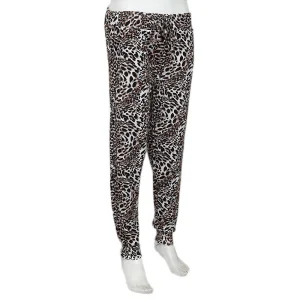
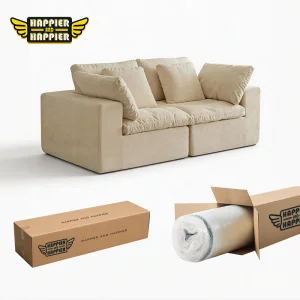
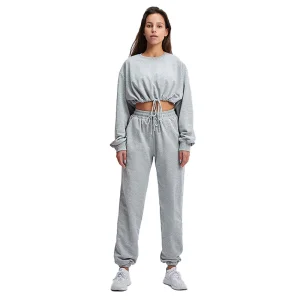
Explore our specialized apparel line, custom-engineered for maximum wear-comfort, adaptive stretch profiles, and structural shape recovery.
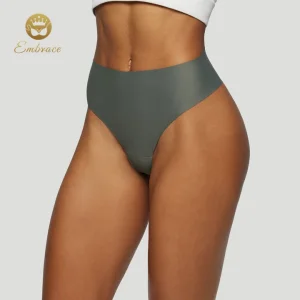

The global women's curvy and plus-size fashion sector is undergoing a massive transformation. Historically categorized as a marginal line-extension, inclusive sizing has transitioned into a dominant market force, representing a projected valuation of over USD 280 Billion by 2026. However, engineering high-performance garments that accommodate diverse anthropometric figures demands much more than simply multiplying flat measurements. It requires complex 3D draping simulation, advanced fabric blend optimization, and structural reinforcement.
To maintain commercial competitiveness, brands must move away from generic production models. The modern standard demands partnerships with dedicated manufacturers who deeply understand the physics of garment performance on curvy silhouettes. These specialized facilities combine physical design mastery with digital pattern scaling to ensure that fashion, structural support, and long-term durability coexist harmoniously.
Information Gain Insight: The core failure of standard apparel factories attempting plus-size production lies in simple mathematical scaling. Standard size grading increases width and length uniformly. True curvy pattern engineering requires adaptive grading, shifting seam placements, expanding sleeve openings, and reshaping armholes to prevent underarm chafing and bust pulling.
As the epicenter of global apparel manufacturing, the Guangzhou region of Guangdong Province offers unparalleled structural advantages for curvy fashion production. These benefits go far beyond basic labor cost metrics:
Guangzhou manufacturers sit directly adjacent to the world's most advanced fabric R&D hubs, including the renowned Zhongda textile markets. This close proximity allows immediate access to specialized knit constructions, such as high-gauge interlock knits with double-wrapped elastane cores. These materials are essential for high-performance curvy garments, ensuring optimal modulus retention and preventing fabric bagging or shearing at points of maximum stress.
Guangzhou's manufacturing infrastructure features state-of-the-art Gerber and Lectra CAD software integrated with 3D virtual fitting systems. This technology enables rapid testing of fabric stretch recovery rates over digital avatars of varying body types. It significantly reduces sampling cycles from weeks to just days, optimizing design iterations before a single physical cut is made.
The manufacturing cluster in Guangzhou brings together yarn spinners, dye houses, trim suppliers, high-precision laser-cutting mills, and experienced shipping lines in close geographical proximity. This concentration streamlines logistics, optimizes quality control cycles, and drastically shortens lead times. The result is a highly responsive supply chain capable of handling rapid-turn reorders for fast-moving retail brands.
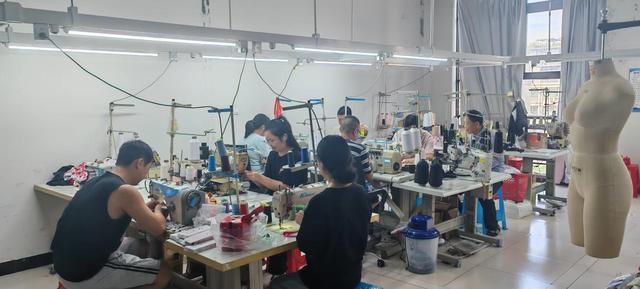
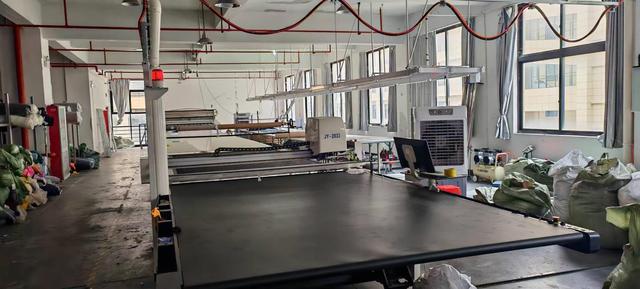
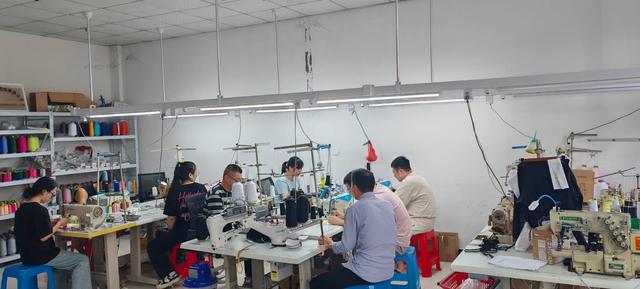
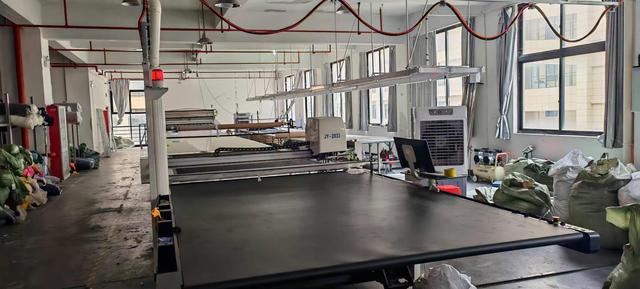
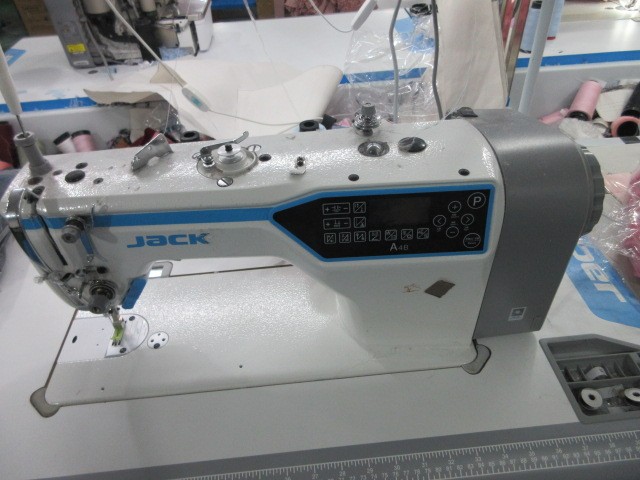
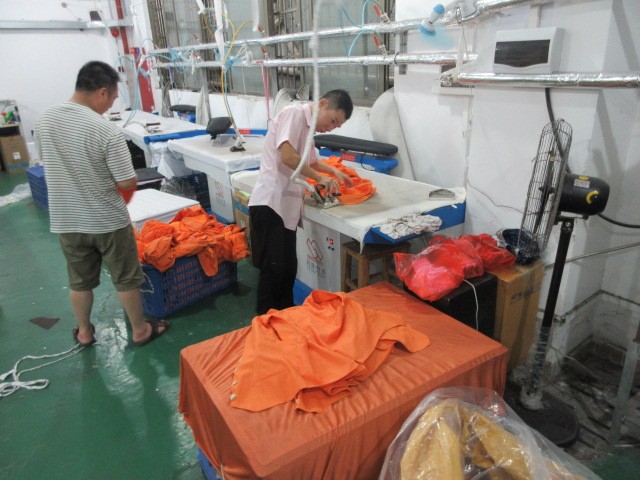
Underpinned by modern infrastructure, our production lines are designed to handle complex private-label development and massive manufacturing orders.
Established in 2012, Guangzhou Dahab Fashion Co., Ltd. has positioned itself as an industry-leading partner for global retail brands seeking precision-engineered women’s apparel. Spanning a modern manufacturing footprint of over 16,000 square meters and powered by a dedicated workforce of more than 260 skilled operators, Dahab Fashion integrates full-lifecycle OEM and ODM solutions.
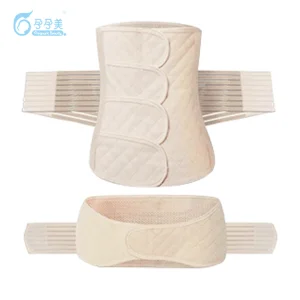
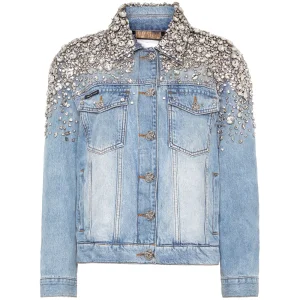
Unlike conventional manufacturers that struggle with size-inclusive adjustments, Dahab Fashion maintains dedicated lines for design, development, and technical validation. This approach ensures that every piece—whether a structured denim jacket, a seamless knit thong, or a high-performance maternity support belt—aligns with the complex physical requirements of plus-size and curvy wearers.
Sourcing premium yarns with high elastic recovery. We prevent bagging, puckering, and fabric failure during intense wear cycle testing.
From initial design concepts to bespoke packaging, woven neck labels, and complex size-run configurations, our team delivers market-ready products.
Strict inspection protocols govern every stage: raw material evaluation, cutting, in-line stitching audits, and final dimensional validation.
Dahab Fashion's global reach spans across North America, Europe, the Middle East, and Australia. By keeping pace with rapid material developments and international sizing updates, the company delivers commercially viable fashion solutions that combine elevated aesthetics with exceptional comfort.
Get an inside look at our advanced manufacturing lines, quality control bays, and product development showroom.
Global brands and online businesses face unique challenges when managing curvy fashion lines. Success in this category requires balancing precise fits with efficient inventory management.
Modern consumer demand has shifted away from restrictive shapewear toward comfortable, everyday support. To meet this need, mills are utilizing advanced fiber compositions, blending high percentages of Invista Lycra with moisture-wicking Modal, organic cotton, or recycled nylon. These fabric blends undergo heat-setting processes to guarantee less than 3% shrinkage and maintain structural recovery even after 100 industrial wash cycles.
Integrating virtual drape modeling allows brands to visualize stress and tension patterns on digital avatars of various body shapes. This technology identifies potential fit issues, such as fabric pulling across the bust or sliding down the waist, before physical production. The result is a more reliable, consistent fit that helps brands lower return rates—a common challenge for e-commerce retailers.
Corporate buyers now require transparent, ethical production practices. Brands look for partners that hold standard certifications like GOTS (Global Organic Textile Standard), Oeko-Tex Standard 100, and BSCI (Business Social Compliance Initiative). Sourcing from facilities that prioritize non-toxic dyes, energy-efficient operations, and fair labor practices helps brands protect their reputation and meet sustainability goals.
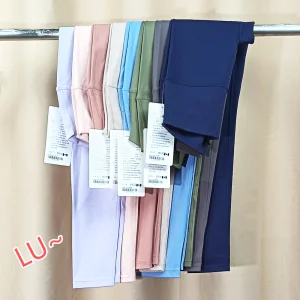
Optimization Strategy: Rather than sourcing basic shapes, forward-thinking brands are developing dual-purpose lines. For example, athleisure leggings with integrated pelvic support zones or dresses with built-in shapewear liners. These multifunctional garments offer clear value, driving higher retail margins and building stronger customer loyalty.
Consumer preferences and sizing standards vary significantly by region. A successful curvy line must adapt to these localized dynamics:
Dahab Fashion supports these regional needs with a comprehensive supply chain strategy. By offering flexible fabric choices and regional pattern grading, the company helps brands launch targeted, successful collections across diverse global markets.
Clear, detailed answers to the most common questions about curvy garment pattern making, logistics, and quality assurance.
Standard grading typically scales dimensions uniformly across all points. Curvy pattern grading, however, accounts for changing body proportions. It uses specific adjustments, such as deepening armholes, shifting shoulder points forward, widening bust and hip curves, and raising back rises. These changes ensure garments maintain a comfortable, balanced fit without pulling or riding up.
We work closely with trusted yarn suppliers to source high-modulus fabrics containing specialized elastane. We test all fabric batches for tensile strength, elongation, recovery, and colorfastness. This ensures the finished garments retain their shape, resist pilling, and maintain color depth even after repeated wear and washing.
Yes. Through our flexible manufacturing setup, we support lower minimum order quantities (MOQs) for initial market testing. Once a style proves successful, our integrated supply chain allows us to quickly ramp up production to meet high-volume, rapid-turn reorder demands.
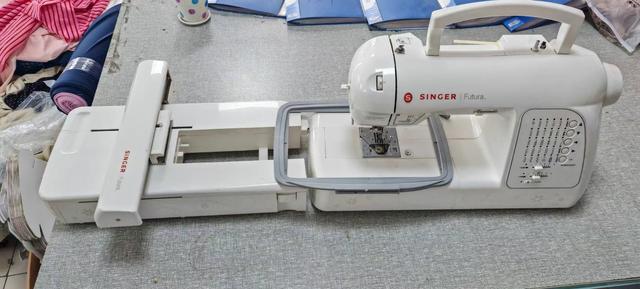
We offer full-service customization options, including custom main labels, care instructions, hangtags, and sustainable packaging. We also support specialized logo applications, such as heat-transfer prints, embroidery, and embossed details, ensuring a polished, market-ready presentation.
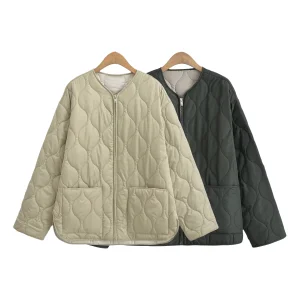
From fine organic cashmere to weather-resistant denim and structured winter wear, explore our highly technical outerwear categories.
 Dahab Fashion