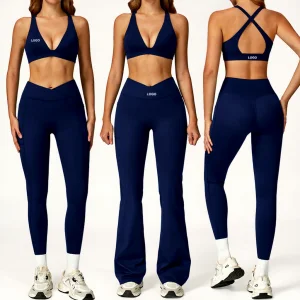
Exemplary designs engineered for extreme performance, active lifestyles, and contemporary aesthetics
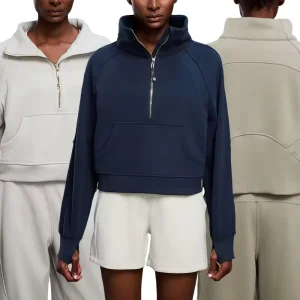
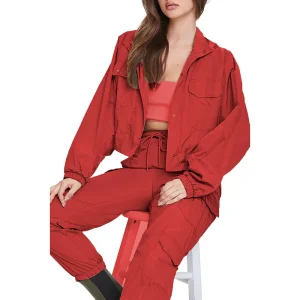
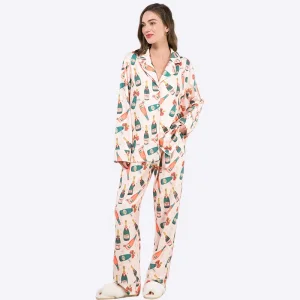
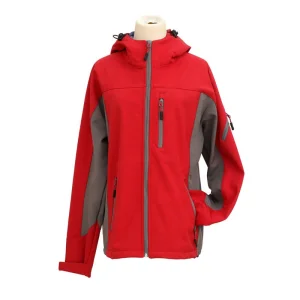
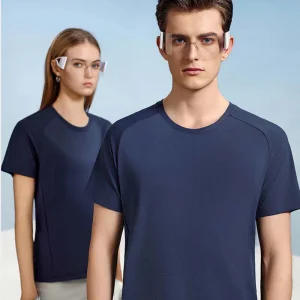
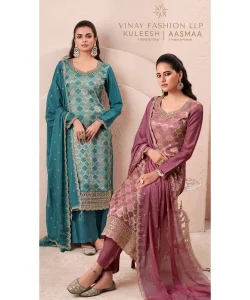
Guangzhou Dahab Fashion Co., Ltd. leads with systematic operations and end-to-end quality guarantees.
The global seasonal womenswear market is undergoing a monumental paradigm shift. Driven by algorithmic trend forecasting, shifts in geopolitical trade lanes, and a rapid transition toward sustainable materials, international brands must partner with agile manufacturing nodes that can translate digital demands into physical goods within compressed timeframes. Historically, fashion production operated on 6-month cycles; modern fast fashion and ultra-fast fashion have compressed this down to 10 to 15 days.
"Agility in seasonal sourcing represents the core differentiator for modern fashion brands. Those who fail to transition to quick-response apparel manufacturing suffer from terminal margin compression due to dead inventory."
According to comprehensive market insights, the global women's apparel industry reached an estimated valuation of USD 900 Billion in recent fiscal cycles and is projected to expand at a compound annual growth rate (CAGR) of 4.5% over the next decade. Within this space, Seasonal Fashion (Spring/Summer, Autumn/Winter, and Transition Capsule Lines) accounts for over 65% of the total revenue. Factors driving this segment include the expansion of e-commerce, the rise of niche social commerce platforms (TikTok, Instagram, and Pinterest), and the increasing purchasing power of Generation Z and Millennial cohorts who prioritize frequent wardrobe updates and functional streetwear.
How we integrate smart design systems and engineering metrics into our production facility in Guangzhou.
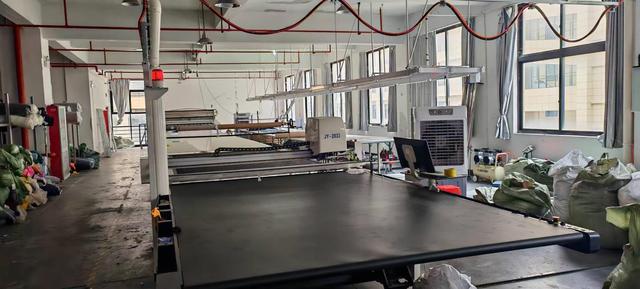
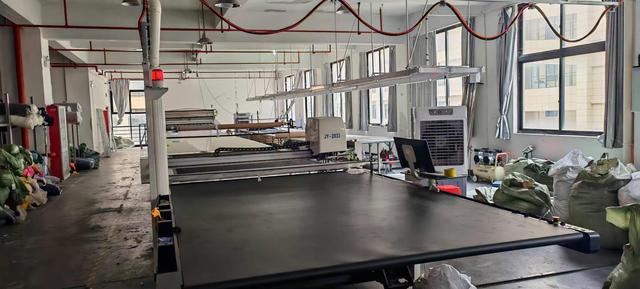
Utilizing high-precision digital pattern nesting systems to maximize fabric utilization by up to 94.5%, reducing material wastage and lowering cost per unit.
Accelerating the concept-to-sample process. Our dedicated design team converts complex design files and tech packs into physical samples in under one week.
Integrating four levels of quality checks spanning raw fabric inspection, in-line stitching audits, iron-setting measurements, and final export packing.
South China, specifically the Pearl River Delta region, remains the unmatched epicentre of global textile manufacturing. Guangzhou's textile infrastructure is not merely a cluster of standalone factories, but a highly synergistic, hyper-connected industrial ecosystem. Raw fiber production, yarn spinning, dye-houses, trim fabricators, pattern making studios, and cargo forwarding nodes all operate within a 2-hour driving radius. This concentrated proximity enables Dahab Fashion to minimize logistics lead times, react instantly to trend spikes, and maintain cost efficiencies that are impossible to replicate in fragmented supply markets.
Furthermore, Guangzhou's location guarantees access to China's premier ports (Nansha, Huangpu, Shenzhen) and international airports. For global e-commerce portals running on real-time fulfillment schedules, this means cargo can transition from a production line in Guangzhou to a consumer's doorstep in New York, London, or Sydney in under 12 days using expedited air transport lines.
As the international community converges around decarbonization, the apparel sector faces pressure to limit its environmental footprint. Modern consumers expect transparency in the production loop. In alignment with global environmental mandates, modern factories in Guangzhou are heavily investing in sustainable textile sourcing, utilizing organic cotton, recycled polyester, and plant-based fibers. This eco-centric shift is evident in items like the reversible print eco-friendly silk fabrics and organic cotton maternity wear, which minimize water consumption and harmful chemical runoffs. By utilizing clean dye technologies and implementing water reclamation systems in fabric finishing plants, Dahab Fashion helps global brands construct zero-waste supply lines that appeal to green consumers.
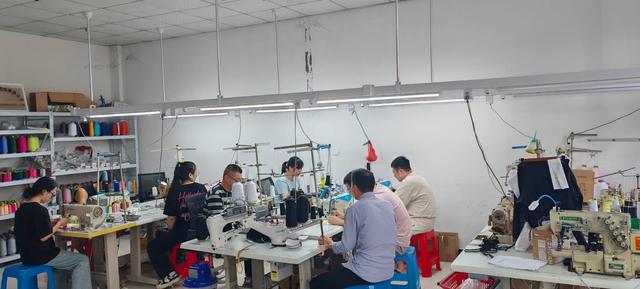
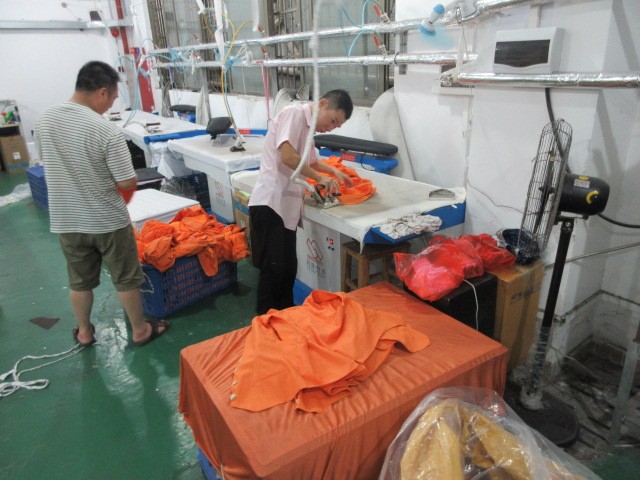
Based in the global apparel manufacturing heartland of Guangzhou, Guangdong, China, we operate a massive 16,000 square meter factory floor housing over 260 skilled operators, tailoring high-grade fashion collections for worldwide export.
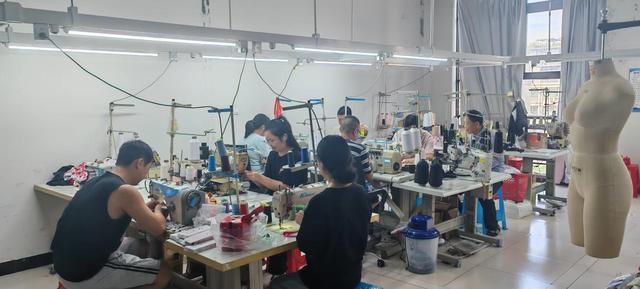
Developing functional seasonal wear requires combining material science with pattern engineering. In order to achieve global standards of fit, drape, thermal insulation, and breathability, we follow a rigorous, tech-enabled roadmap.
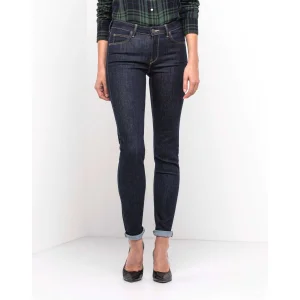
Our research and development team actively tracks search intent and micro-trends across international fashion markets. By analyzing structural changes in search queries (such as the rising demand for *quick-dry tracksuits*, *V-neck cross waist leggings*, and *vintage-washed micro-flared jeans*), we select raw materials that match real-world demand. Fabrics are tested for weight, color fastness, abrasion resistance, and fiber composition before they are sent to the cutting table.
Standardized sizing systems can be a major issue for online fashion retailers, often leading to high return rates. At Guangzhou Dahab Fashion, our CAD system features pre-programmed international sizing charts, including Asian, European, North American, and Middle Eastern profiles. Pattern adjustments are made digitally to accommodate diverse body types, particularly for specialized designs like plus-size sleepwear or maternity nursing shirts. This helps reduce product return rates from 30% down to under 5%.
"A millimetric adjustment in the rise of a pair of micro-flared denim jeans or the sleeve armhole depth of a softshell windbreaker determines whether a piece becomes a customer favorite or a returns liability."
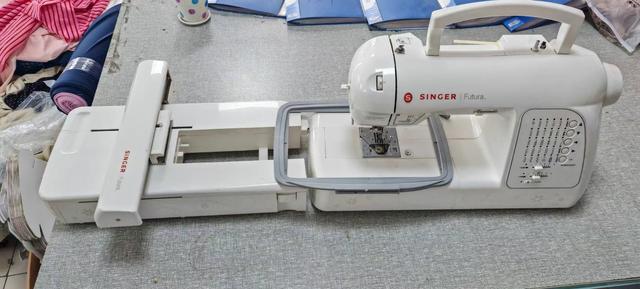
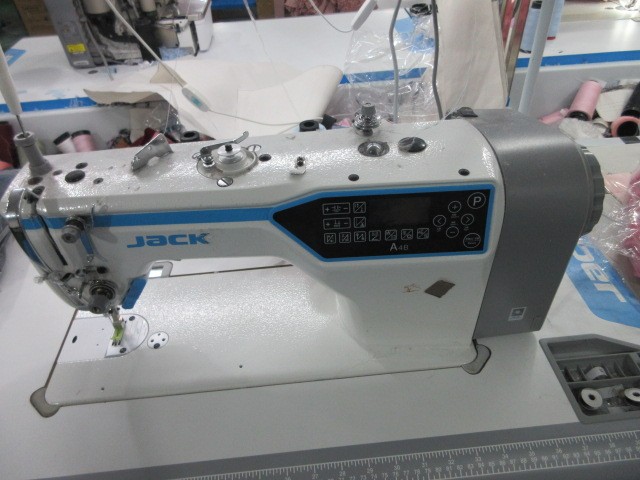
Our sewing floors are structured using lean manufacturing principles. Delicate operations like joining seams in *three-in-one waterproof windbreaker jackets* require seam-sealing machines to maintain weather resistance. For activewear, flatlock stitching machines are used to create zero-chafe, low-profile seams that withstand stretching. Overlock and double-needle stitching lines handle delicate fabrics like silk satin and premium cottons with minimal yarn slippage.
Garments are steam-pressed using industrial iron molds to lock in their shapes. They are then subjected to needle-detection testing to ensure maximum safety. Our flexible private-label services enable custom hangtag attachments, barcodes, polybagging, and transit-box configurations, delivering shelf-ready retail inventory directly to global distribution centers.
Comfort, modesty, and functionality combined in every thread
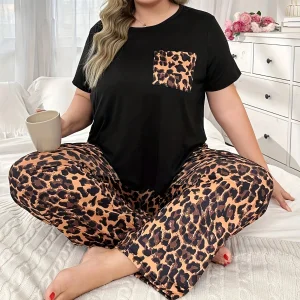
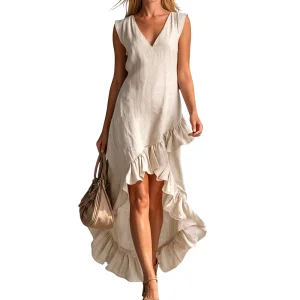
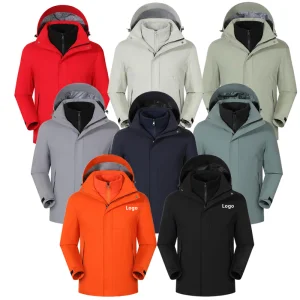
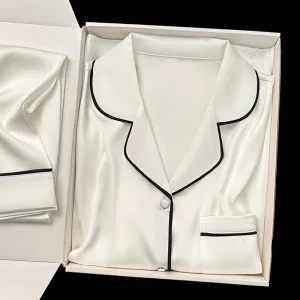
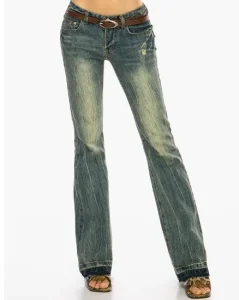
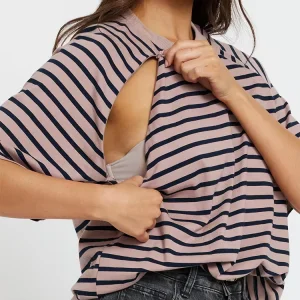
Since our founding in 2012, Dahab Fashion has grown into a highly reliable apparel manufacturing partner. With a modern 16,000 square meter facility and over 260 workers, we design, develop, and manufacture fashion apparel for international brands, wholesalers, e-commerce retailers, and boutique chains.
We work with clients from North America, Europe, the Middle East, and Australia. Our experienced product development team tracks international trend data and fabric innovations to deliver commercially viable garments. Quality control is integrated into every phase of production—from fabric sourcing and pattern grading to cutting, stitching, pressing, and final inspection—ensuring durability and consistent sizing.
Important answers regarding customs clearance, lead times, manufacturing options, and sourcing logistics.
 Dahab Fashion