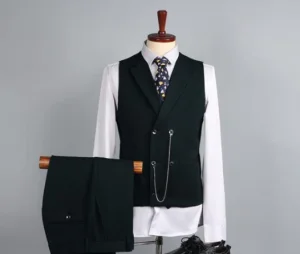
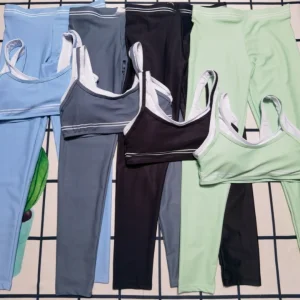
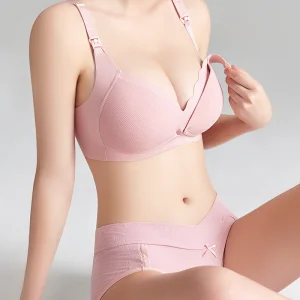
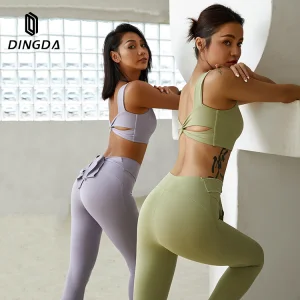
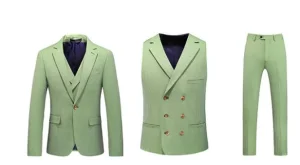
Explore our top-performing premium fabric lines and precision-cut silhouettes optimized for boutique brands and international distribution.
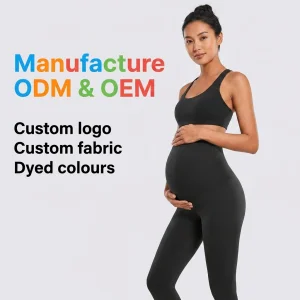
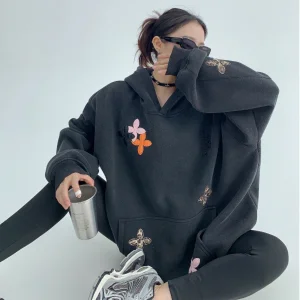
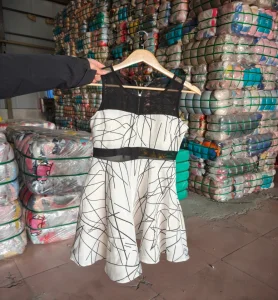
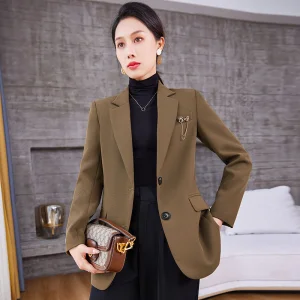
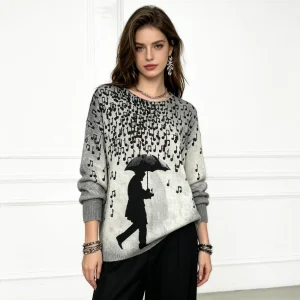
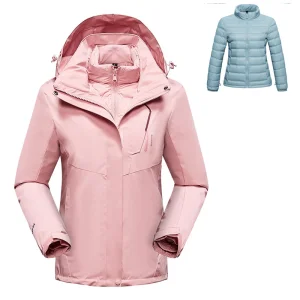
Modern Smart Facility
Technicians & Tailors
Rapid ODM Sampling
Factory Quality Pass Rate
The global women’s apparel market is no longer driven by traditional, long-cycle seasonal orders. Instead, it is governed by algorithmic demand, hyper-segmented buyer groups, and an absolute necessity for supply chain agility. Brands that succeed today are those that can transition a concept to physical inventory within a 14-day window. This rapid turnover requires a deep integration between design, raw material sourcing, and localized digital garment factories.
As sustainability regulations tighten in North America and Western Europe, modern fashion buyers must prioritize manufacturing partners that deploy smart technology to limit waste. Sustainable production is no longer just a marketing slogan; it is a regulatory reality. B2B buyers now seek manufacturing plants that incorporate digital CAD software, smart fabric optimization systems, and automated precision cutting tables. These technologies maximize efficiency while minimizing carbon footprints.
Modern sourcing directors must pay close attention to several clear shifts in the market:
The concept of "Factory 4.0" is redefining southern China's apparel clusters, specifically within the Guangzhou garment manufacturing ecosystem. Historically reliant on massive workforces and manual assembly lines, modern factories in Guangzhou have integrated cloud-connected ERP systems, automated spreading machines, and AI-driven quality inspection benches.
By digitizing the entire production flow, factories can dynamically adjust production lines based on real-time data. A boutique brand testing a new line can place a low-MOQ (Minimum Order Quantity) test run. Once the market signals high demand, the factory's ERP automatically initiates bulk raw material purchases and schedules high-volume production. This seamless transition is completed in a fraction of the time required by traditional plants, minimizing inventory risks and capital lockup.
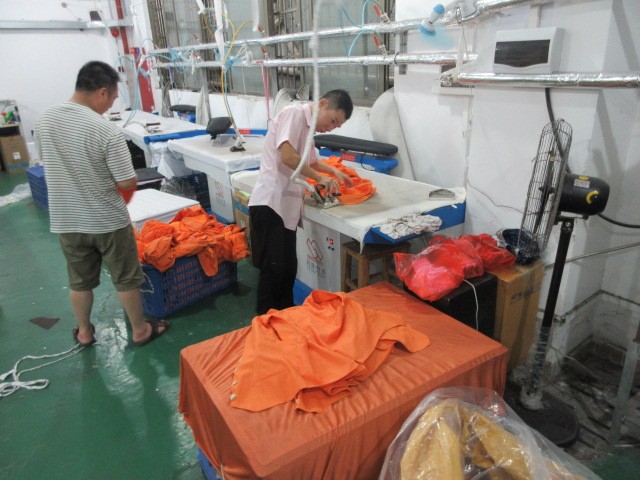
Established in 2012 in the heart of Guangzhou, Guangdong, China, Guangzhou Dahab Fashion Co., Ltd. serves as a prime example of an agile, technology-driven OEM/ODM fashion manufacturer. Spanning a modern facility of over 16,000 square meters, the company has scaled its operations to address the requirements of international brands, online boutique networks, and large-scale global wholesalers.
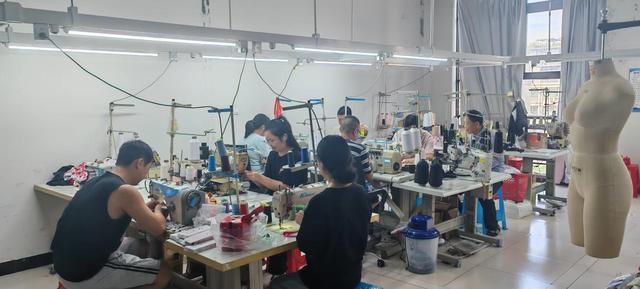
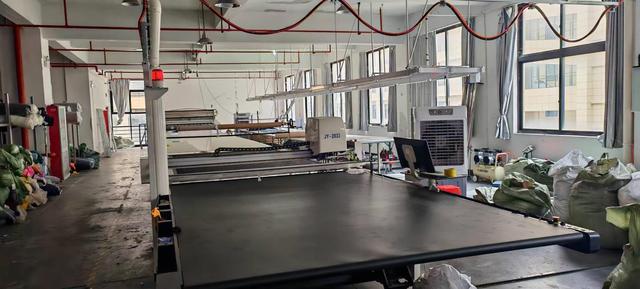
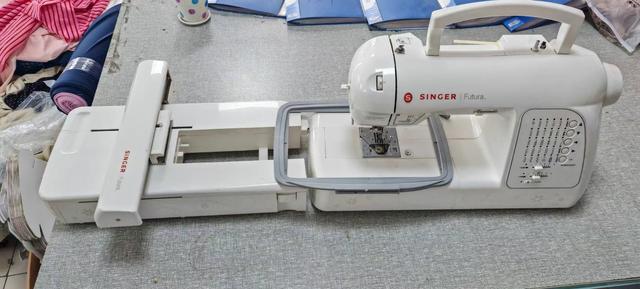
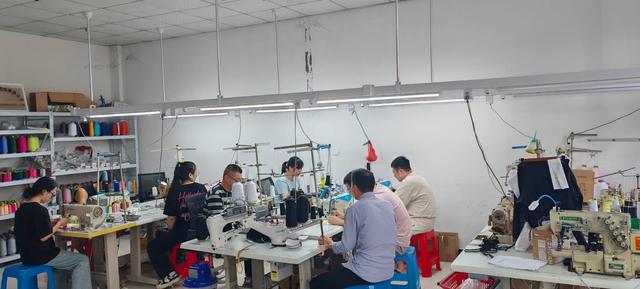
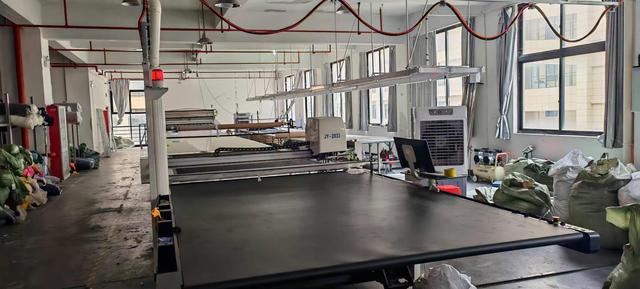
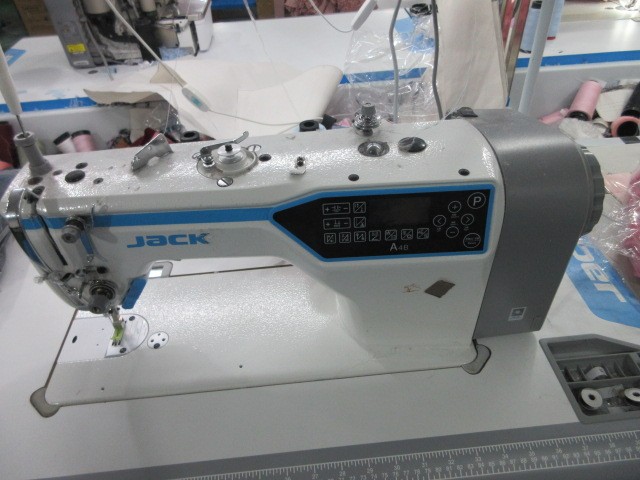
With a dedicated team of over 260 skilled operators, pattern makers, and quality controllers, Dahab Fashion covers the entire product lifecycle from digital pattern development to final secure packaging. Their versatile portfolio spans across fashion dresses, functional activewear, outerwear, high-grade knitwear, and corporate attire, positioning them as a premier one-stop supply partner in the East Asian region.
To maximize sales performance, brands must match their manufacturing strategy to their unique target market:
For custom patterns (ODM), sample development takes between 7 to 10 working days. Once the pre-production sample (PPS) is approved, bulk manufacturing generally takes 20 to 35 days, depending on the complexity of the design and fabric availability.
Quality control is integrated at every stage of production. It begins with incoming fabric inspections, moves to automated cutting to prevent dimensional deviation, and includes inline sewing checks. Every batch undergoes a final 100% manual inspection prior to packaging.
MOQs are flexible and vary by product type. Standard items like basic knitwear and simple knit tees typically require 100 to 200 pieces per style/color. High-complexity outerwear and specialized athletic pieces may have custom MOQ thresholds, which can be negotiated based on fabric sourcing requirements.
Yes. We offer complete private-label services. This includes weaving custom neck labels, printing barcode tags, design embossing, and supplying eco-friendly biodegradable garment bags to align with your brand's sustainability goals.
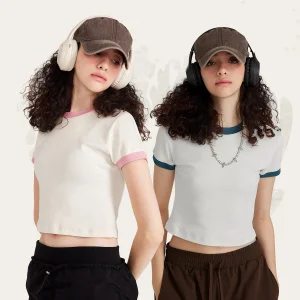
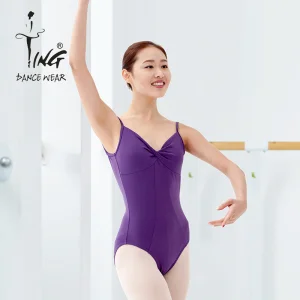
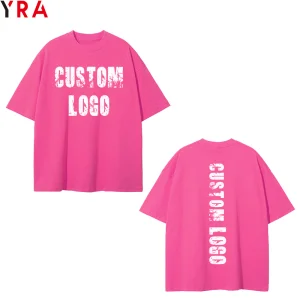
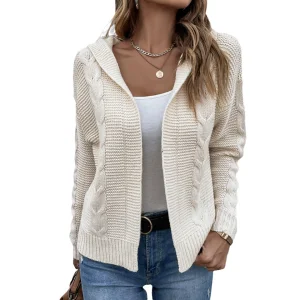
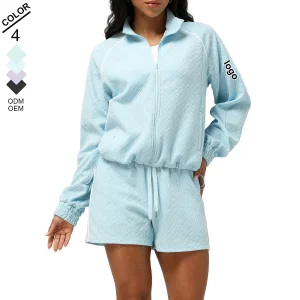
High-quality essential styles, from streetwear basics to formal party wear, designed to meet diverse consumer preferences.
 Dahab Fashion