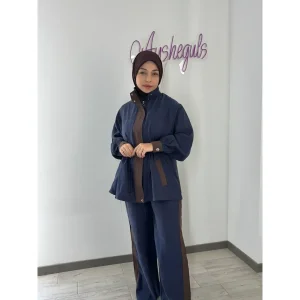
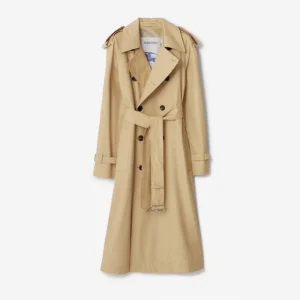
Explore our primary collections ranging from tailored suits to premium performance activewear engineered for international markets.
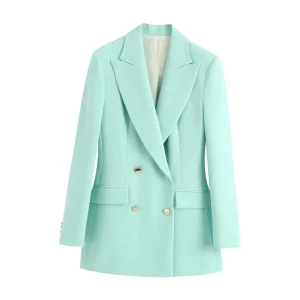
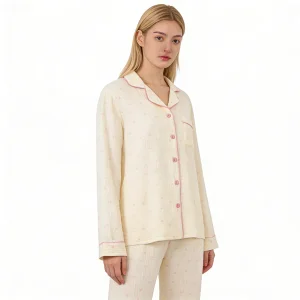
In the rapidly evolving landscape of global fashion commerce, sourcing executives face unprecedented challenges. The rise of algorithmic micro-trends, demand volatility, and heightening expectations around ecological and social governance are forcing fashion brands to re-evaluate their supply chains. Traditional, high-volume production paradigms are being swiftly replaced by agile, responsive, and data-driven systems.
This whitepaper addresses the core mechanisms that define the Top 10 Women's Specialty Fashion Suppliers and Exporters, with a key analytical focus on Guangzhou Dahab Fashion Co., Ltd. As a market leader, Dahab Fashion demonstrates how integrating smart CAD technology, modular factory layouts, and comprehensive compliance standards can mitigate the risks of high inventory depreciation and lead-time delays. Whether catering to North American boutiques or major European retail distribution networks, understanding the technical and regulatory capabilities of elite tier-1 manufacturers is critical for long-term strategic growth.
"Sourcing is no longer a search for the lowest unit cost. It is an optimization equation balancing lead time, fabric quality metrics, E-E-A-T credentials, carbon footprint, and digital compliance standards."
The "bullwhip effect"—where minor changes in consumer demand trigger disproportionately large fluctuations at the manufacturing level—has historically crippled fashion brands. In specialty womenswear, this vulnerability is amplified by the sheer diversity of fabrics, complex silhouettes, and seasonal demands.
Leading exporters manage these macro disruptions through three distinct solutions:
By implementing a Flexible Manufacturing System (FMS), brands can test the market with batches as small as 100-200 units, scaling production dynamically once actual sell-through data validates the style.
Suppliers secure un-dyed, base greige fabrics in volume, postponing custom coloring and pattern printing until specific season-driven micro-trends are fully verified by consumers.
Deploying 3D CAD modeling enables immediate photorealistic prototyping, removing the need for physical sample shipping cycles, and cutting sample approval times from weeks to hours.
Guangzhou, located in Guangdong Province, remains the undisputed epicenter of global apparel production. The concentration of advanced textile mills, accessory suppliers, dynamic logistical ports, and highly skilled technicians creates an unmatched manufacturing ecosystem. This proximity allows exporters to respond to complex changes in garment specifications with extreme speed.
Globally, markets are separating into two main paradigms: local high-cost regional manufacturing for ultra-luxury items, and high-efficiency international centers for ready-to-wear and specialty premium segments. The South China cluster bridges these sectors, leveraging modern machinery like computerized sewing lines, automated laser-cutters, and high-standard quality control processes to rival traditional high-end European garment makers.
Importing specialty womenswear into regions like North America, the EU, and Australia requires strict adherence to international trade regulations. For instance, textile imports into the European Union must comply with **REACH** regulations regarding chemical substances and dyes. Similarly, North American importers must satisfy **US CPSIA** and **FTC labeling regulations** (detailing precise fiber composition, country of origin, and care instructions).
A premium manufacturing partner like Guangzhou Dahab Fashion Co., Ltd. protects international brand assets by maintaining:
Not all fashion brands operate with the same supply chain parameters. Below are four key sourcing scenarios where Dahab Fashion's infrastructure aligns with diverse buyer expectations:
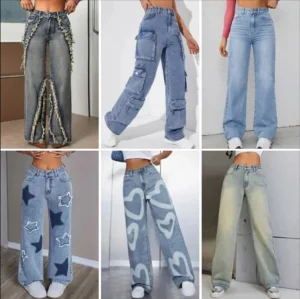
The Objective: Rapid deployment of trending casual wear with weekly inventory adjustments.
The Solution: Leveraging Dahab's agile ODM services. Utilizing pre-drafted pattern templates, digital fabric databases, and rapid-turnaround cutting lines allows catalog expansion without heavy upfront capital investments.
The Objective: Impeccable tailoring, dimensional stability, and luxury aesthetics.
The Solution: Utilizing Dahab's specialized business suits line. Pattern matching, inner lining structure reinforcement, and rigorous pressing processes ensure blazers and trousers hold their structure in retail spaces and home dry-cleaning.
The Objective: Four-way stretch, moisture-wicking properties, and flatlock stitch durability.
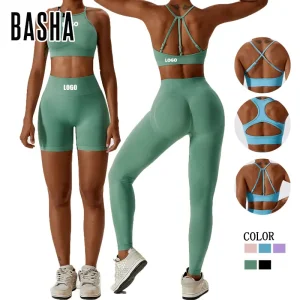
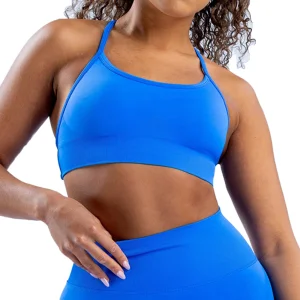
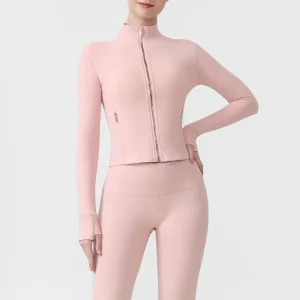
The Solution: Deploying Dahab's specialized seamless sports bra and yoga set production floor. Utilizing high-gauge circular knitting machines and specialized nylon-spandex yarn arrays prevents chafing and preserves structural elasticity over time.
The Objective: Ergonomic support structures, antibacterial finishes, and expandable panels.
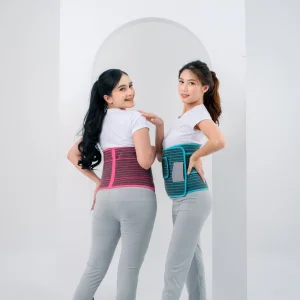
The Solution: Partnering with Dahab’s technical research team to manufacture full-support abdomen and back structures. Using quick-sweat absorption polyester and non-toxic materials guarantees safety and medical-grade comfort.
The apparel manufacturing industry is undergoing a digital transformation. Future competitiveness will be defined by how deeply a supplier integrates AI and data analytics into the physical assembly line. The digital roadmap of leading factories involves three sequential stages:
First, the transition to Fully Digital Pattern Nesting. By using mathematical algorithms, nesting software calculates the optimal placement of patterns on fabric rolls, reducing waste margins from a typical 12% down to under 4%. This directly lowers raw material costs for buyers while reducing ecological impact.
Second, RFID-tracked Smart Hanger Systems. Instead of manual sorting, garments move through assembly lines on automated overhead tracks. Built-in RFID chips send data to managers in real-time, detailing the processing time for each stage, highlighting production bottlenecks, and streamlining operations.
Finally, the introduction of Predictive Supply Networks. By linking factory systems directly with a brand's sales platform, manufacturing runs can trigger automatically as soon as safety stock drops below a certain limit. This seamless connection minimizes inventory risk and reduces the need for expensive warehouse storage.
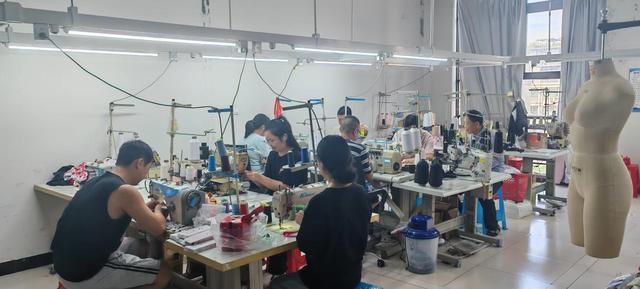
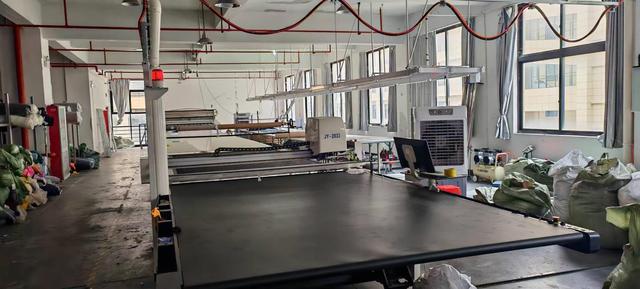
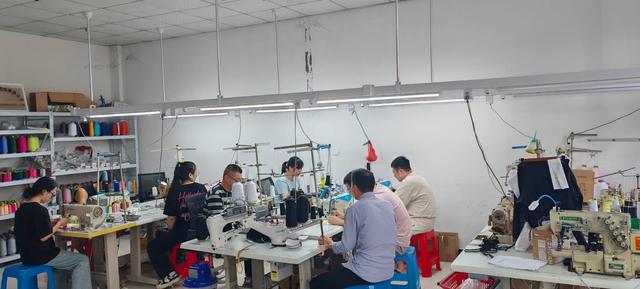
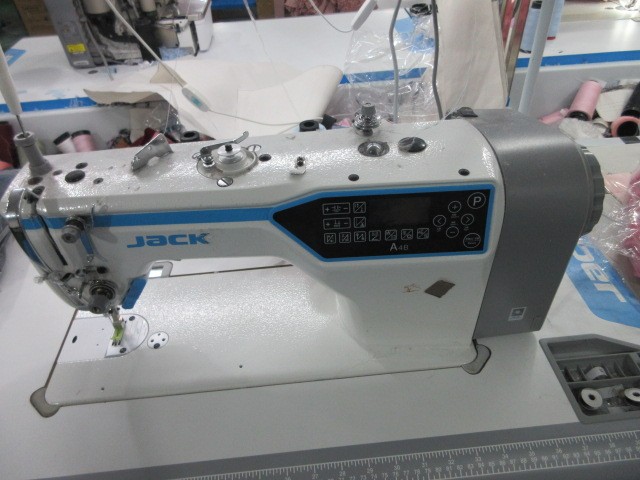
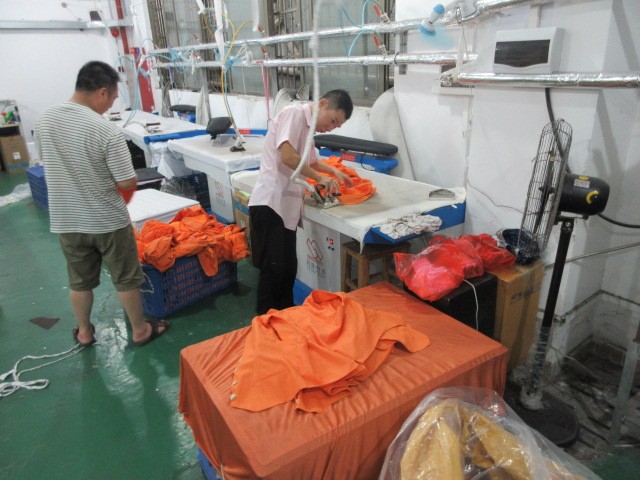
Guangzhou Dahab Fashion Co., Ltd. is a professional women's clothing manufacturer located in Guangzhou, Guangdong, China. Established in 2012, the company specializes in the design, development, and production of fashion apparel for international brands, wholesalers, retailers, boutique stores, and e-commerce businesses. With a modern manufacturing facility spanning over 16,000 square meters and a workforce of more than 260 skilled employees, Dahab Fashion provides comprehensive OEM and ODM garment solutions to customers worldwide.
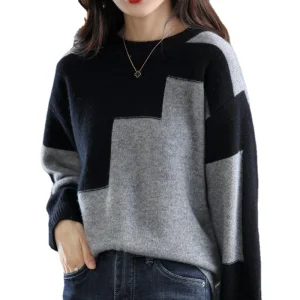
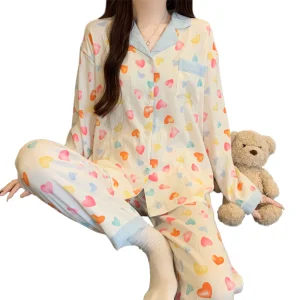
The company offers a diverse range of women's clothing products, including casual wear, fashion dresses, blouses, tops, skirts, knitwear, outerwear, loungewear, business attire, and seasonal fashion collections. By combining market-driven design concepts with efficient production capabilities, Dahab Fashion helps customers create competitive apparel collections that meet changing consumer preferences across global markets.
Supported by an experienced design and product development team, the company continuously monitors international fashion trends, fabric innovations, and garment technologies. This enables Dahab Fashion to deliver stylish, functional, and commercially viable products while supporting customers with collection planning and product customization.
Quality management is integrated throughout the manufacturing process. From fabric sourcing and pattern development to cutting, sewing, finishing, and final inspection, every stage is carefully controlled to ensure consistency, durability, and customer satisfaction. The company also provides flexible private-label services, including logo application, custom packaging, fabric selection, and branding support.
With products exported to North America, Europe, the Middle East, Australia, and other international regions, Guangzhou Dahab Fashion Co., Ltd. has established long-term partnerships with clients seeking reliable apparel manufacturing solutions. The company remains committed to innovation, quality, and professional service as a trusted women's clothing manufacturer providing fashion apparel, casual wear, and OEM ODM garment solutions worldwide.
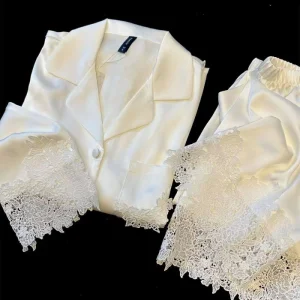
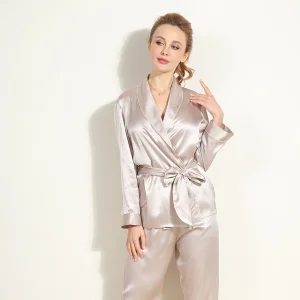
Discover our highly technical product ranges focusing on thermal properties, delicate satin structures, and orthopedic maternity wear.
 Dahab Fashion