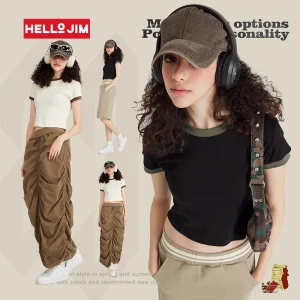
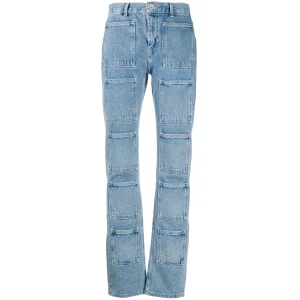
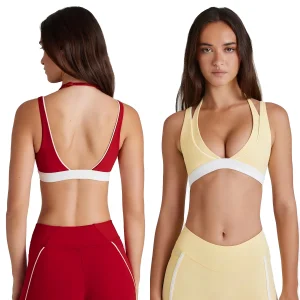
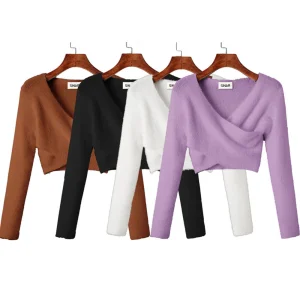
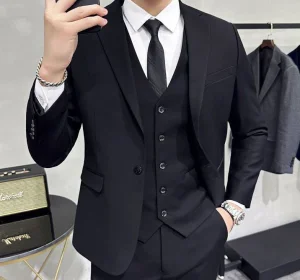
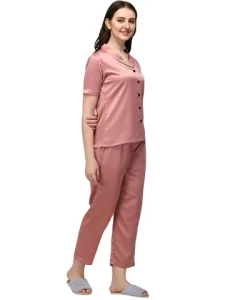
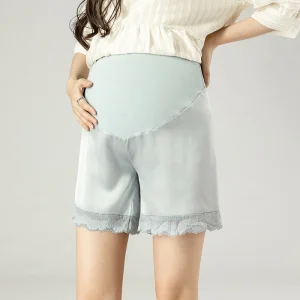
The global women's seasonal apparel landscape is transitioning from rigid biannual buying cycles to agile, micro-seasonal drops driven by digital consumer trends and demand-driven supply chains.
For global enterprise buyers, sourcing from the world's top 10 women's seasonal favorites suppliers requires an understanding of how manufacturers optimize production velocity without sacrificing E-E-A-T (Experience, Expertise, Authoritativeness, and Trustworthiness) standards. Modern user intent mining reveals that B2B procurement officers no longer search merely for "cheap apparel manufacturers." Instead, they seek strategic partners capable of mitigating inventory risks, navigating fluctuating material costs, and delivering high information gain through product design customization.
In this whitepaper, we dissect the core infrastructure that places leading exporters—such as those clustered in Southern China’s fashion corridors—at the pinnacle of the apparel export sector. We explore how facilities like Guangzhou Dahab Fashion Co., Ltd. leverage state-of-the-art technologies and geographic clusters to fulfill the demands of international brand owners, wholesalers, and e-commerce platforms.
The unparalleled density of the supply chain in Guangdong Province, China, enables manufacturers to compress lead times from months to weeks.
In Guangzhou, raw materials, trimming workshops, dye houses, and design studios operate within a 50-kilometer radius. This geographic proximity minimizes transport friction and speeds up material sourcing.
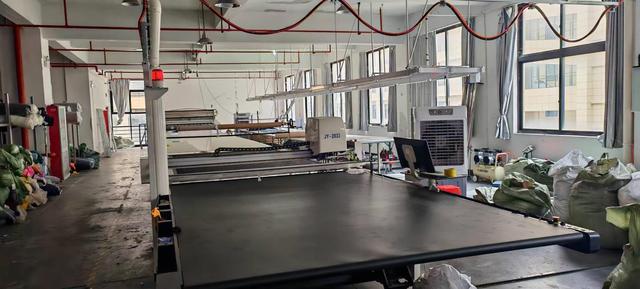
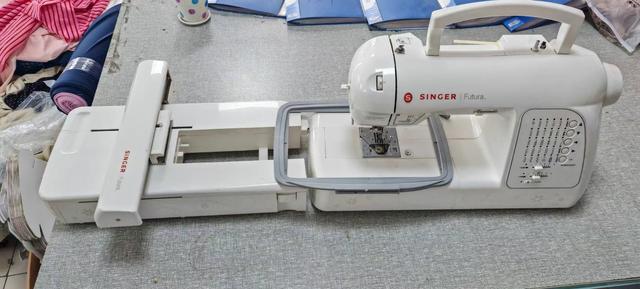
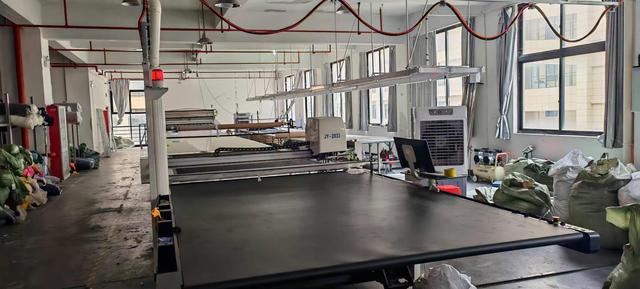
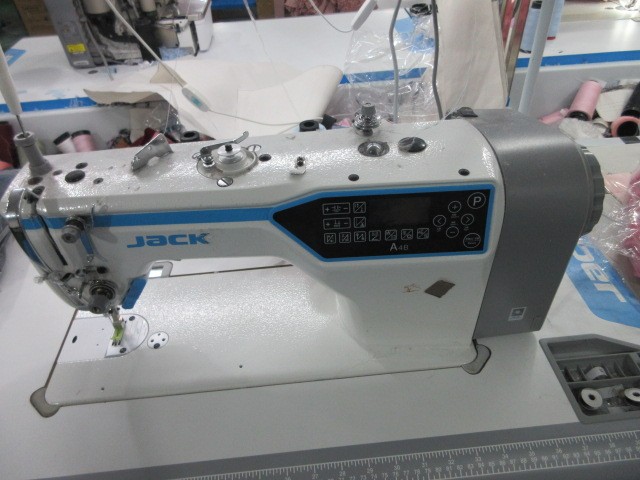
Top-tier factories integrate CAD/CAM pattern grading, automatic fabric cutters, and real-time ERP systems to trace production, reducing human error and material waste during scaling.
With years of specialized experience in delicate fabric handling (such as chiffon, lace, and high-stretch knits), local tailors maintain quality control across complex apparel structures.
By leveraging Guangzhou's central logistics hub, products can be dispatched via sea, air, or rail (China-Europe Express), allowing global brands to react swiftly to viral consumer trends. Guangzhou Dahab Fashion’s location right at the heart of this manufacturing nexus serves as a template for how modern exporters remain competitive on the global stage.
Procurement departments face constant headwinds: volatile raw material costs, supply chain bottlenecks, and changing compliance guidelines.
Leading B2B suppliers resolve these structural vulnerabilities through comprehensive service models. This section maps out the critical solutions that distinguish standard factories from world-class manufacturing partners:
Traditional factories demand thousands of units per style. Modern exporters offer flexible minimums (e.g., as low as 100-200 pieces for test batches), permitting buyers to validate market demand before placing high-volume orders, reducing dead-stock risk.
Top-tier teams utilize digital pattern drafting to translate concept sketches or tech packs into physical samples within 3 to 7 days. This allows fashion brands to present collections to their target audiences ahead of seasonal transitions.
Quality checkpoints must be integrated from the beginning. This includes fabric shrinkage and colorfastness testing, inline sewing checks, and final packaging audits. Certifications like OEKO-TEX Standard 100 and ISO 9001 ensure compliance with international markets.
Product categories are evolving as lines blur between performance sportswear, business apparel, and holistic wellness accessories.
Based on user search intent trends, search queries for functional clothing have risen significantly. Here are the core product trend tracks for the upcoming seasons:
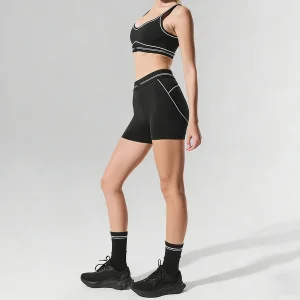
Consumers seek transitions from work environments to fitness activities. Features like moisture-wicking properties, four-way stretch Spandex/Polyester blends, and seamless structures (e.g., our 2026 Activewear Collection) are now standard expectations for daily wear.
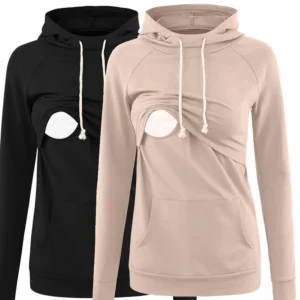
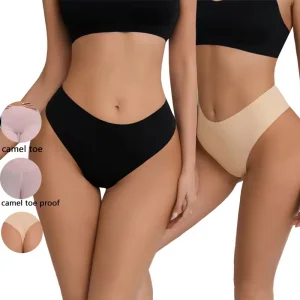
Maternity apparel is moving beyond basic loose cuts. Demand is growing for functional adaptations like easy-access nursing hoodies, adjustable belly-support lace shorts, and camel-toe prevention underwear designed specifically for active pregnant women.
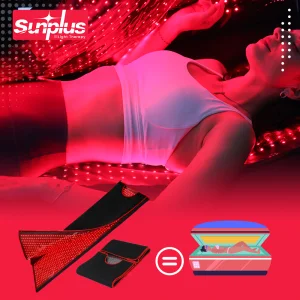
B2B brands in the hospitality, wellness, and high-end residential sectors are expanding their offerings to include infrared light therapy blankets, full-spectrum LED recovery wraps, and multi-motor thermal massage tables to meet the growing demand for home-based beauty care.
Understanding regional buying requirements is crucial for aligning supply chains with local consumer expectations.
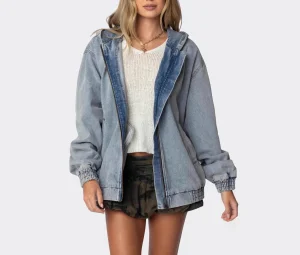
Key Demands: Broad size ranges, casual fits, and athleisure styles. Brands require durable, machine-washable cotton and synthetic denim jackets, casual tees, and high-stretch loungewear sets designed for daily multi-scenario use.
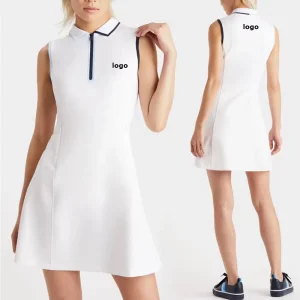
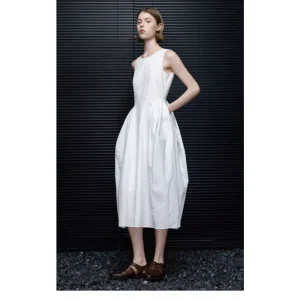
Key Demands: Eco-friendly manufacturing and sleek design lines. Focuses on sustainable fabric certifications (GOTS cotton, recycled polyester) and versatile business-casual options, such as the sleeveless 3D bud dress, suitable for office and resort wear.
Key Demands: High breathability and sun protection. Requires lightweight linen-cotton blends, UV-resistant activewear, and quick-drying tennis and yoga tops suited for hot summers and active outdoor lifestyles.
Guangzhou Dahab Fashion Co., Ltd. is an established women's clothing manufacturer based in Guangzhou, Guangdong, China, delivering comprehensive OEM and ODM apparel solutions globally.
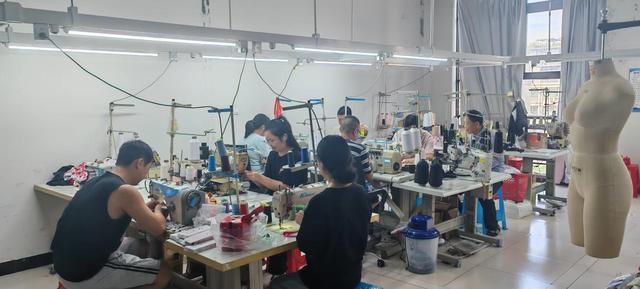
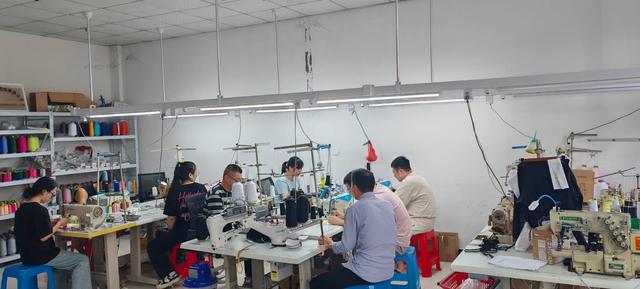
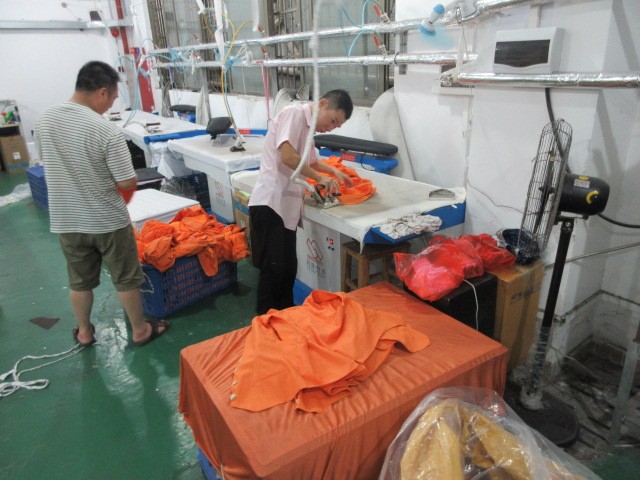
Founded in 2012, Dahab Fashion has spent over a decade refining its production capabilities to serve international brands, boutique wholesalers, online retailers, and design houses. The facility spans a modern 16,000 square meters and employs over 260 skilled operators, integrating design, fabric research, prototype engineering, mass manufacturing, and quality control under one roof.
Dahab Fashion's product range spans casual daily wear, formal dresses, woven blouses, seasonal knitwear, activewear, and functional lounge apparel. By monitoring global runway trends and technological updates, the team supports buyers through collection planning and fabric optimization, ensuring final goods align with consumer expectations across North America, Europe, the Middle East, and Australia.
Clear, expert-verified answers to common B2B procurement questions regarding women's apparel manufacturing.
Generally, the prototyping phase takes 3 to 7 working days once tech packs or reference samples are received. Bulk production timelines range from 20 to 35 days, depending on fabric availability, design complexity, and seasonal factory volumes. Leading factories run parallel production lanes to meet fast-track shipping timelines.
Quality control begins with incoming materials. Fabrics undergo tests for colorfastness, shrinkage, and piling before cutting. During assembly, inline inspectors monitor stitch tension, print placement, and seam strength. A final inspection is conducted prior to packaging, aligning with international AQL 2.5 standards.
Yes. Full private-label services are available. This includes custom-woven neck labels, swing tags with barcodes, custom tissue paper wraps, and branded biodegradable polybags. Buyers can supply their own designs or collaborate with our development team to create custom packaging.
Located near key material markets, we source specialty fabrics, including high-elasticity Spandex, breathable recycled nylons, and organic cotton blends. We also source functional components like moisture-wicking and UV-resistant finishes, ensuring compliance with international environmental standards.
We offer flexible trade terms, including FOB, EXW, and CIF. Payments are typically structured as a 30% deposit to initiate fabric sourcing and pattern development, with the remaining 70% balance due upon inspection clearance prior to shipment. Shipping is coordinated through ocean freight, air express, or rail transit.
We maintain stocks of base fabrics in neutral colors (like black, white, and grey). When a trend gains traction, we can quickly apply prints, dyes, or structural modifications to these base fabrics, enabling brands to launch micro-seasonal collections without waiting for standard material production cycles.
 Dahab Fashion