The global maternity and pregnancy fashion industry is undergoing a structural paradigm shift. Once treated as a micro-niche category characterized by loose-fitting silhouettes and basic utility designs, contemporary maternity wear has evolved into a high-growth, technology-driven fashion segment. Today's expectant mothers are demanding garments that integrate dynamic ergonomics, style, sustainability, and postpartum adaptability. This demand has fundamentally redefined the requirements of the global supply chain, prompting international brands, retailers, and boutique owners to seek advanced, specialized manufacturers.
In response to this transformation, this whitepaper evaluates the top pregnancy fashion manufacturers, focusing on how technical integration, raw material innovation, and sustainable practices are reshaping the sector. As brands strive to secure competitive advantages through "Information Gain" and superior product differentiation, understanding the operations, production capacities, and technical capabilities of leading manufacturers becomes essential for optimizing global sourcing strategies.
Established in 2012, Guangzhou Dahab Fashion Co., Ltd. stands as a premier women's clothing manufacturer based in the apparel hub of Guangzhou, Guangdong, China. Over more than a decade of strategic development, the company has grown into a world-class OEM and ODM supplier, delivering comprehensive, end-to-end garment solutions to global brands, boutique stores, large-scale wholesalers, and fast-growing e-commerce sellers across North America, Europe, the Middle East, and Australia.
Dahab Fashion operates a state-of-the-art manufacturing facility spanning over 16,000 square meters. The facility is equipped with automated cutting systems, specialized sewing lines, and integrated finish-and-inspect workflows that ensure unmatched structural consistency and high-speed throughput. With a team of over 260 highly skilled garment technicians, patternmakers, and quality control specialists, the company has successfully integrated flexible production methodologies that support both small-batch custom capsules and high-volume mass production.
Dahab Fashion's product portfolio is highly diversified, encompassing elegant fashion dresses, casual shirts, comfortable loungewear, business suits, outerwear, knitwear, and specialized garments designed specifically for the transition phases of pregnancy and maternity care. By combining acute market trend research with continuous fabric innovations—such as 4-way stretch fabrics, organic blends, and seamless knitting technologies—Dahab Fashion offers unmatched support to brands looking to design premium collections for modern parents.
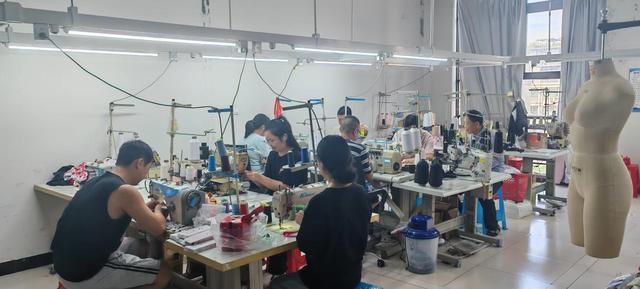
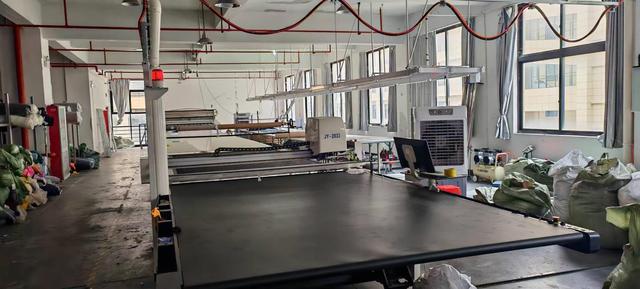
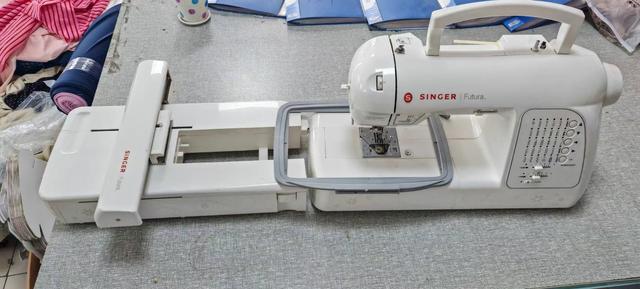
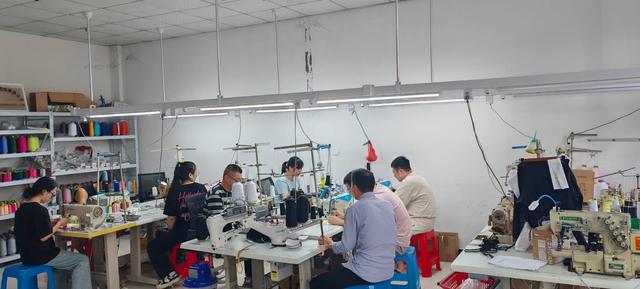
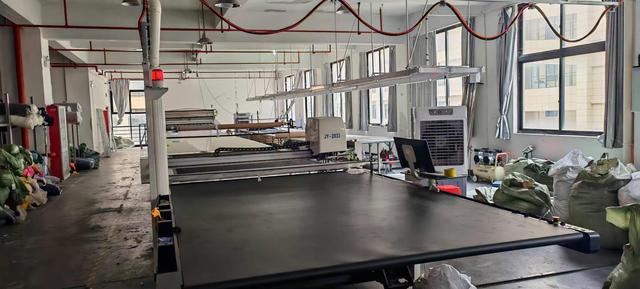
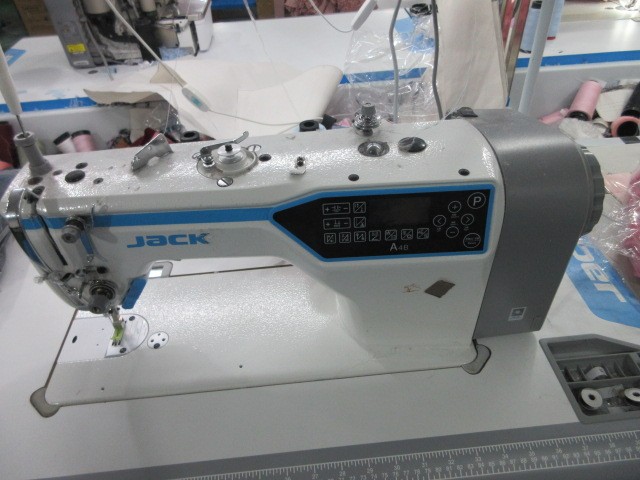
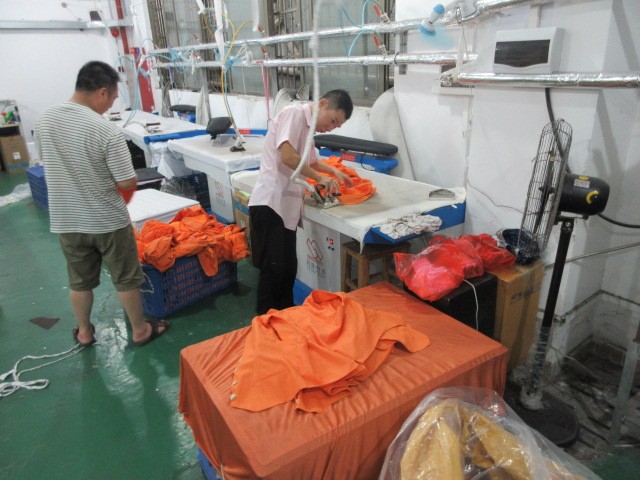
Sourcing pregnancy fashion from China, particularly the Greater Bay Area around Guangzhou, offers distinct competitive advantages that other global textile regions have difficulty replicating. The local industrial clusters provide an integrated end-to-end ecosystem where raw yarn processing, customized textile knitting, eco-friendly dyeing, accessory fabrication, and logistics happen within a 50-kilometer radius.
Manufacturers like Guangzhou Dahab Fashion leverage their close proximity to the world’s largest textile hubs to access thousands of new, cutting-edge fabric formulations daily. When developing maternity garments, custom fiber blending is crucial. The ability to source and test blends of Bamboo Viscose, Tencel Modal, Organic Cotton, and Lycra Elastane in real-time allows manufacturers to pivot rapidly in response to brand design changes.
China's clothing factories have transitioned from traditional rigid, long-run production lines to digitalized, modular workflows. By employing advanced ERP software and smart hangers, factories can simultaneously process custom small-batch test runs (e.g., 100-300 units for digital-first DTC brands) and major replenishment orders of over 50,000 units. This flexibility mitigates inventory risk for retailers during seasonal transitions.
The future of pregnancy fashion lies in the intersection of structural engineering and material science. Leading manufacturers are investing heavily in technologies that prioritize maternal health, comfort, and sustainable lifecycles.
Traditional maternity apparel relied on oversized cuts. Modern technical roadmaps focus on localized, gradient compression and expansion zones. Using 3D body scanners and dynamic strain testing, designers program varying levels of elasticity in different areas of a single garment. For instance, maternity leggings now feature high-tension support bands under the belly region, paired with ultra-low tension, highly breathable panels over the abdomen to accommodate growth without causing restriction.
As skin sensitivity increases during pregnancy, the demand for non-toxic, hypoallergenic textiles has escalated. Brands are specifying OEKO-TEX Standard 100 certified fibers. The raw material roadmap prominently features:
Leading factories have adopted CLO 3D and Browzwear platforms to render realistic digital garments on virtual maternity avatars. This reduces the need for multiple physical prototyping rounds, cutting design time from weeks to days, and significantly lowering fabric waste during the development phase.
Sourcing must align with localized consumer preferences. A successful garment in the North American market may require distinct adaptations to succeed in Europe or the Middle East.
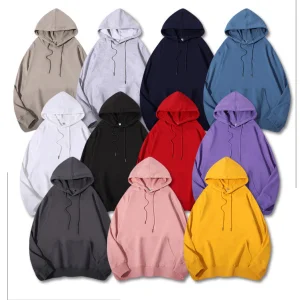
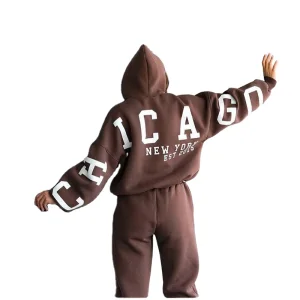
In North America, maternity wear is heavily integrated with the athleisure lifestyle. Pregnant women continue their active routines, driving demand for high-performance pregnancy yoga pants, supportive crop tops, and versatile hoodies. Sizing structures lean toward larger fits with extended grading tables, requiring robust flatlock stitching to handle stress.
European consumers show a strong preference for multi-functional, minimalist capsule wardrobes. Maternity garments must be designed for longevity, featuring hidden panels, adjustable button systems, and zippers that adapt for post-pregnancy nursing. Neutral, earth-toned palettes and certified organic certifications are vital compliance requirements.
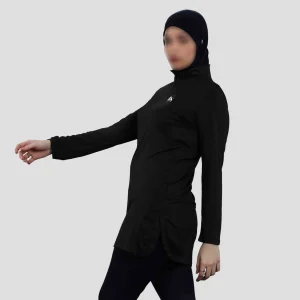
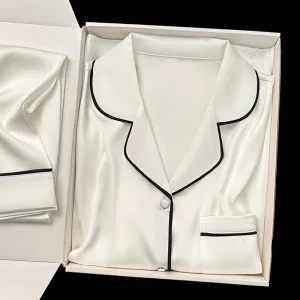
The Middle Eastern market has high demand for elegant, loose-fitting, modest maternity wear. Fabrics must remain lightweight and breathable due to warm regional climates, yet provide full coverage. Embellished details, high-end flowing silk-satin pajamas, and specialized modest swimwear (hijab sets) represent key high-margin categories.
When selecting a manufacturing partner, compliance validation is critical to safeguarding your brand against legal liabilities and supply chain disruptions. Quality assurance in maternity manufacturing involves rigorous testing regimes for chemical safety, physical durability, and mechanical safety.
Because harmful chemicals can be absorbed through the skin, all fabric dyes, fasteners, and prints must undergo testing to confirm they are free from heavy metals, phthalates, formaldehyde, and azo colorants. Top-tier factories work closely with international testing labs like SGS, Intertek, and BV to provide batch certification.
Maternity clothing undergoes significant physical stretching and frequent washing. Fabrics must pass high pilling-resistance tests and demonstrate robust recovery metrics (preventing bagging at knees or elbows). Snaps and zippers on nursing apparel must meet high torque and pull-test requirements to ensure they do not detach and present choking hazards for infants.
Modern retailers must verify that their supply chains uphold ethical labor standards. Industry leaders undergo regular third-party audits, such as **BSCI (Business Social Compliance Initiative)**, **Sedex (SMETA)**, and **WRAP**, verifying fair wages, safe working environments, and transparent production practices.
Typical custom MOQs range between 100 to 300 pieces per style/color, depending on the complexity of the fabric blend. For custom fabrics with custom dyeing, the MOQ can be slightly higher to meet dye-house requirements. High-end factories like Dahab Fashion offer flexible options for established brands launching new collections.
Yes. Multi-functional transition garments are a core manufacturing capability. We integrate hidden zippers, double-layer front openings, nursing clips, and highly resilient elastane fabrics that return to their original shape post-pregnancy, supporting sustainable usage.
We ensure our partner fabric mills supply fabrics conforming to OEKO-TEX Standard 100 and REACH. These standards certify that the textiles are free from harmful irritants, heavy metals, and carcinogenic finishes, which is a priority for pregnant mothers.
Physical prototype samples are usually produced and shipped within 7 to 10 working days. Bulk production lead times vary from 25 to 45 days, depending on the design complexity, order volume, and material availability.
Yes, we offer comprehensive private labeling services. This includes custom neck labels, hang tags, eco-friendly custom polybags, and branding elements. These features are designed to help online brands and boutiques deliver a premium unboxing experience.
 Dahab Fashion