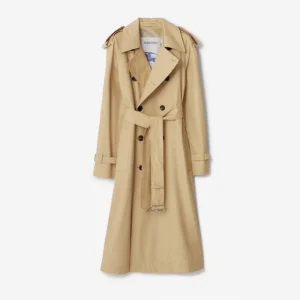
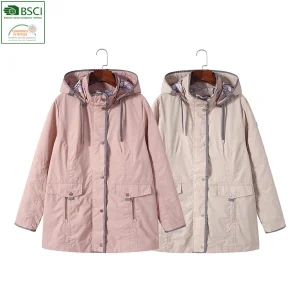
Analyzing global industrial density, supply chain shifts, and macroeconomic factors shaping modern apparel production.
The global textile and apparel industry has entered a new era characterized by value-chain optimization, advanced digital systems, and stricter quality benchmarks. The sourcing behavior of mid-to-high-end fashion labels is transitioning from a purely cost-centric model to a complex risk-managed framework prioritizing agility, ethical practices, and technical capability.
Manufacturing clusters in East Asia, particularly within the Pearl River Delta in Guangdong, China, maintain an irreplaceable leadership status due to their complete raw-material ecosystem, advanced design services, and robust shipping infrastructure. Simultaneously, secondary hubs across Southeast Asia, Eastern Europe, and Central America are integrating themselves as nearshoring or diversification locations. To remain competitive in this landscape, top apparel factories are focusing on high-mix low-volume (HMLV) operational flexibility, transforming traditional production lines into highly responsive, technology-integrated setups.
How multinational brands mitigate risks, enforce strict quality controls, and manage supplier diversification.
Enterprise buyers require adherence to international Acceptable Quality Limits. Suppliers must utilize automated inspection systems for knitting, weaving, and sewing alignment, reducing defect rates in bulk shipments to near-zero levels.
Adapting to the modern, trend-driven retail ecosystem, brands prioritize factories that offer low initial MOQs (e.g., 100-300 pieces per style) combined with rapid re-order pipelines to prevent inventory excess and markdown losses.
From initial design concept, pattern making, fabric sourcing, and tech-pack development to bulk manufacturing and custom labeling, buyers expect complete transparency and integration across all supply chain phases.
How modernized factory ecosystems optimize material waste, track logistics, and enhance production speed.
One of the most persistent bottlenecks in women's apparel production is the disconnect between design ideas and manufacturing constraints. The integration of Product Lifecycle Management (PLM) software is the key macro solution addressing this gap, allowing design teams and factories to collaborate on a single system of record.
Additionally, modern supply chain models employ Postponement Strategies. By storing undyed fabrics or generic base patterns and delaying dyeing or finishing steps until specific market sales data is received, brands can reduce markdown rates by up to 30%. This data-driven responsiveness is crucial in the highly seasonal, fast-evolving women's fashion sector, helping to limit the risk of unsold stock.
Technological innovations reshaping the production lines of forward-thinking women's apparel manufacturers.
Replacing physical paper and muslin prototypes with 3D CAD modeling software like CLO 3D or Browzwear. This reduces pattern drafting cycles from weeks to hours and minimizes fabric waste.
Integrating computer-vision-guided cutting systems that read pattern shapes and nested layouts to optimize fabric usage, achieving material utilization rates of up to 92-95%.
Embedding RFID and NFC chips in garments to track lifecycle metrics from raw-fiber origin, through sewing factories, to end-of-life recycling, facilitating circular fashion models.
A deep dive into one of China's premier private-label apparel manufacturers serving global retailers.
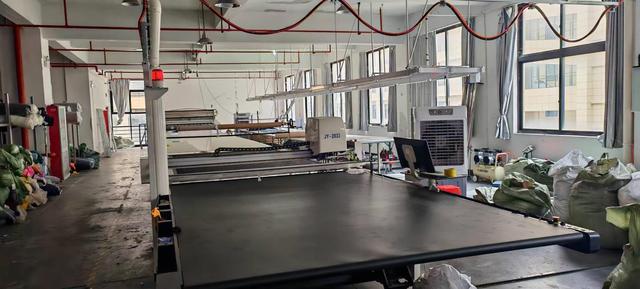
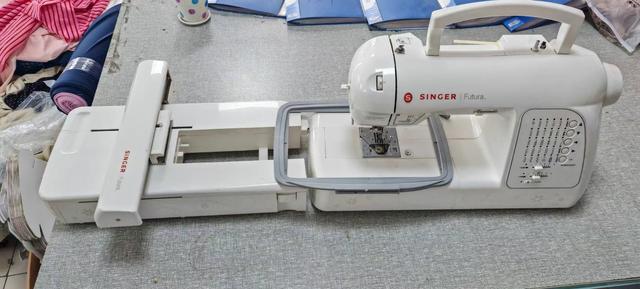
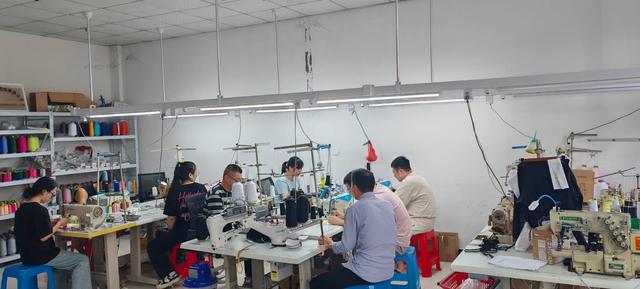
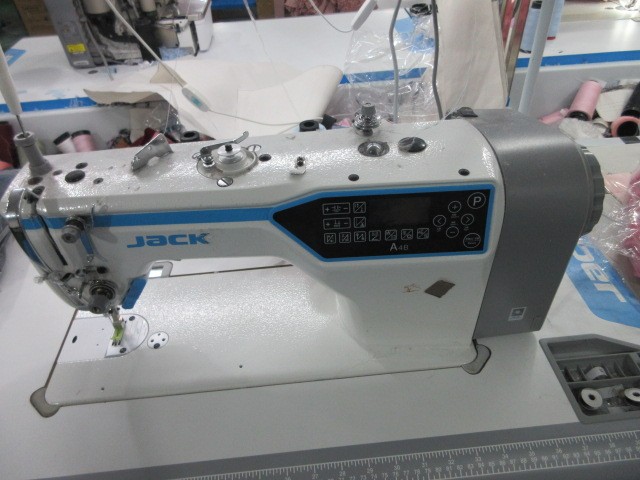
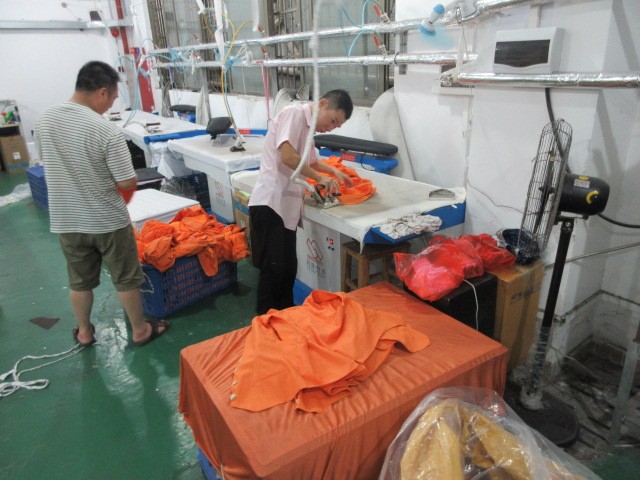
Guangzhou Dahab Fashion Co., Ltd. is a professional women's clothing manufacturer located in Guangzhou, Guangdong, China. Established in 2012, the company specializes in the design, development, and production of fashion apparel for international brands, wholesalers, retailers, boutique stores, and e-commerce businesses. With a modern manufacturing facility spanning over 16,000 square meters and a workforce of more than 260 skilled employees, Dahab Fashion provides comprehensive OEM and ODM garment solutions to customers worldwide.
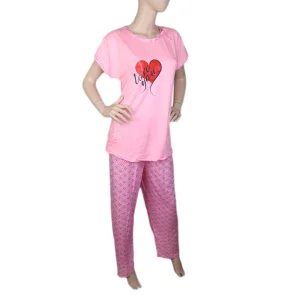
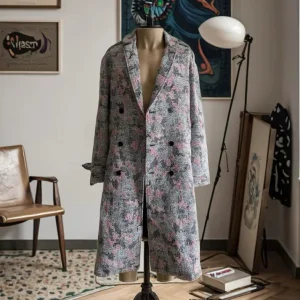
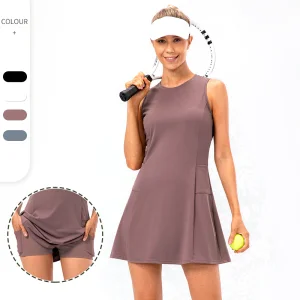
The company offers a diverse range of women's clothing products, including casual wear, fashion dresses, blouses, tops, skirts, knitwear, outerwear, loungewear, business attire, and seasonal fashion collections. By combining market-driven design concepts with efficient production capabilities, Dahab Fashion helps customers create competitive apparel collections that meet changing consumer preferences across global markets.
Supported by an experienced design and product development team, the company continuously monitors international fashion trends, fabric innovations, and garment technologies. This enables Dahab Fashion to deliver stylish, functional, and commercially viable products while supporting customers with collection planning and product customization.
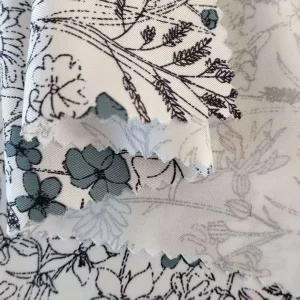
Quality management is integrated throughout the manufacturing process. From fabric sourcing and pattern development to cutting, sewing, finishing, and final inspection, every stage is carefully controlled to ensure consistency, durability, and customer satisfaction. The company also provides flexible private-label services, including logo application, custom packaging, fabric selection, and branding support.
With products exported to North America, Europe, the Middle East, Australia, and other international regions, Guangzhou Dahab Fashion Co., Ltd. has established long-term partnerships with clients seeking reliable apparel manufacturing solutions. The company remains committed to innovation, quality, and professional service as a trusted women's clothing manufacturer providing fashion apparel, casual wear, and OEM ODM garment solutions worldwide.
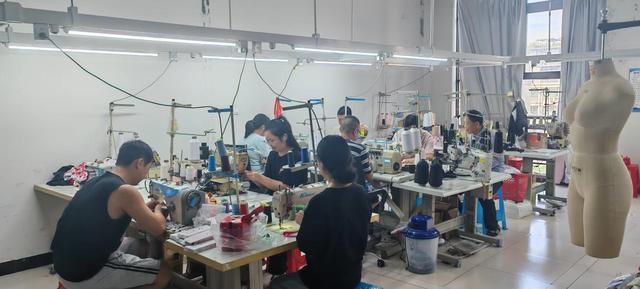
How elite apparel manufacturers ensure alignment with global import laws and sustainability directives.
Entering international consumer markets demands compliance with evolving regional import frameworks. Factories targeting top-tier brands must hold recognized certifications to pass retail audits. For Europe and the UK, compliance with the EU Green Deal and CSRD (Corporate Sustainability Reporting Directive) is critical, requiring transparency regarding chemical treatments and carbon emissions.
In the US market, compliance with the Uyghur Forced Labor Prevention Act (UFLPA) mandates that manufacturers provide auditable supply chain mapping from cotton field to shipping container. Trusted manufacturers typically hold certifications such as OEKO-TEX Standard 100 (ensuring textiles are free of harmful substances), GOTS (Global Organic Textile Standard) for organic fibers, and BSCI/SMETA (verifying ethical work environments and fair compensation).
Answers to crucial procurement and technical design questions for brand sourcing managers.
 Dahab Fashion