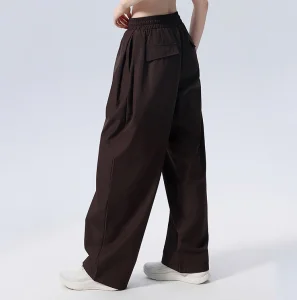
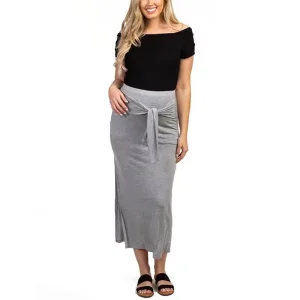
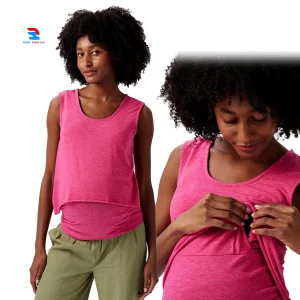
Explore our highly requested commercial-grade apparel components, manufactured under rigorous ISO standards for global export.
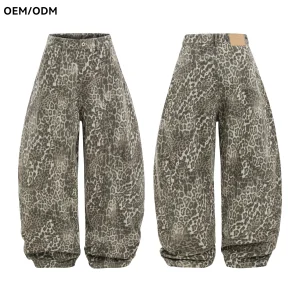
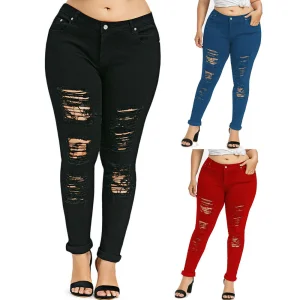
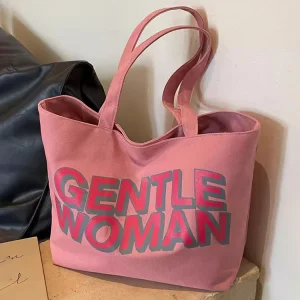
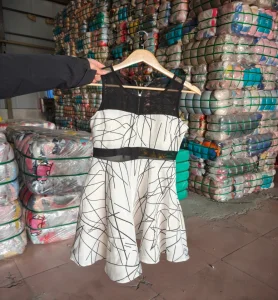
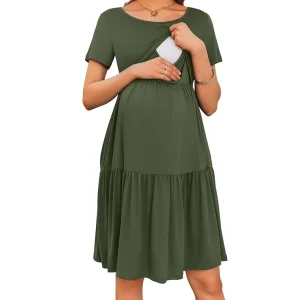
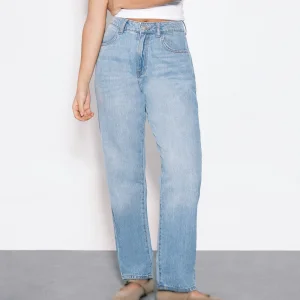
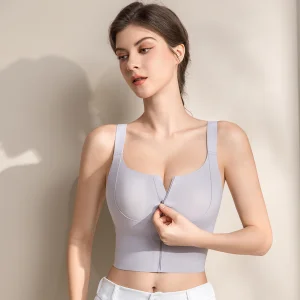
The global market for women's functional apparel has transitioned from a niche segment into a dominant force driving textile innovation. Historically focused primarily on basic sportswear, functional apparel now encompasses high-performance activewear, protective workwear, intelligent maternity garments, and adaptive lifestyle clothing. The modern female consumer demands garments that seamlessly blend aesthetic appeal with superior performance features, such as advanced moisture management, UV blocking, odor control, and smart thermal insulation.
According to international trade and supply chain analyses, the industrial scale for functional wear is sustained by high-tech manufacturing ecosystems in leading manufacturing hubs. Exporters must maintain robust logistics and agile systems to fulfill the complex demands of B2B buyers across Europe, North America, and the Asia-Pacific. The integration of 3D CAD modeling, digital printing, automated sewing machinery, and eco-certified materials constitutes the new baseline for global competitiveness. Top-tier manufacturers are moving away from commodity-based production to value-added technical garment design.
For enterprise buyers, brand managers, and large-scale retailers, sourcing women's functional apparel involves navigating strict performance metrics, logistical challenges, and compliance frameworks. Procurement departments must optimize cost-efficiency while minimizing supply chain risks. The principal requirements of global buyers include:
The rise of e-commerce requires apparel factories to offer low Minimum Order Quantities (MOQ) for trial collections, while retaining the capacity to scale to tens of thousands of units once market demand is proven.
Brands now require raw material provenance documentation, certifying that polyester is recycled (GRS certified), cotton is organic (GOTS certified), and dyeing processes do not contaminate water tables.
Garments must meet international testing standards (such as AATCC and ASTM) for hydrostatic pressure resistance, moisture vapor transmission rate (MVTR), tensile strength, and color fastness.
To mitigate shipping delays and geopolitical disruptions, global enterprises increasingly select vertical manufacturers capable of handling the entire cycle—from fiber development and pattern design to complex sewing, finishing, custom tagging, and direct-to-warehouse global shipping.
The performance of women's functional wear relies heavily on the engineering of raw materials. Innovations in fiber science have unlocked new solutions that elevate user comfort and protection under diverse atmospheric conditions. Below is the technical timeline and design roadmap of fabrics implemented by leading exporters:
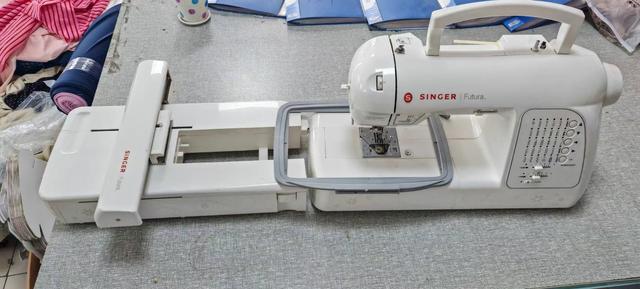
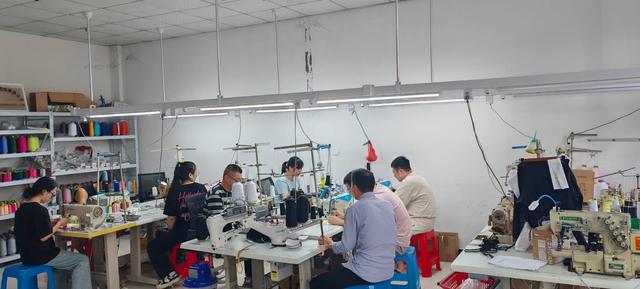
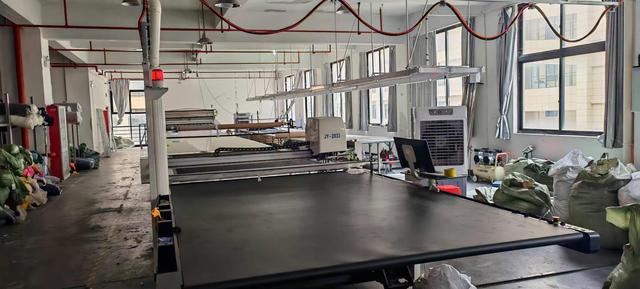
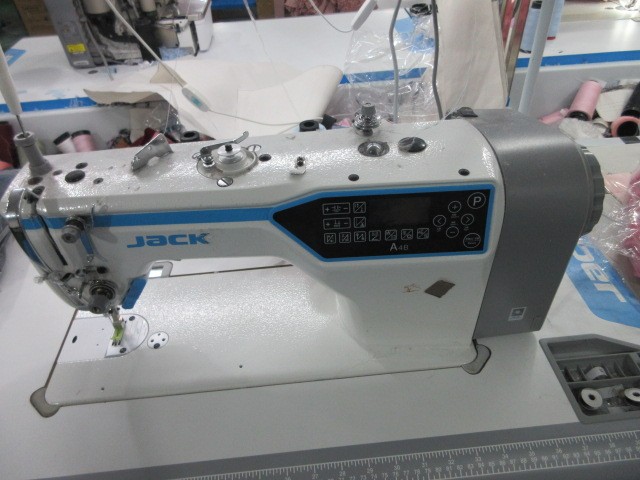
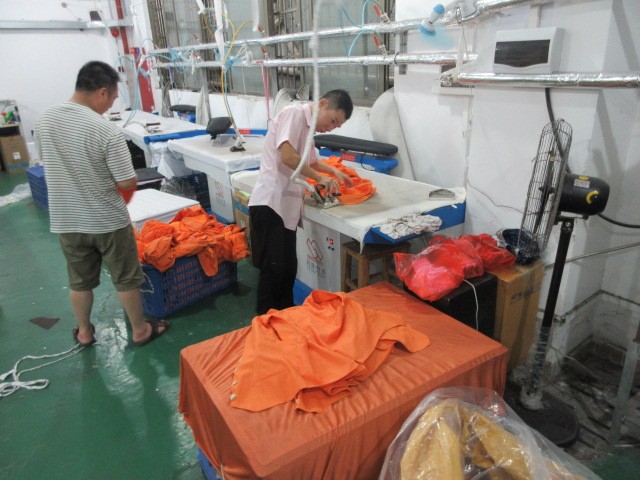
Guangzhou Dahab Fashion Co., Ltd. is a professional women's clothing manufacturer located in Guangzhou, Guangdong, China. Established in 2012, the company specializes in the design, development, and production of fashion apparel for international brands, wholesalers, retailers, boutique stores, and e-commerce businesses. With a modern manufacturing facility spanning over 16,000 square meters and a workforce of more than 260 skilled employees, Dahab Fashion provides comprehensive OEM and ODM garment solutions to customers worldwide.
The company offers a diverse range of women's clothing products, including casual wear, fashion dresses, blouses, tops, skirts, knitwear, outerwear, loungewear, business attire, and seasonal fashion collections. By combining market-driven design concepts with efficient production capabilities, Dahab Fashion helps customers create competitive apparel collections that meet changing consumer preferences across global markets.
Supported by an experienced design and product development team, the company continuously monitors international fashion trends, fabric innovations, and garment technologies. This enables Dahab Fashion to deliver stylish, functional, and commercially viable products while supporting customers with collection planning and product customization.
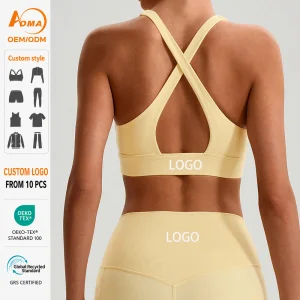
Quality management is integrated throughout the manufacturing process. From fabric sourcing and pattern development to cutting, sewing, finishing, and final inspection, every stage is carefully controlled to ensure consistency, durability, and customer satisfaction. The company also provides flexible private-label services, including logo application, custom packaging, fabric selection, and branding support.
With products exported to North America, Europe, the Middle East, Australia, and other international regions, Guangzhou Dahab Fashion Co., Ltd. has established long-term partnerships with clients seeking reliable apparel manufacturing solutions. The company remains committed to innovation, quality, and professional service as a trusted women's clothing manufacturer providing fashion apparel, casual wear, and OEM ODM garment solutions worldwide.
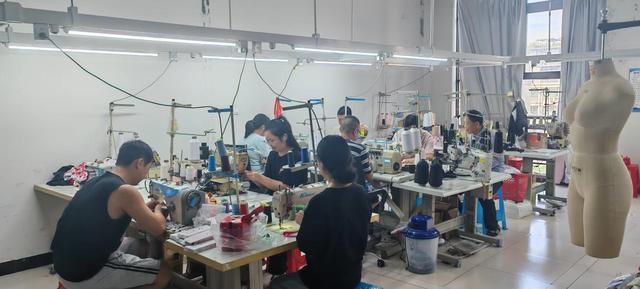
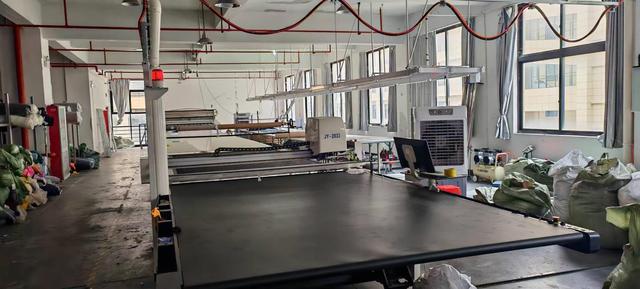
To conduct business at scale in Western markets, exporters of women's functional apparel must ensure comprehensive regulatory compliance across multiple jurisdictions. The export of apparel requires alignment with regional consumer safety and chemical control laws. Leading manufacturers achieve this through:
Get immediate clarity on production cycles, fiber specifications, regulatory compliance, and OEM/ODM custom workflows.
Select options from our functional maternity, sun-safety, and heavy-duty activewear catalogs, complete with original product page links.
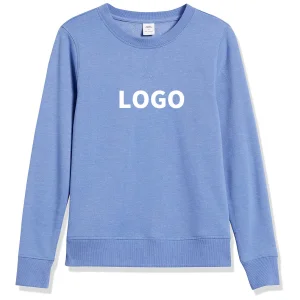
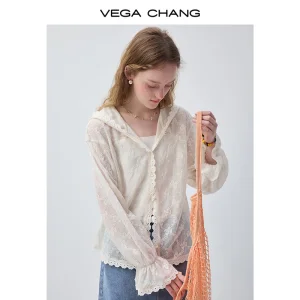
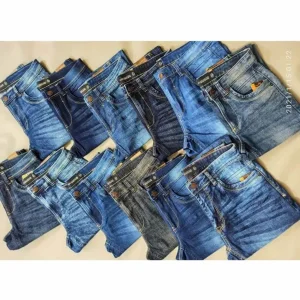
 Dahab Fashion