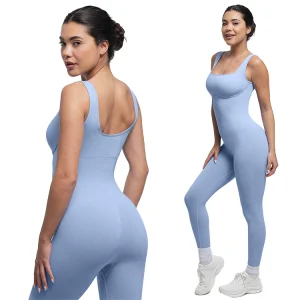
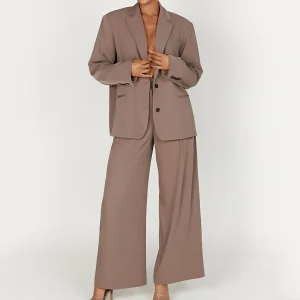
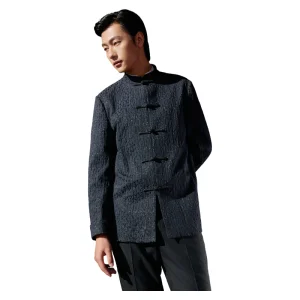
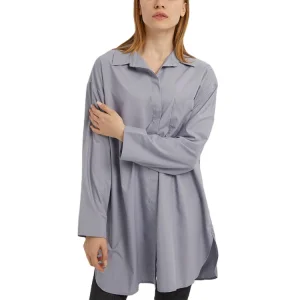
Under the microscope of semantic search and intent mining, global apparel procurement managers seek more than just sewing capacities. They seek strategic partners who align with high EEAT standards, technological edge, and sustainable compliance.
The global market for women's formal attire has undergone an intense structural evolution. Corporate dress codes are transitioning from rigid tailoring to smart, modular corporate garments. This paradigm shift requires manufacturers to maintain highly agile supply lines, superior fabric sourcing, and precision engineering. Today's global buyers—spanning multi-national brands, premium boutique chains, and fast-growing e-commerce ecosystems—no longer judge factories solely by their output capacities. The modern procurement framework incorporates strict metrics: supply chain transparency, carbon footprint tracking, advanced technical compliance, and rapid prototyping capabilities.
In this whitepaper, we dissect the operational mechanisms of top-tier manufacturers. By referencing the established blueprint of industry leaders like Guangzhou Dahab Fashion Co., Ltd. (founded in 2012), we map out how China's smart factories are leveraging Industry 4.0 paradigms to deliver high-information-gain products that address real consumer pain points.
What enterprise buyers look for in top-tier formal attire factories.
Global sizing parameters vary drastically between North American, European, and Middle Eastern markets. Premium manufacturers employ localized digital sizing models and 3D virtual sampling to cut down prototyping cycles from weeks to hours.
The demand for anti-wrinkle, stain-resistant, breathable, and stretch-infused fabrics has sky-rocketed. Today's modern professional woman demands formal apparel that transitions seamlessly from executive meetings to cross-continental travel.
Over-inventory poses a massive financial risk. Smart factories support flexible MOQ (Minimum Order Quantities) paired with rapid-replenishment systems to align production closely with actual market sell-through data.
The optimization secrets behind Guangzhou Dahab Fashion's manufacturing ecosystem.
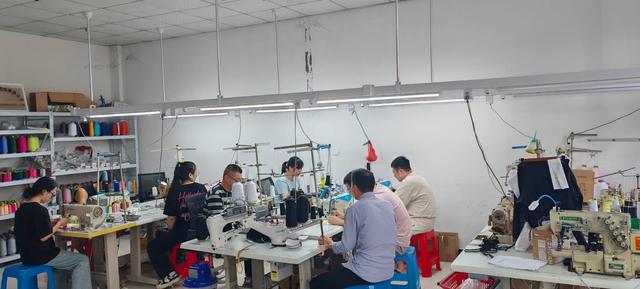
In the apparel heartland of Guangzhou, Guangdong, China, Guangzhou Dahab Fashion Co., Ltd. has established a benchmark for tech-driven garment manufacturing. Operating a 16,000 square meter state-of-the-art facility, the company merges manual expertise with automated machinery. But what does Factory 4.0 actually mean for a global buyer?
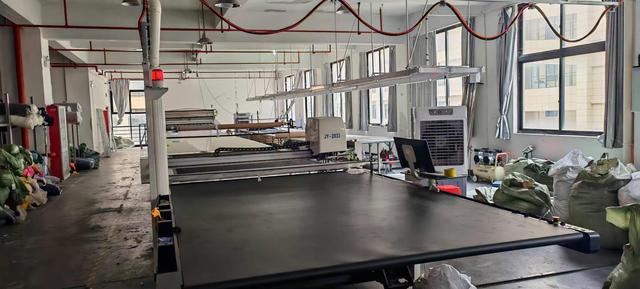
Material waste is both a cost driver and an ecological failure. By utilizing smart nesting software, Dahab Fashion reduces fabric waste by up to 15% per run. This system optimizes pattern positioning across various fabric widths, directly translating to competitive unit costs for OEM/ODM clients.
Throughout the cutting, sewing, finishing, and packaging stages, multi-point digital checkpoints track quality. Fabrics undergo spectrophotometer testing for color fastness and shade consistency under various lighting environments (D65, TL84). This mitigates the risk of color variance in large-batch wholesale fashion collections.
Guangzhou’s textile cluster provides immediate proximity to advanced trim suppliers, specialized weavers, and logistic networks. This physical proximity allows Dahab Fashion to source high-grade eco-friendly materials and specialized accessories rapidly, keeping the pre-production timeline within 5-7 business days.
Predicting product design trends and technological breakthroughs over the next decade.
The roadmap for professional business attire is focused on functional sophistication. We predict five major transitions that will define the leading factories globally by 2030:
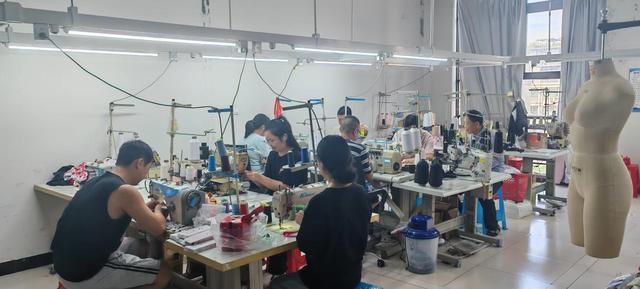
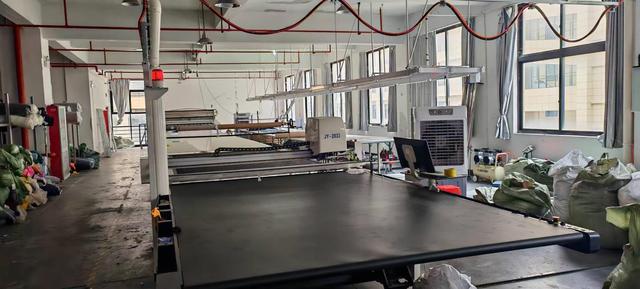
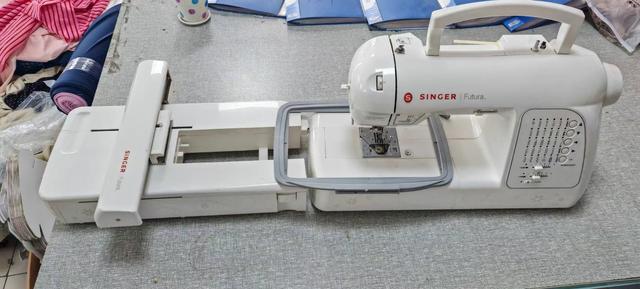
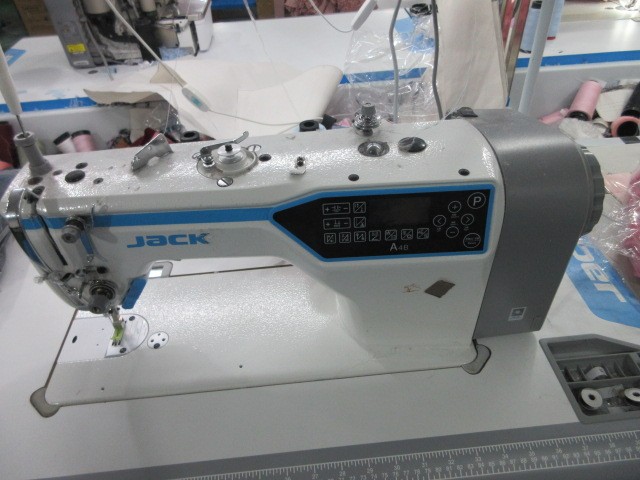
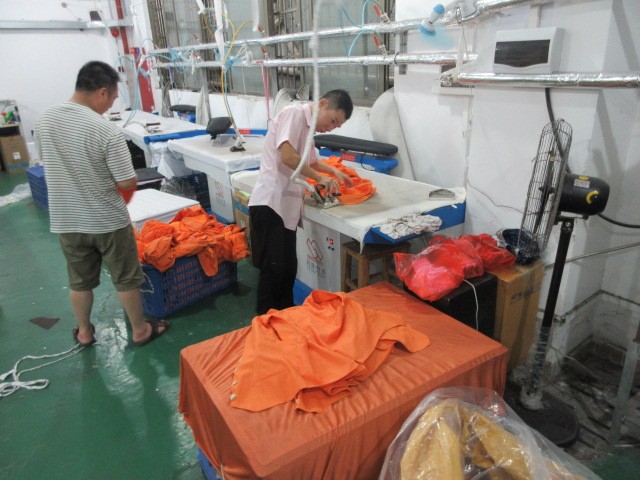
A visual tour through our advanced production environment in Guangzhou.
Navigating import tariffs, labeling standards, and localized sizing frameworks.
Exporting to markets across North America, Europe, Australia, and the Middle East requires compliance with strict regional standards. Dahab Fashion ensures seamless custom clearance through precise compliance protocols:
Precise fiber breakdown labeling (FTC regulations for the USA, EU Textile Regulation No 1007/2011). We guarantee full transparency in raw material declarations, including country of origin and clean care instructions.
Guaranteed adherence to REACH regulations for European markets, restricting harmful azo dyes, heavy metals, and formaldehydes in all finished ladies apparel and formalwear products.
Strict NDAs and isolated workspace databases guarantee that OEM designs, private label blueprints, and brand patterns are kept strictly confidential, preventing design leakages prior to product launches.
Overcoming inflation, fluctuating shipping rates, and shifting consumer shopping trends.
Apparel retailers face constant pressure to stay relevant while protecting their margins. Dahab Fashion implements structured systemic solutions to mitigate these macro-risks:
Through partnerships with premier logistics groups in Pearl River Delta hubs, Dahab guarantees prioritized shipping space and routes. Whether utilizing air express for high-demand restocks or sea-freight consolidations for seasonal lines, shipping timelines are managed proactively.
To guard against cotton and polyester price volatility, we stock common base fabrics (wool-poly blends, interlock knits, modal lining) in-house. This allows us to hold unit pricing steady for long-term contract partners, even during raw material price swings.
By mapping out custom measurement charts based on target regions, return rates due to sizing errors are lowered by up to 24%. Sizing styles range from North American plus-size silhouettes to customized modest cuts for the Middle East markets.
Get clear, detailed answers regarding technical parameters, ordering procedures, and operational capabilities.
 Dahab Fashion