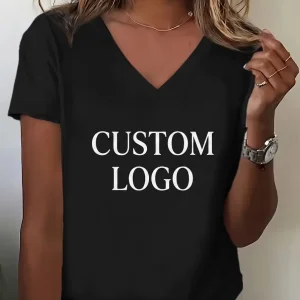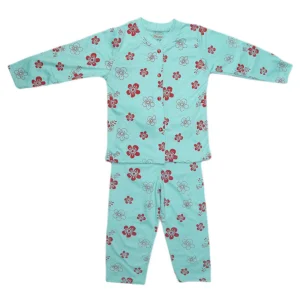
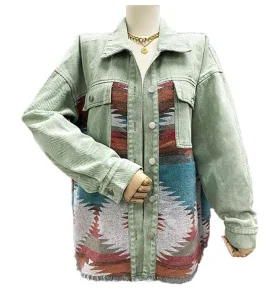
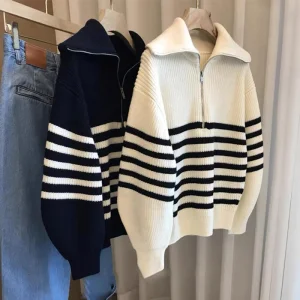
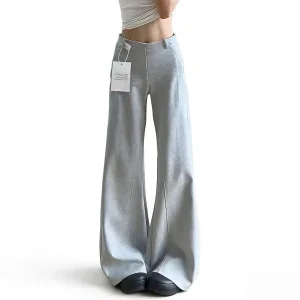
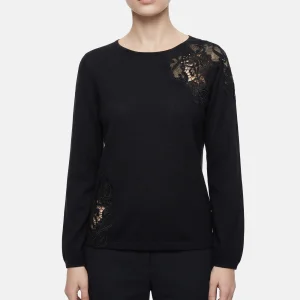
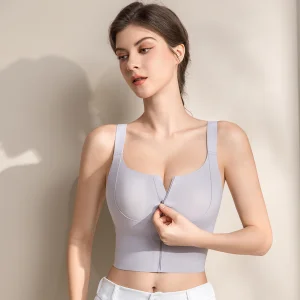
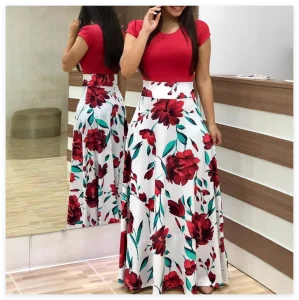
In the highly dynamic landscapes of international fashion retail, sourcing partners are no longer just looking for standard assembly services. The search intent behind "Women's Eye-Catching Fashion Manufacturers" has shifted from basic transactional queries to complex, multi-layered requirements encompassing high design fidelity, speed-to-market execution, eco-responsible supply loops, and advanced textile engineering. According to search intelligence data and procurement behavior matrices, modern apparel buyers prioritize partners who offer high "Information Gain" — including detailed material science transparency, reliable custom sizing frameworks, and proven compliance credentials.
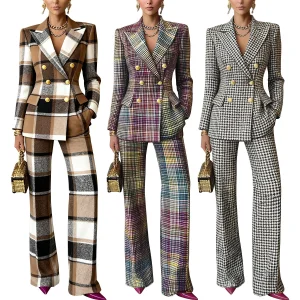
To successfully capture consumer attention in a cluttered retail space, women's apparel must blend visual disruptiveness with physical comfort. "Eye-catching" no longer indicates mere gaudiness; it represents sophisticated textural play (e.g., premium silk knitwear, delicate sequin and lace integrations, and meticulously aligned plaid or houndstooth patterns) and modern draping techniques. Manufacturers must therefore act as collaborative design engineers, converting complex conceptual mockups into durable, retail-ready collections.
Global brands assess manufacturers based on **Experience** (years in operation and sample accuracy), **Expertise** (technical mastery of complex knits and blends), **Authoritativeness** (scalability and design leadership), and **Trustworthiness** (verifiable third-party factory audits and clear contract logistics).
The global women's wear market is undergoing a structural transformation powered by digital native business models, inclusive sizing movements, and circular economy requirements. B2B buyers must adapt to these overarching industry vectors to secure consistent shelf turns and digital cart conversions:
Traditional formalwear is blending with street-drape silhouettes. High-waist curved hem pants, paired with structured two-piece houndstooth office suits, meet the demand for versatile wardrobe transitions.
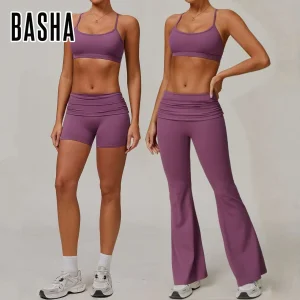
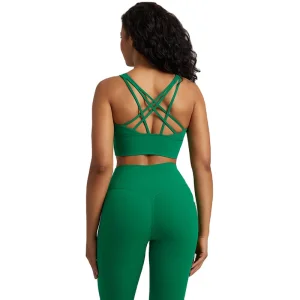
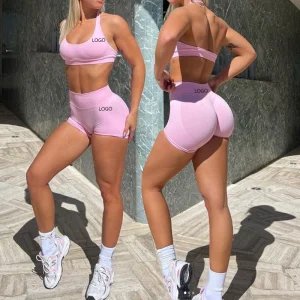
High-grade recycled polyester yarns, biological circular knits, and zero-waste seamless technology dominate the activewear and athleisure segments, supporting carbon-neutral targets.
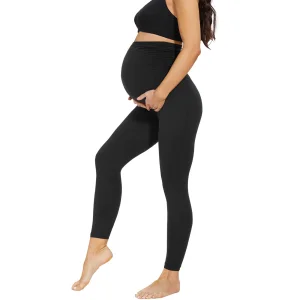
Adaptive design models, maternity utility structures, and plus-size activewear (M-3XL and beyond) are standard requirements rather than secondary collections for progressive brands.
Positioned at the epicenter of China's premium textile cluster, Guangzhou Dahab Fashion Co., Ltd. has established itself as an authoritative leader in high-volume, design-led women's apparel manufacturing. Founded in 2012, Dahab Fashion has spent over a decade refining its raw material sourcing, automated patterning systems, and multi-tier quality control workflows to serve global fashion brands, e-commerce giants, and independent boutiques across North America, Europe, Australia, and the Middle East.
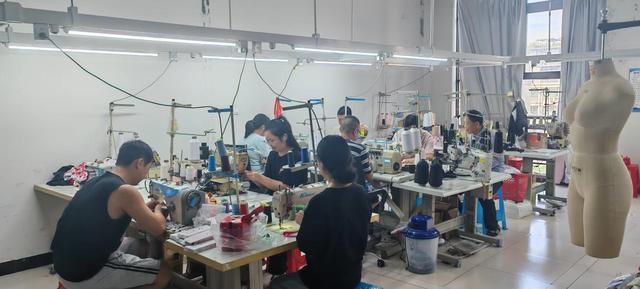
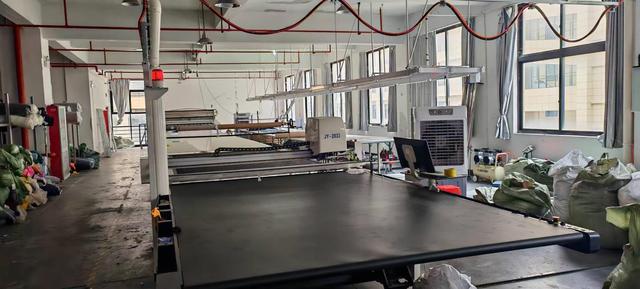
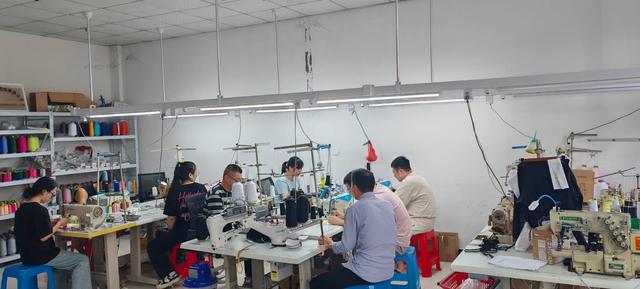
Operating a state-of-the-art facility spanning 16,000 square meters and powered by a highly trained workforce of 260+ dedicated garment technicians, Dahab Fashion bridges the gap between high-concept aesthetics and functional, high-output production. The enterprise provides a complete turnkey OEM/ODM lifecycle—from 3D virtual pattern sampling and low-MOQ fabric trial runs to high-speed final sewing, press finish, and direct-to-warehouse global logistics.
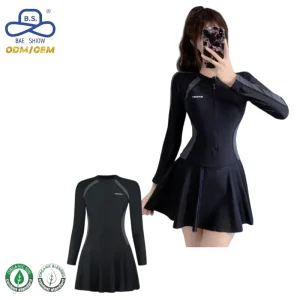
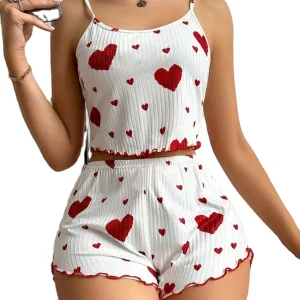
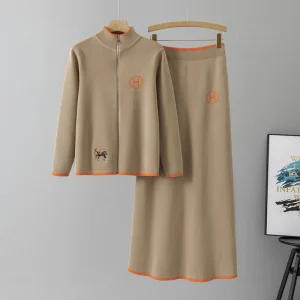
The company's diverse product portfolio ranges from high-grade silk blend knitwear with anti-static and lace-spliced features to durable activewear and specialty apparel like high-elasticity maternity office pants and modest swimwear. Through careful fabric inspection, pattern development, and final output testing, Dahab Fashion ensures every piece meets strict global durability and finish requirements.
Modern B2B fashion procurement is challenged by volatile market trends, rising freight costs, and the risk of inventory obsolescence. Dahab Fashion implements modern systems to mitigate these operational risks:
A key indicator of authority and trust (E-E-A-T) in fashion manufacturing is adherence to global regulatory frameworks and localized shipping compliances. Guangzhou Dahab Fashion Co., Ltd. ensures clear regulatory clearances for international shipments:
All manufactured garments are subjected to rigorous colorfastness tests, anti-shrinkage metrics, and zero-hazardous chemical evaluations, conforming directly to REACH standards in the European Union and CPSIA guidelines in North America. By utilizing OEKO-TEX certified fabrics, especially in delicate categories such as maternity pants, home wear, and sports bra apparel, the facility protects end consumers from contact allergens and heavy metal dyes.
Furthermore, customized customs documentation, structured duty-code assignments, and partnerships with top global freight forwarders ensure tariff optimization and hassle-free transit through major European, North American, and Australian entry ports.
As the apparel industry moves toward digitizing the supply chain, the future of fashion manufacturing lies in the integration of AI design assistance, predictive sorting, and ecological circularity. Dahab Fashion's technical roadmap focus points include:
1. 3D Digital Prototyping: Implementing advanced 3D modeling tools to generate virtual fit samples, reducing carbon footprint and pattern-drafting waste by up to 80%.
2. Smart Knitwear Automation: Integrating automated knitting machines to execute complex jacquard, lace splicing, and houndstooth details with precision and minimal raw fiber waste.
3. Traceable Supply Chains: Incorporating blockchain-supported textile tracking to provide retail customers with visible proof of origin for recycled polyester, organic cotton, and cruelty-free silk fibers.
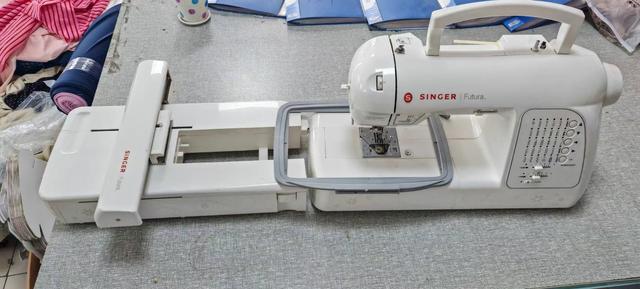
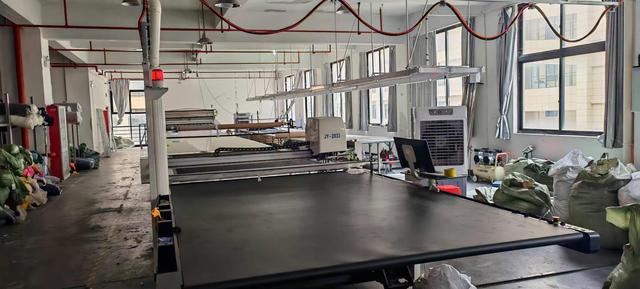
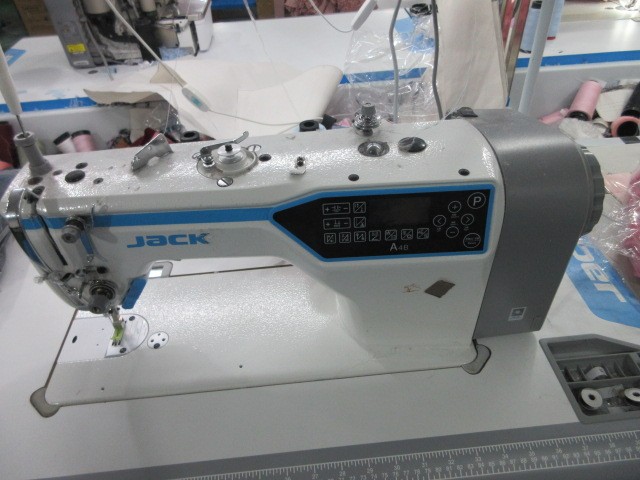
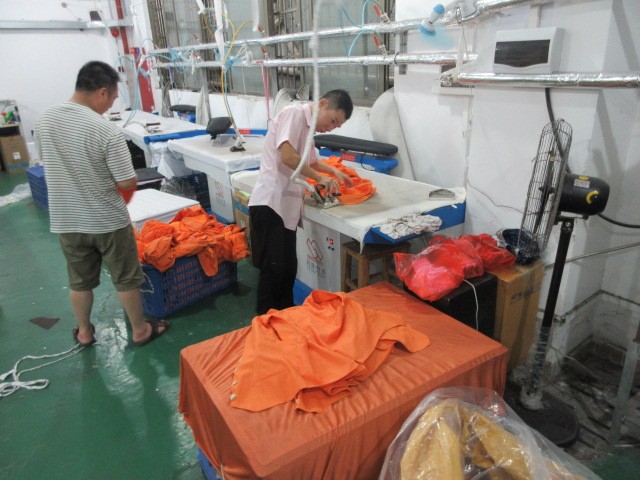
Visual tour of our production facilities, warehouse, automated sewing tracks, and QC inspection units.
 Dahab Fashion