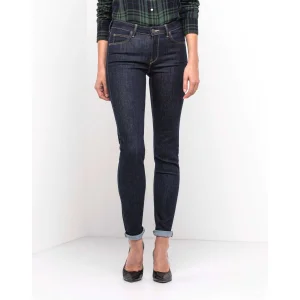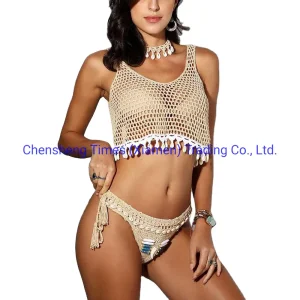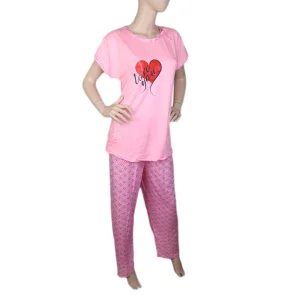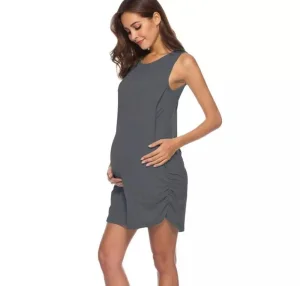
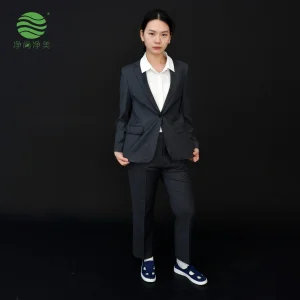
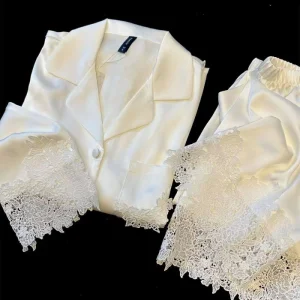
In the contemporary B2B apparel sector, the category of Women's Convenience Wear has evolved far beyond traditional leisure clothing. Today, it encapsulates an intricate synergy of adaptive design, multi-functional utility, and comfort-driven aesthetics. Global buyers are increasingly focused on sourcing products that seamlessly transition between professional contexts, active domestic life, and personal rest spaces. Consequently, selecting premier suppliers involves examining critical dimensions: yarn technology, certified ethical production, and fast-response supply chains capable of navigating market volatility.
This industry report acts as a definitive guide for corporate procurement officers, digital retail directors, and international wholesalers aiming to locate the most reliable, technically capable manufacturing partners. By leveraging the industry advantages found in regional production clusters, particularly within Guangzhou, China, buyers can establish strategic networks that yield high-quality garments, minimize overhead, and offer significant information gain over competitors who rely on traditional, fragmented sourcing methods.
Guangdong's specialized apparel clusters allow factories to source fabrics, custom trim components, and specialized elastic materials in real-time. This dynamic environment drastically lowers procurement overhead and shortens prototyping cycles, keeping brands ahead of fast-moving consumer trends.
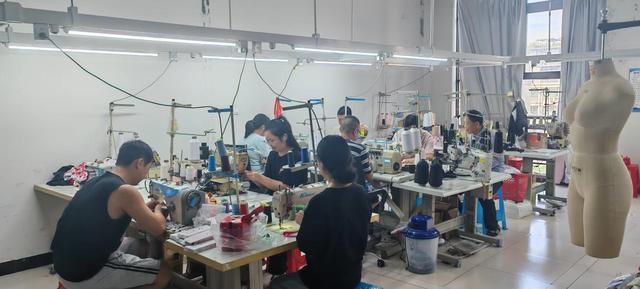
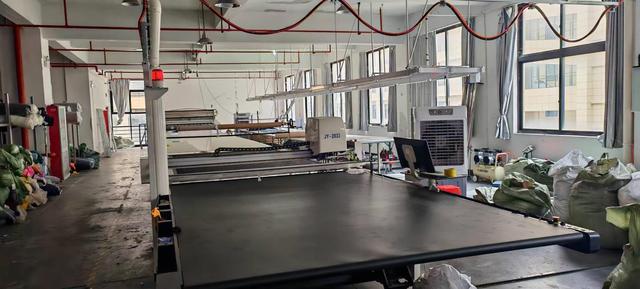
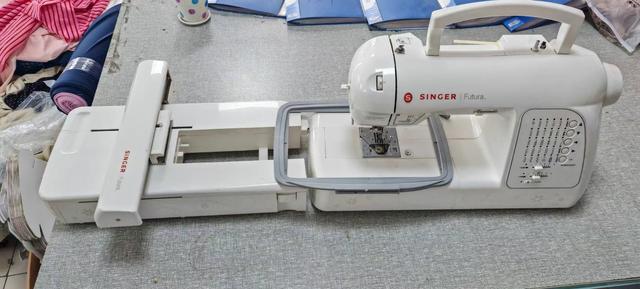
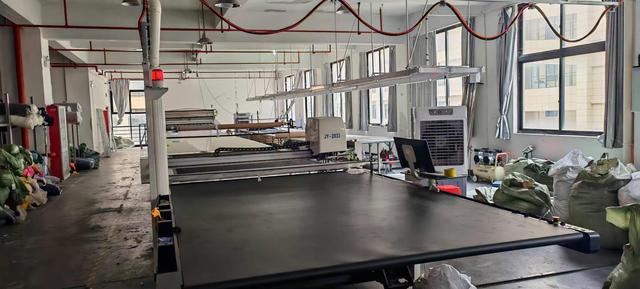
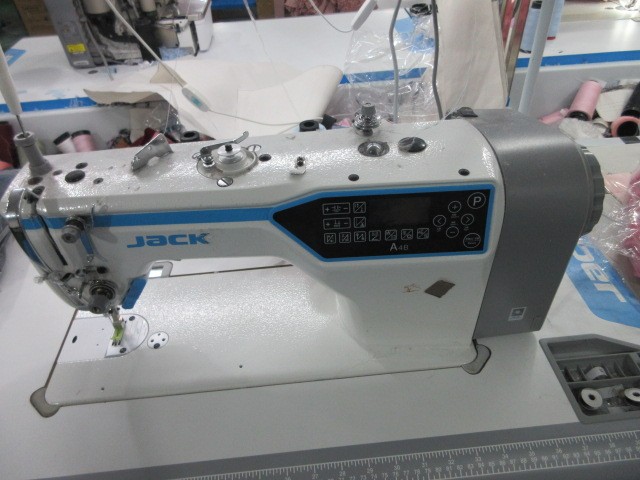
Chinese apparel manufacturers leverage advanced machinery including seamless knitting machines, automated CAD pattern adjustments, and high-precision laser cutting tools. This tech ensures precise sizing, reduces material waste, and guarantees high structural durability.
Modern export-driven Chinese factories align with international certification regimes including ISO 9001, BSCI, and OEKO-TEX Standard 100. This focus on compliance guarantees chemical safety, premium fabric finish, and structural integrity.
The global women's wear and convenience clothing market is undergoing a major evolution. According to consumer intent analysis, modern buyers prioritize dynamic versatility, eco-friendly materials, and adaptive silhouettes. Let's look at the primary macro shifts shaping the future of this sector:
Consumers expect to know the environmental footprint of their garments. Brands are adopting certified materials like 100% organic cotton, recycled polyester (rPET), and Tencel/Modal. Supply chains must provide tracing documentation from raw fiber harvest to final delivery.
The line between business attire and loungewear continues to blur. Modern designs incorporate adjustable waists, hidden stretch features, and moisture-wicking elements, allowing wearers to transition smoothly from virtual business meetings to active workouts.
Driven by online commerce, manufacturers are prioritizing adaptive sizing. Features like smart-stretch waistbands, dynamic seams, and flexible sizing systems reduce product return rates and simplify logistics for global retailers.
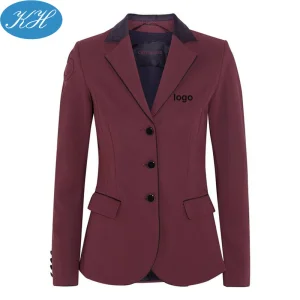
Contemporary professional lifestyles demand clothing that blends elegance and comfort. Professional blazers with soft-knit linings, stretch pants, and breathable shirts allow professionals to maintain an authoritative appearance while enjoying all-day comfort.
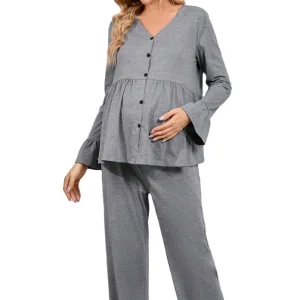
Maternity garments require specialized design considerations, including stretch zones and soft, non-irritating fabrics. Solutions with adjustable waists and buttons provide comforting support that accommodates changing body shapes throughout pregnancy and recovery.
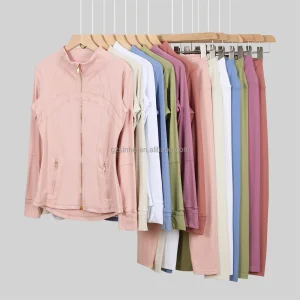
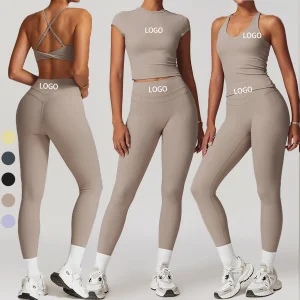
Yoga sets, sport bras, and supportive outerwear must balance stretch capability with structural retention. Utilizing modern double-knit fabrics ensures opacity, moisture management, and reliable muscular compression during training or casual wear.
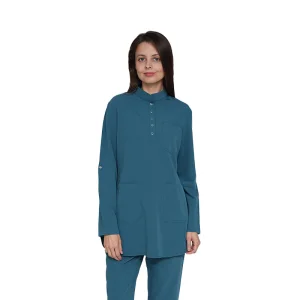
For clinical and care professions, convenience wear translates to easy-to-sanitize fabrics and functional pockets. Modern scrubs are designed to withstand industrial-grade washing cycles while remaining highly breathable and easy to move in.
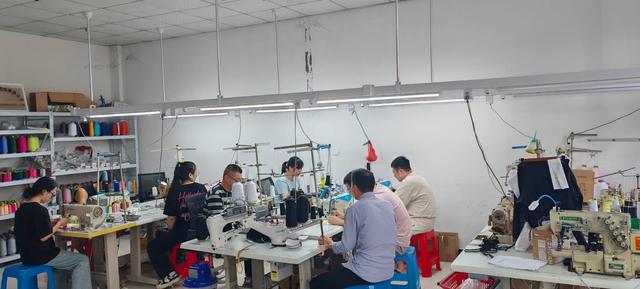
Established in 2012, Guangzhou Dahab Fashion Co., Ltd. is a prominent women's clothing manufacturer based in the industrial textile hub of Guangzhou, Guangdong, China. With a modern, state-of-the-art facility spanning over 16,000 square meters and a workforce exceeding 260 skilled operators, Dahab Fashion delivers comprehensive OEM and ODM garment solutions to global brands, boutique chains, and e-commerce leaders.
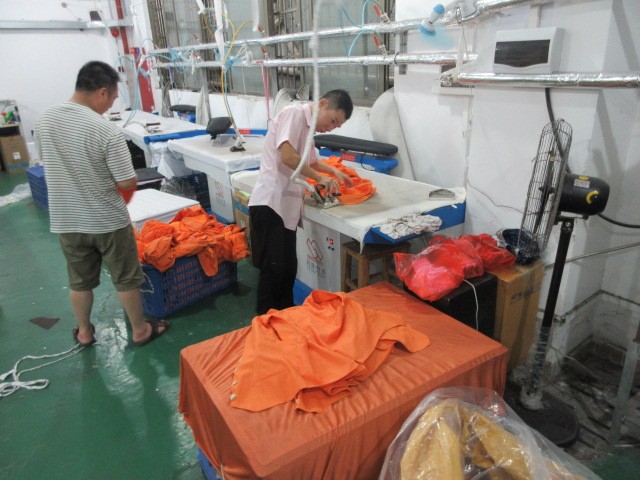
Verify that potential manufacturing partners use certified fabrics. Sourcing products certified under OEKO-TEX Standard 100 or the Global Organic Textile Standard (GOTS) protects your brand from regulatory non-compliance and meets the quality expectations of modern, eco-conscious consumers.
Work with factories that offer flexible Minimum Order Quantities (MOQs). This flexibility allows you to test new designs in smaller batches before scaling up production, helping you optimize capital efficiency and adapt to shifting market demand.
Choose suppliers that utilize digital 3D fitting and design technology. 3D prototyping reduces the time spent on physical sample iterations, leading to faster approvals, lower prototyping costs, and accelerated time-to-market.
Partner with manufacturers situated near major container ports like Guangzhou or Shenzhen. Proximity to these hubs reduces internal shipping times and shipping costs, ensuring smoother, more reliable delivery of goods to global destinations.
 Dahab Fashion