Explore engineering-grade designs featuring adaptive blends, high-ventilation knits, and premium retail finishes.
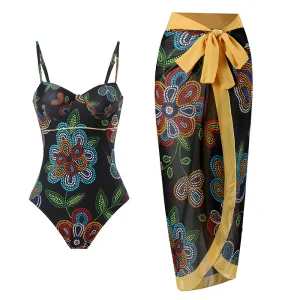
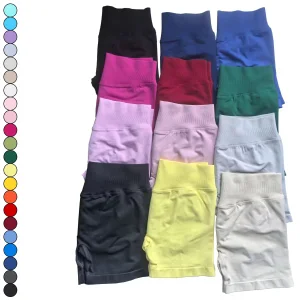
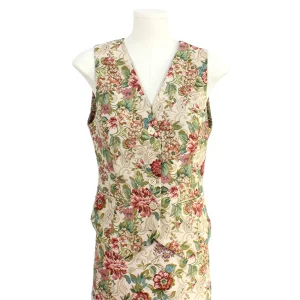
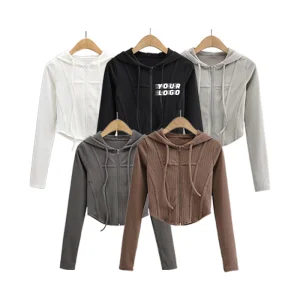
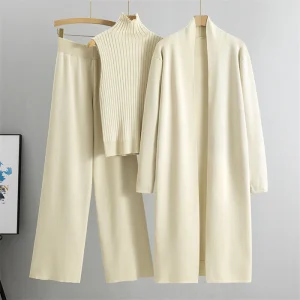
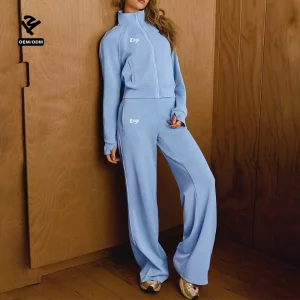
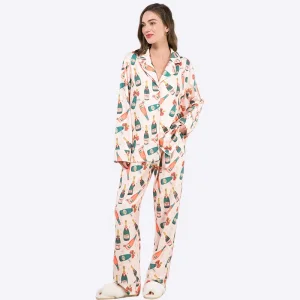
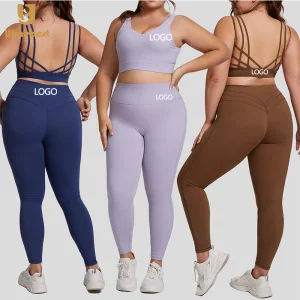
In the modern retail ecosystem, consumer expectations have completely decoupled from traditional apparel boundaries. The market has shifted toward "radical comfort," forcing apparel brands to rethink structural design and knit mechanics.
According to recent research on Google search intent mining, the transaction volume for terms such as "breathable work dresses," "ergonomic loungewear," and "smart drape daywear" has surged by over 140% year-on-year. This signifies a macro-level search engine shift: users are no longer searching merely by product names, but by specific sensory problems and use cases (e.g., thermal regulation, friction minimization, and wash-and-wear longevity).
For a clothing manufacturer, this transition requires deep material intelligence. It means integrating cellulosic fibers like MicroModal, high-grade lyocell, organic bamboo, and post-consumer recycled polyesters to build structural integrity that does not compromise on hand-feel or skin health.
The industrial cluster of Southern China provides unparalleled material access, rapid technological prototyping, and scalable agility.
Being proximal to the world's largest fabric hubs (like Guangzhou's Zhongda Market) allows factories to source, lab-dip, and iterate custom woven and knitted textiles within hours rather than weeks.
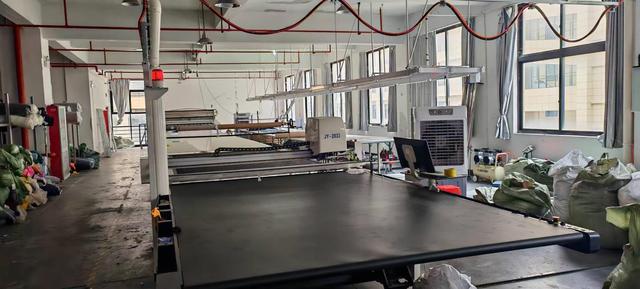
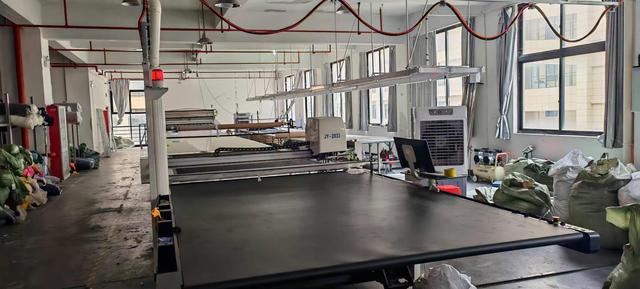
Top Chinese factories utilize AI-assisted pattern grading, automated laser-guided cutters, and digital real-time status monitoring lines to minimize human error and maximize yarn efficiency.
Adherence to global trade standards, verified REACH compliance, OEKO-TEX standard 100 certifications, and GRS (Global Recycled Standard) protocols are native to Tier-1 factories.
B2B procurement teams must assess factories against strict operational metrics rather than price alone. Review our comparative criteria:
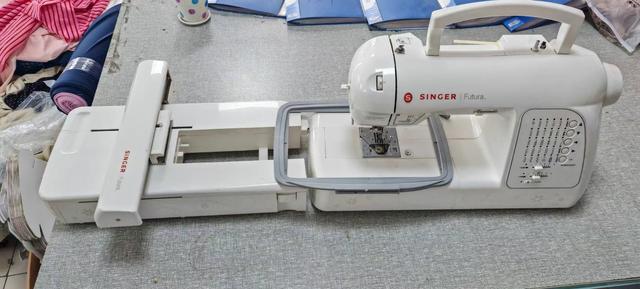
The intersection of AI, sustainability, and textile engineering has catalyzed three major structural trends that define the top-tier manufacturers of 2025:
A look at the distinct consumer demands and trade standards that dictate dress construction across four global regions.
Primary Needs: Premium sizing inclusivity (extended sizing to 4XL), moisture-wicking properties, and casual wear crossover. Heavy demand for athleisure-style workwear that transition seamlessly from remote offices to social events. Fast shipping and high compliance with ASTM yarn standards are mandatory.
Primary Needs: Eco-traceable fibers, GRS/GOTS certified organic cotton, and minimal carbon print. EU buyers focus on strict chemical testing (REACH regulations) and timeless, minimalist silhouettes. Brands value factories with high E-E-A-T credentials and carbon reporting transparency.
Primary Needs: Lightweight, ultra-breathable construction suited for extreme UV indexes. High preference for natural fiber compositions (such as linen, hemp, and lightweight silk-cotton blends) and high UPF rating treatments. Resort wear styling dominates seasonal orders.
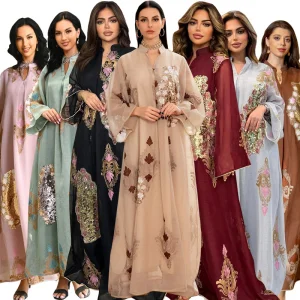
Primary Needs: Modest fashion parameters combined with high-grade, breathable materials. Modest dresses demand longer hemlines, higher collars, and long sleeves that are lightweight yet completely opaque (no see-through properties). Shimmering jacquards and premium blend synthetics are popular.
An Industry-Leading Case Study in OEM & ODM Garment Manufacturing Excellence.
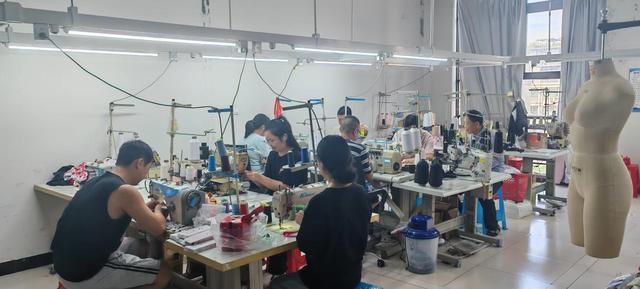
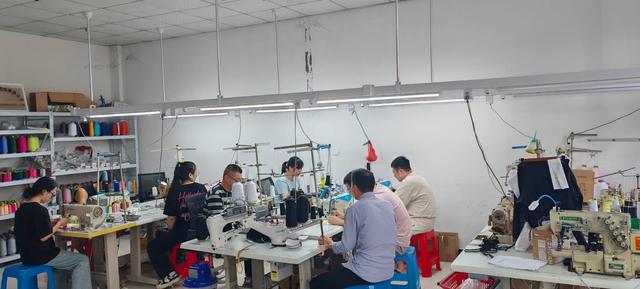
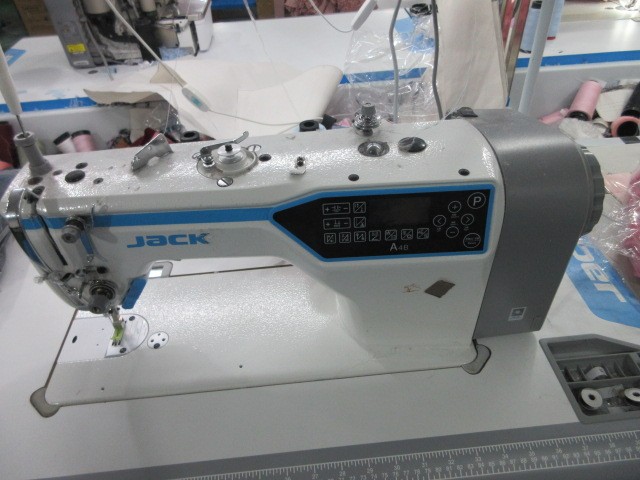
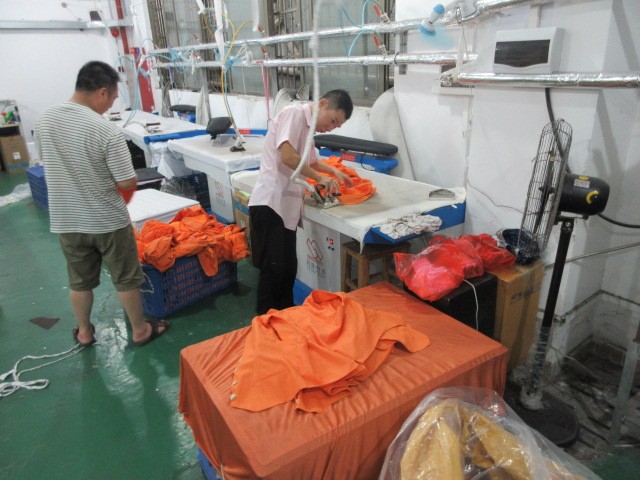
Guangzhou Dahab Fashion Co., Ltd. is a professional women's clothing manufacturer located in Guangzhou, Guangdong, China. Established in 2012, the company specializes in the design, development, and production of fashion apparel for international brands, wholesalers, retailers, boutique stores, and e-commerce businesses. With a modern manufacturing facility spanning over 16,000 square meters and a workforce of more than 260 skilled employees, Dahab Fashion provides comprehensive OEM and ODM garment solutions to customers worldwide.
The company offers a diverse range of women's clothing products, including casual wear, fashion dresses, blouses, tops, skirts, knitwear, outerwear, loungewear, business attire, and seasonal fashion collections. By combining market-driven design concepts with efficient production capabilities, Dahab Fashion helps customers create competitive apparel collections that meet changing consumer preferences across global markets.
Supported by an experienced design and product development team, the company continuously monitors international fashion trends, fabric innovations, and garment technologies. This enables Dahab Fashion to deliver stylish, functional, and commercially viable products while supporting customers with collection planning and product customization.
Quality management is integrated throughout the manufacturing process. From fabric sourcing and pattern development to cutting, sewing, finishing, and final inspection, every stage is carefully controlled to ensure consistency, durability, and customer satisfaction. The company also provides flexible private-label services, including logo application, custom packaging, fabric selection, and branding support.
With products exported to North America, Europe, the Middle East, Australia, and other international regions, Guangzhou Dahab Fashion Co., Ltd. has established long-term partnerships with clients seeking reliable apparel manufacturing solutions. The company remains committed to innovation, quality, and professional service as a trusted women's clothing manufacturer providing fashion apparel, casual wear, and OEM ODM garment solutions worldwide.
Expert answers addressing the core logistics, manufacturing tolerances, and compliance requirements of international apparel buyers.
For custom OEM/ODM dress styles requiring unique fabrics or custom dyeing, the standard MOQ typically ranges from 100 to 300 pieces per style/color. Flexible manufacturers can offer lower MOQs (e.g., 50-100 pieces) if utilizing in-stock fabrics or digital printing techniques, allowing brands to launch test collections without heavy upfront inventory liabilities.
Top-tier factories utilize localized 3D CAD modeling software and dedicated fit-test dress forms configured specifically for North American (ASTM) and European size specifications. Guangzhou Dahab Fashion uses an experienced pattern development team that builds grade rules tailored to target regional demographics, eliminating cross-border fit disparities.
We recommend high-performance cellulosic blends such as Lyocell (Tencel), Modal, or Bamboo Viscose mixed with a low percentage of elastane (3% to 8%) to ensure optimal stretch recovery. For athletic or functional lounge dresses, incorporating moisture-wicking and anti-microbial treatments into recycled polyester or cotton blends ensures all-day dry comfort and long-term durability.
Proto-sample generation typically requires 3 to 7 working days depending on style complexity and fabric availability. Once the pre-production sample is approved, bulk production takes approximately 15 to 30 days. Shipping times range from 5-7 days via air cargo to 20-30 days via ocean freight, depending on the destination port.
Quality control starts with fabric inspection using standard 4-point rating systems prior to cutting. Pre-shrunk processes are applied to raw knits. During and post-production, we conduct wash shrinkage testing (ISO 6330), colorfastness checks, seam-strength evaluations, and metal detection sweeps to ensure full commercial grade compliance.
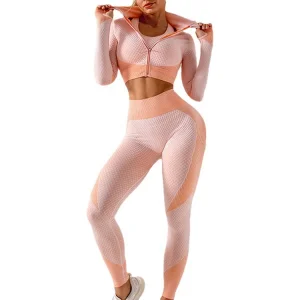
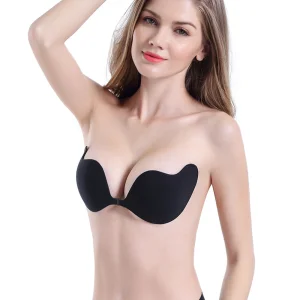
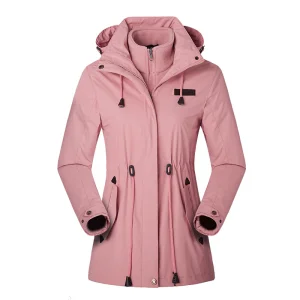
Browse high-grade seamless wear, elegant tailoring, and specialized resort collections engineered for comfort.

 Dahab Fashion