
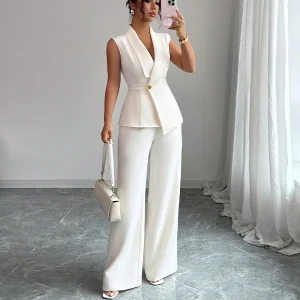
Analyzing the macroeconomic supply chains, structural shifts, and the critical role of agile factory partnerships.
The global women's fashion landscape is undergoing a structural paradigm shift. Brands and retailers are transitioning away from high-volume, rigid purchasing cycles toward dynamic, demand-driven inventory pipelines. According to recent industrial data, the worldwide women's apparel market is estimated to reach over USD 900 billion by 2028, growing at a CAGR of 4.7%. However, the core driver of profitability in this segment is no longer just cost reduction, but agility and supply chain alignment.
Modern consumers expect highly customized, sustainable, and trend-aligned options in rapid succession. Historically, apparel manufacturing relied on long lead times of six to nine months, typically outsourced to locations with minimal infrastructure flexibility. Today, modern OEM and ODM ecosystems, notably centered in the advanced textile clusters of Guangzhou, Guangdong, allow global brands to prototype, refine, and scale fashion collections within weeks.
While nearshoring has gained traction in Europe and North America to counter geopolitical disruption, East Asian manufacturing clusters remain irreplaceable due to deeply integrated raw material ecosystems, synthetic yarn production capabilities, and cutting-edge mechanical automation.
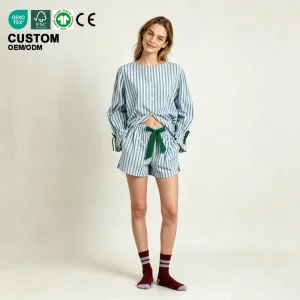
B2B apparel sourcing demands highly specific fabric formulations, strict environmental compliance (such as GOTS certifications for organic fibers), and functional upgrades including moisture-wicking and wrinkle-resistant synthetics designed for versatile modern lifestyles.
By leveraging digital CAD/CAM interfaces and virtual garment fitting, suppliers and buyers minimize deadstock. Small-batch initial production runs are tested live on digital storefronts, with replenishment cycles executed rapidly upon consumer validation.
How technology, sustainability, and dynamic consumption behaviors are redefining apparel supply chains.
Environmental governance is no longer optional. Regulatory shifts such as the EU's Ecodesign for Sustainable Products Regulation (ESPR) demand transparency. High-tier ODM factories are shifting to organic cotton, recycled polyester (rPET), and certified non-toxic dyes, offering complete traceability from fiber to hanger.
From predictive demand forecasting to automated fabric pattern placement, AI prevents scrap generation. Intelligent sewing suites and laser cutting machines ensure that dimensional tolerance margins are kept below 1mm, guaranteeing consistent sizing across international product batches.
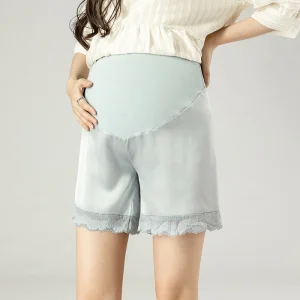
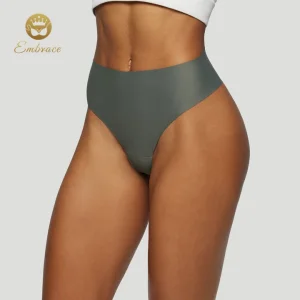
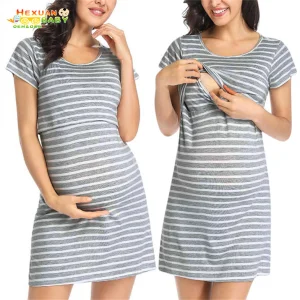
Segments like adaptive wear, high-waist maternity shorts, and camel-toe-proof supportive activewear are experiencing explosive search volume. Consumers prioritize anatomical functionality and comfort engineering, forcing manufacturers to innovate in structured sewing and specialized elastic knitwear.
A transparent overview of the systematic, high-precision manufacturing pipeline.
We source raw fibers globally, executing lab validation for colorfastness, shrinkage (tensile strength), pill resistance, and chemical toxicity parameters. Fabrics undergo pre-shrinking processes to ensure that after-wash stability meets global garment guidelines.
Utilizing high-end CAD software, our design team transforms 2D sketches into 3D digital avatars. This reduces physical pattern iteration time by 70%, allowing clients to preview drape, tension, and fitment dynamics prior to any physical fabric cutting.
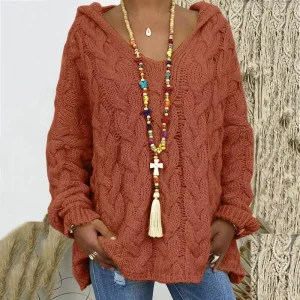
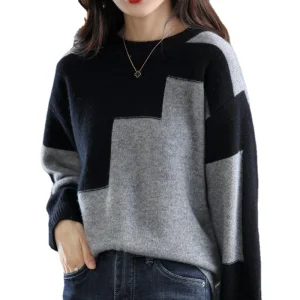
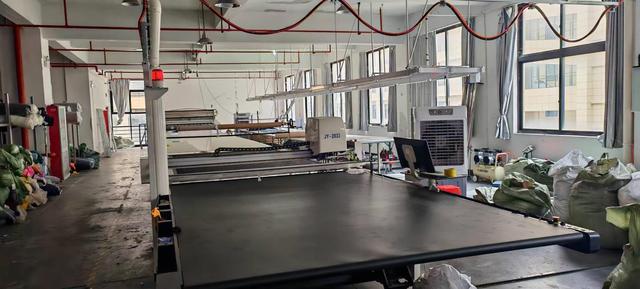
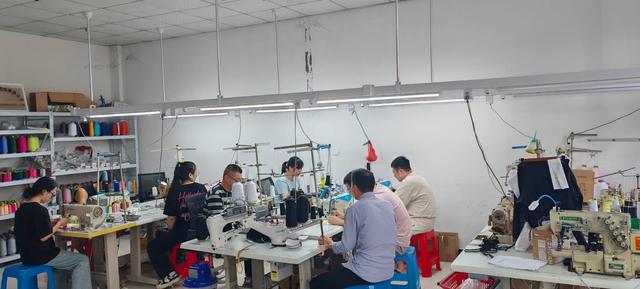
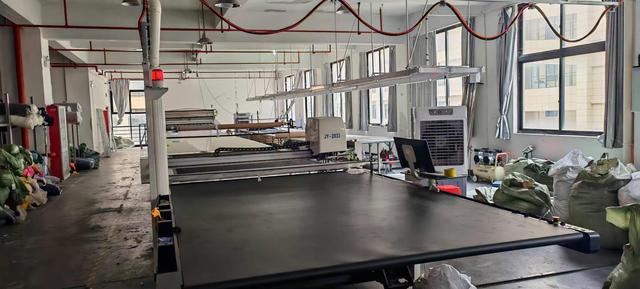
Computer-controlled laser cutting systems nest patterns to maximize fabric yield. Components are then routed to specialized sewing lines where heavy-knit pullovers, seamless base layers, or tailored suits are assembled under standardized quality procedures.
Every garment undergoes in-line checks and final standard checks (AQL 2.5 framework). We inspect seam alignment, button tension, zipper reliability, loose threads, and dimensional accuracy, guaranteeing defect-free bulk shipments.
Aligning product attributes with regional standards, climates, and consumer expectations.
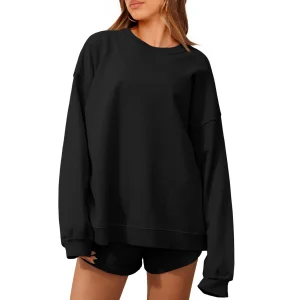
The North American market demands high durability and dual-purpose styling. Outfits must seamlessly transition from home-office setups to street contexts. Utilizing premium cotton blends and recycled polyester fibers, we manufacture relaxed-fit lounge sets and street-ready hoodies that stand up to commercial laundering while maintaining shape stability.
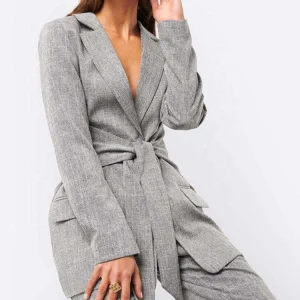
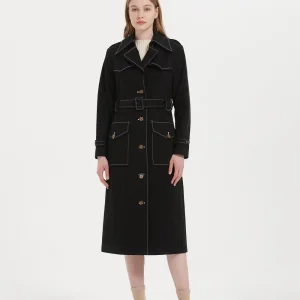
European clients place heavy emphasis on certifications (GOTS, OEKO-TEX Standard 100) and structured, formal silhouettes. The demand centers around clean-cut workplace apparel and sustainably dyed outercoats. Our production lines utilize certified organic mills and hazard-free dye houses to satisfy strict EU chemical compliance standards.
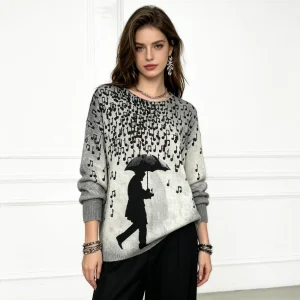
Due to regional climates and cultural requirements, the focus in these markets centers on breathable, lightweight, and opaque materials. Loose-cut formal wide-leg coordinates and breathable knit pullovers utilizing high-grade acrylic and nylon blends provide temperature regulation and clean drape shapes.
Tailored corporate models designed to support e-commerce startups, mid-tier labels, and global retail chains.
Complete execution of your proprietary tech packs. We handle raw material sourcing, sample prototyping, and bulk production, ensuring full intellectual property protection and exact replication of your design specs.
Access our vast, trend-driven style library. Select pre-developed silhouettes, modify fabrics or trims, and apply your custom branding, drastically reducing development timelines and market testing costs.
Ideal for rapid market deployment. Add custom neck labels, branded hangtags, and custom sustainable packaging options to our proven catalog products, allowing you to scale up without massive R&D investments.
Your Trusted Partner in High-End Women's Apparel Manufacture
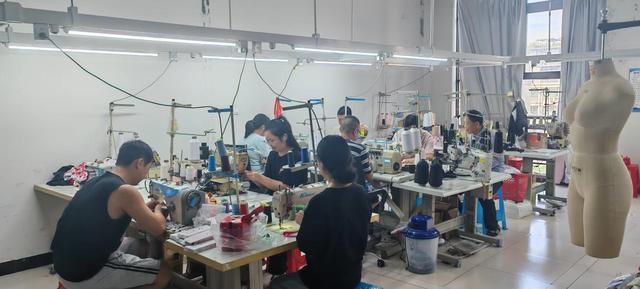
Established in 2012, Guangzhou Dahab Fashion Co., Ltd. is a leading professional women's clothing manufacturer based in the prominent garment hub of Guangzhou, Guangdong, China. Over the past decade, we have established ourselves as a crucial link in the global supply chain, serving international brands, major boutique networks, independent labels, and fast-growing e-commerce businesses. Operating out of a modernized, digitally integrated production facility spanning more than 16,000 square meters, our dedicated team of 260+ skilled tailors, designers, and quality inspectors manufactures thousands of units monthly with strict compliance standards.
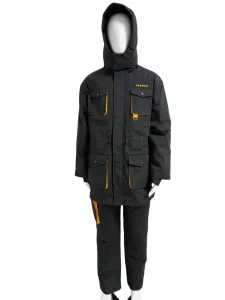
Our product catalog is diverse and dynamic, encompassing casual daily wear, sophisticated fashion dresses, office-wear blouses, skirts, custom knitwear, protective outerwear, luxury loungewear, and complex seasonal lines. By maintaining a deep inventory of premium fabrics and utilizing advanced machinery, we bridge the gap between design concepts and retail-ready merchandise. Our collaborative customer approach offers deep transparency and support, ensuring you receive consistent production updates and on-time international logistics deliveries.
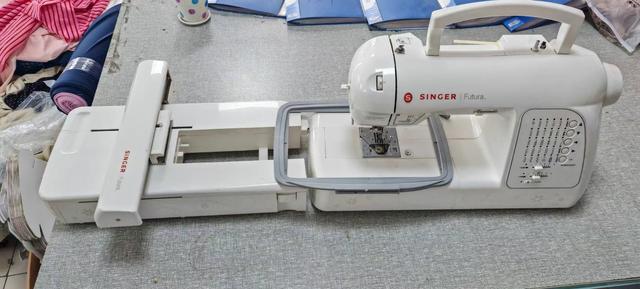
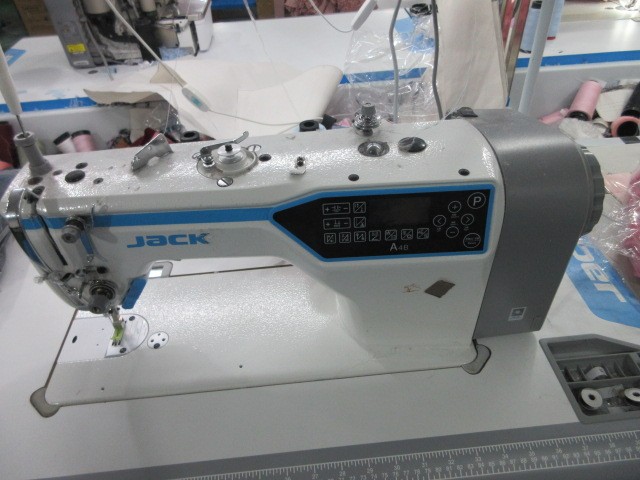
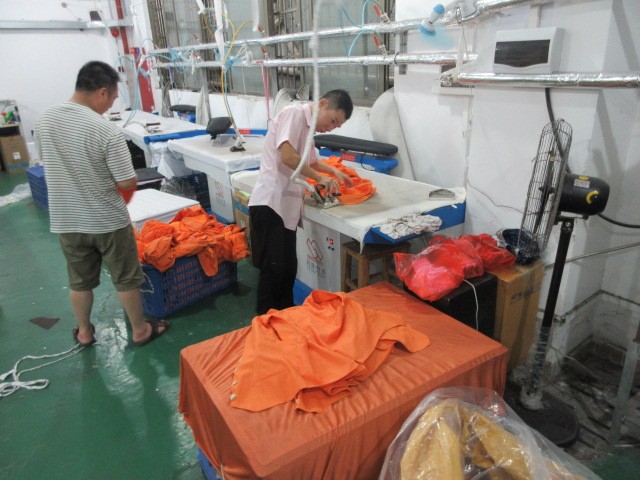
Real-time visual verification of our assembly lines, cutting tables, finishing sectors, and clean warehouse storage.
Addressing critical operational questions from brands, designers, and purchasing directors.
Our MOQs are designed to accommodate both emerging designer labels and high-volume retail buyers. Typically, our standard MOQ starts from 100 to 200 units per style/color, depending on fabric specifications and complexity of construction. We offer flexibility for custom sizes within this allocation to support collection variety.
We work with regional sizing charts (US, UK, EU, AU, and Asian standards). Our CAD pattern makers construct digital templates aligned with each destination's target demographics. Physical fit models are used during sampling phases, and shrinkage lab analysis is executed on all new fabric batches to lock in final sizing configurations.
Yes. Our workshop houses specialized machinery suited for various fabric weights. This includes fine sewing lines for delicate underwear/thongs, heavy-duty linkers for premium cashmere loungewear, and high-tension flatlock stitching machines for quick-dry athletic apparel. We source certified GOTS cotton and recycled polyester directly from accredited partner mills.
Typically, sample production takes 7 to 10 working days after tech pack or reference confirmation. Once samples are approved and deposit procedures finalized, bulk garment manufacturing is completed within 20 to 35 days, depending on fabric availability and current order volumes in our facility schedule.
We apply a four-stage quality assurance protocol: 1) Incoming Quality Control (IQC) for all raw fabrics and trims; 2) Input Process Quality Control (IPQC) checking pre-assembly sewing lines; 3) Final Quality Control (FQC) reviewing finished garments; 4) Outgoing Quality Control (OQC) executing pre-shipment inspections using the industry-accepted AQL 2.5 standard framework.
 Dahab Fashion