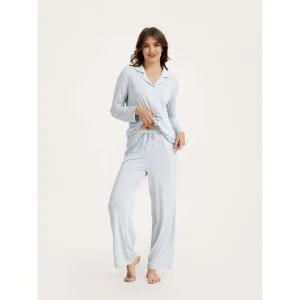
High-demand foundational and seasonal designs tailored for rapid OEM adaptation and wholesale distribution.
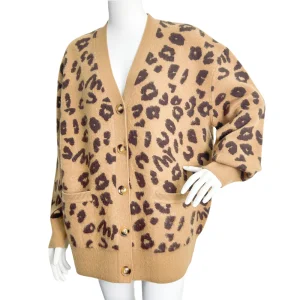
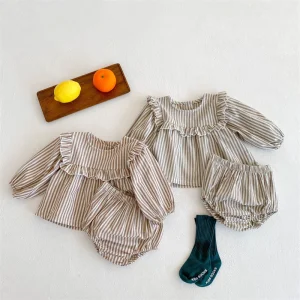
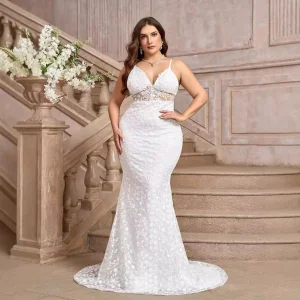
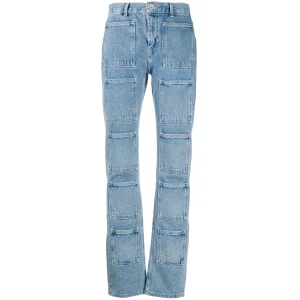
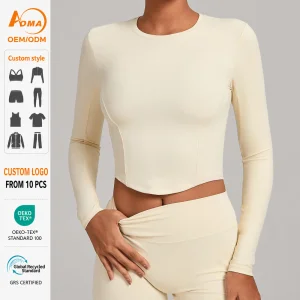
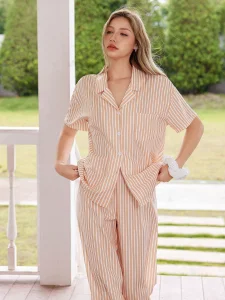
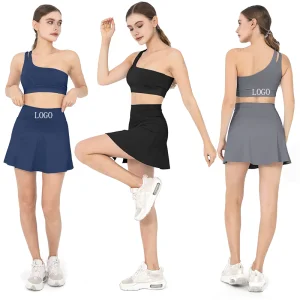
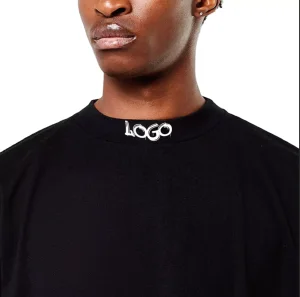
The global textile and apparel industry is undergoing an unprecedented structural transition. In the domain of Women's Essential Fashion, the paradigm has decisively shifted from low-cost, disposable fast fashion toward highly durable, structurally resilient, and sustainable apparel components. Today's commercial buyers—ranging from multinational retail enterprises and direct-to-consumer (DTC) brands to custom e-commerce stores—require far more than simple factory output.
Global demand now centers on semantic intent alignment, where design development, raw material sourcing, and physical production lines operate as an integrated, data-driven feedback loop. Brands require agile OEM and ODM partnerships that provide deep technological implementation, sustainable certifications, and localized customization models that address regional regulations and diverse body morphology profiles.
As consumer consciousness leans heavily into capsule wardrobes and versatile "essential" wear, manufacturers must master advanced textile performance, zero-inventory-waste processing, and circular fabric technologies to keep their global partners competitive.
Mapping the macro-dynamics of global apparel distribution, sourcing vectors, and consumer preference indexes.
Supply chain diversification requires stable nodes of production. China remains the center of gravity for high-complexity, multi-material essential apparel due to deep upstream supply integration.
The modern market requires highly customized sizing and fabric variations (e.g., standard bases, plus-size models, modest styling options) produced dynamically with minimal lead times.
Traditional seasonal orders are replaced by "Test and Scale" methods, meaning suppliers must support smaller initial batch MOQs paired with rapid replenishment systems.
Guangzhou’s Pearl River Delta region remains the premier global hub for sophisticated apparel production. The core competitive edge of this cluster is not just labor capacity, but unmatched structural integration. Within a 50-kilometer radius, factories access vast raw materials, chemical dye houses, specialized accessory markets, and automated cargo logistics hubs.
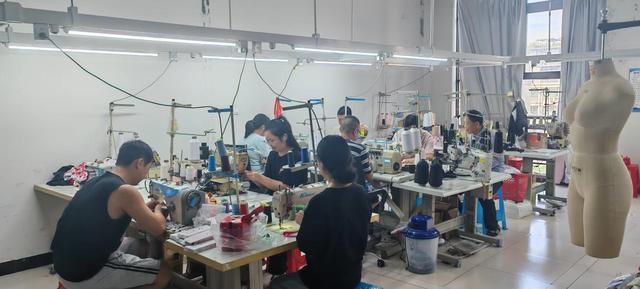
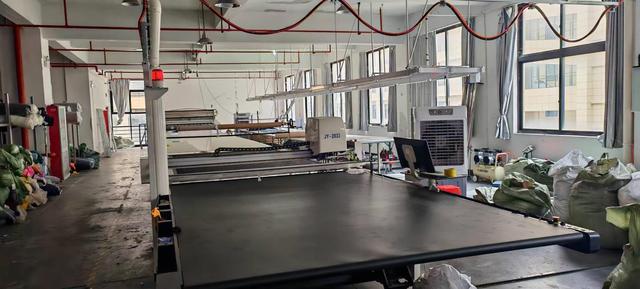
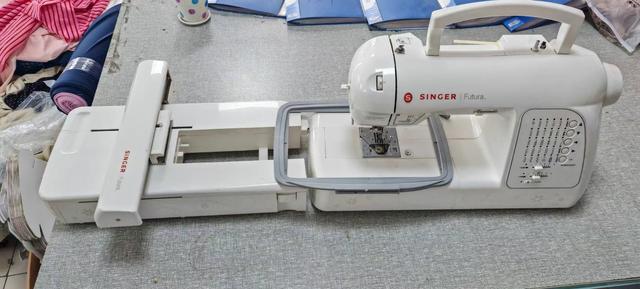
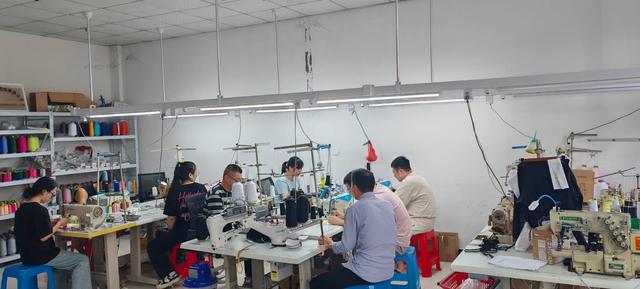
At Guangzhou Dahab Fashion Co., Ltd., this industrial synergy is leveraged to execute highly responsive ODM/OEM services. Our 16,000 square meter facility handles design translation, precise computer-aided pattern nesting, high-throughput cutting, and advanced seam construction under one roof.
This vertical alignment enables us to compress the standard product development cycle from 45 days down to 14 days, protecting our global partners from market volatility and mitigating overstock risks through agile batch management.
How our diverse garment categories are tailored to meet localized retail demands and consumer demographics across key geographic sectors.
Focus on oversized loungewear and high-performance athleisure (e.g., seamless yoga wear, gym sets). Brands prioritize moisture-wicking properties, high stretch recovery, and relaxed sizing configurations suitable for diverse demographics.
Demands strict eco-compliance and minimalist, elegant business casual apparel. Products require OEKO-TEX certified cottons, recycled polyester yarns (GRS), and formal blazers featuring highly refined structure and draping.
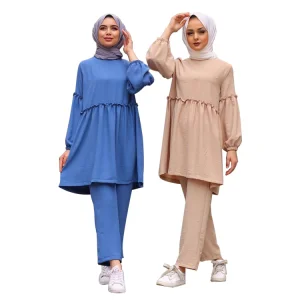
Tailored lines featuring lightweight, highly breathable fabric blends. Products include elegant two-piece modest suits, lined ruffle tops, and long skirts configured for thermal comfort in hot climates without compromising coverage.
Apparel manufacturing is undergoing a digital transformation. The integration of technology throughout the design and production pipeline minimizes error margins and accelerates execution. Our technological roadmap defines the transition from conventional manufacturing to an agile, digitally enabled ecosystem.
Replacing physical design revisions with 3D garment rendering. This tech allows clients to visualize fabric drape, stitching parameters, and pattern fit in real-time, reducing sample waste and accelerating approval cycles by 70%.
Computerized layout nesting maximizes fabric utilization. Laser cutting machines ensure precise dimensional accuracy down to the millimeter, maintaining high consistency across bulk manufacturing runs.
Pivoting toward eco-friendly modal fibers, organic cottons, and biodegradable polymers. Introducing dye-saving clean water recirculation techniques within our broader manufacturing network.
Established in 2012, Guangzhou Dahab Fashion Co., Ltd. is a professional women's clothing manufacturer based in the apparel hub of Guangzhou, Guangdong, China. We specialize in the design, development, and production of fashion apparel for international brands, wholesalers, retailers, boutique stores, and e-commerce platforms.
Operating a modern facility spanning over 16,000 square meters and supported by a workforce of more than 260 skilled employees, Dahab Fashion provides comprehensive OEM and ODM solutions to clients globally. Our product catalog covers a diverse range of women's apparel, including casual wear, fashion dresses, blouses, tops, skirts, knitwear, outerwear, loungewear, business attire, and seasonal collections.
Our experienced design and development team continuously monitors international trends, fabric innovations, and garment technologies. This allows us to deliver commercial apparel collections that align with shifting consumer preferences. Quality management is integrated at every stage, from fabric sourcing and pattern development to cutting, sewing, finishing, and final inspection. We also provide flexible private-label services, including logo application, custom packaging, fabric selection, and brand support.
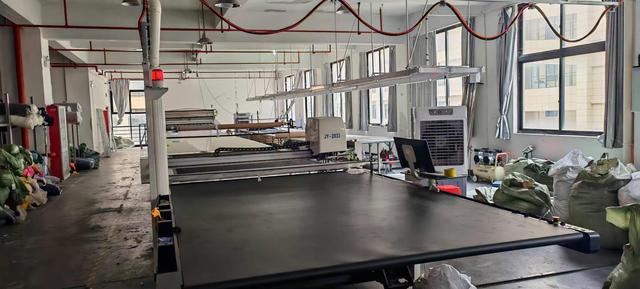
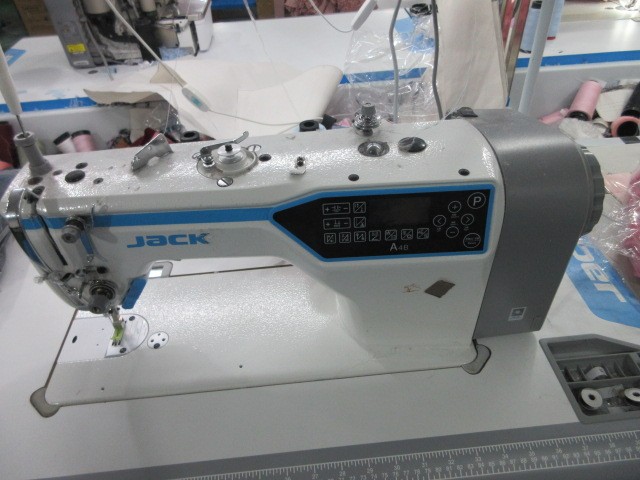
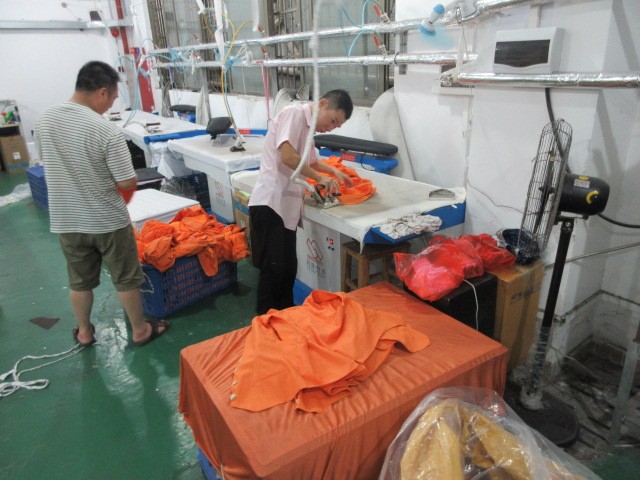
Navigating cross-border commerce requires strict adherence to international legal, environmental, and labor frameworks. Guangzhou Dahab Fashion maintains certification standards across our production network, including BSCI, Sedex, and GRS protocols, ensuring ethical workplace conditions and transparent material paths.
Our customs department works directly with global logistics networks to handle duties, tariffs, and localized compliance documentation for markets across North America, Europe, Australia, and the Middle East. By managing end-to-end logistics pathways, we minimize clearance delays and secure freight lanes to protect our partners' supply chain stability.
Our QA team performs multi-step checks: raw yarn tensile tests, inline seam inspection, pressing analysis, and final packaging reviews to meet AQL 2.5 quality parameters.
Essential insights for procurement directors, product developers, and brand owners seeking to partner with Chinese apparel factories.
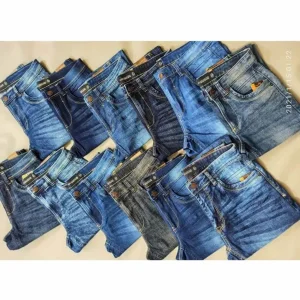
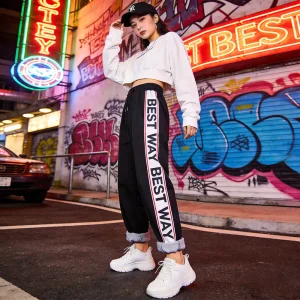
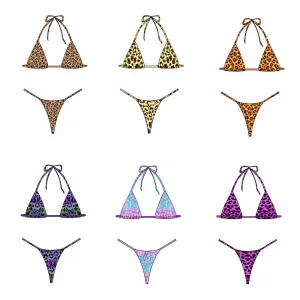
Explore our specialized categories, from tailored corporate wear to knitted activewear and loungewear.


 Dahab Fashion