Explore our trending, highly-tailored fashion products developed for international retail alignment and agile brand expansion.
The global women's trendy clothing sector has transitioned from static seasonal releases to dynamic, micro-demand execution models. Currently valued at over $800 billion globally, the market demands high operational agility. The traditional manufacturing paradigm often results in excess deadstock, but modern OEM and ODM ecosystems have leveraged data intelligence to revolutionize lead times.
As consumer behavior shifts toward digitized social commerce, international retailers require supply chains that mitigate upfront design risk. By utilizing flexible, localized material sourcing networks and streamlined pattern drafting, factories can convert digital designs into retail-ready apparel in as little as 10 to 14 days.
Guangzhou, China serves as a key node in this global fashion network, hosting advanced fabric mills and garment facilities that facilitate rapid production turnarounds. Integrating advanced logistics with intelligent inventory control is crucial for maintaining market responsiveness.
The convergence of material science, environmental regulations, and automated machinery dictates the trajectory of modern garment factories.
Brands now demand low-impact options like biodegradable fabrics, organic fibers, and post-consumer recycled polyesters. This shift requires factories to secure GOTS and GRS certifications to verify environmental compliance from fiber to finished garment.
Replacing physical sampling with 3D CAD modeling reduces fabric waste and speeds up approvals. These digital files translate directly to cutting patterns, cutting sampling times from weeks to days.
Modern consumers expect versatile apparel. Integrating UV protection, moisture-wicking finishes, thermal regulation, and high-stretch recovery into everyday fashion helps brands offer clear value over standard alternatives.
Discover the infrastructure, process management, and quality control systems driving Guangzhou Dahab Fashion Co., Ltd.
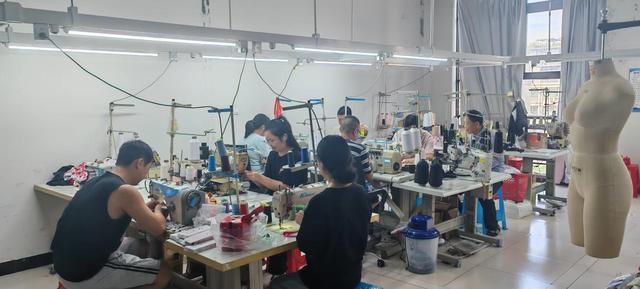
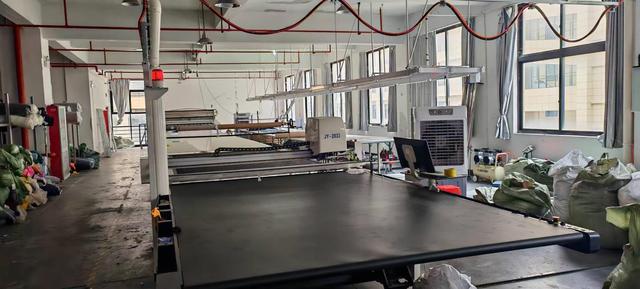
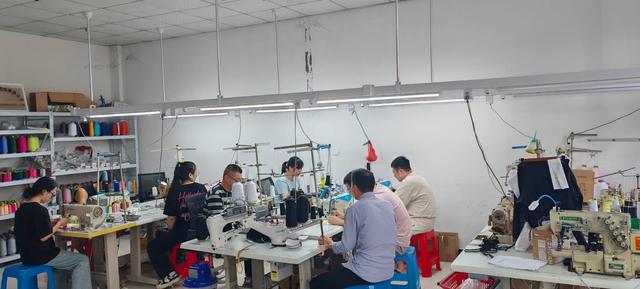
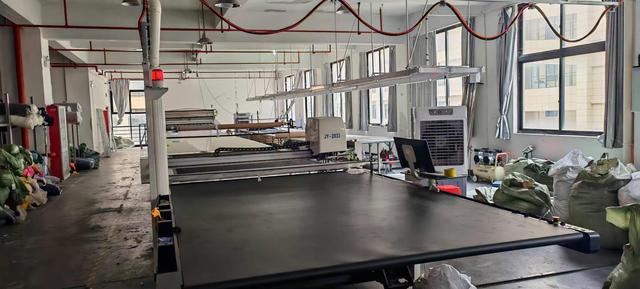
Established in 2012, Guangzhou Dahab Fashion Co., Ltd. is a professional women's clothing manufacturer based in Guangzhou, Guangdong, China. Spanning a modern manufacturing facility of over 16,000 square meters and supported by a workforce of more than 260 skilled employees, the company provides comprehensive OEM and ODM garment solutions to global brands, wholesalers, retailers, boutiques, and e-commerce enterprises.
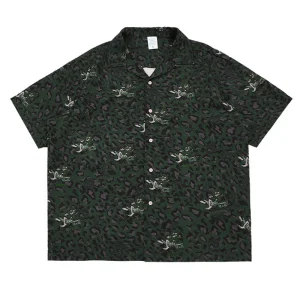
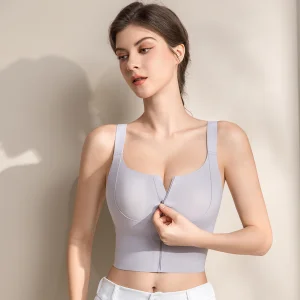
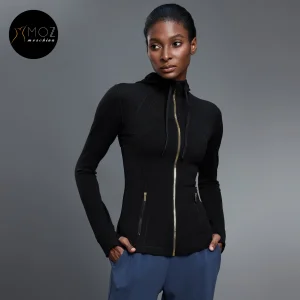
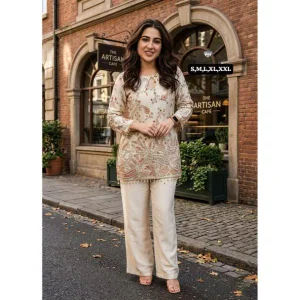
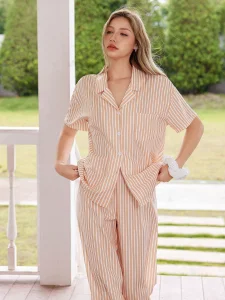
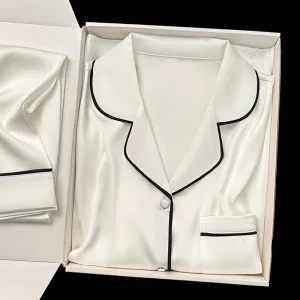
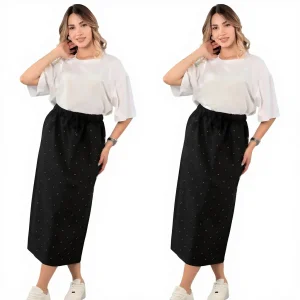
Dahab Fashion's product portfolio covers casual wear, fashion dresses, blouses, tops, skirts, knitwear, outerwear, loungewear, business attire, and seasonal collections. By matching market-driven designs with efficient manufacturing systems, they help international clients build competitive fashion lines. Their dedicated product development team closely tracks global design trends and fabric innovations, ensuring all products are both functional and commercially viable.
Adapting manufacturing processes and logistics to navigate regional trade requirements and regional consumer preferences.
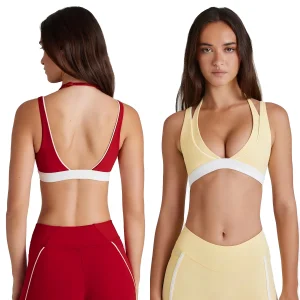
Focuses on size-inclusive sportswear and casual wear. Logistics strategies utilize customs programs like Section 321 de minimis exemptions to optimize high-volume direct-to-consumer parcel distribution.
Prioritizes circularity and material transparency. Products are manufactured in compliance with REACH standards and local Extended Producer Responsibility (EPR) regulations, backed by clean certification records.
Requires aligned counter-seasonal product planning. Sourcing leans toward lightweight, highly breathable linen and cotton blends, alongside UV-resistant performance fabrics.
A strategic vision for integrating digitalization, automation, and intelligent resource planning into our production facilities.
Implementing 3D CAD modeling tools to replace traditional samples. This transition speeds up client approvals, minimizes fabric waste, and reduces pre-production delays.
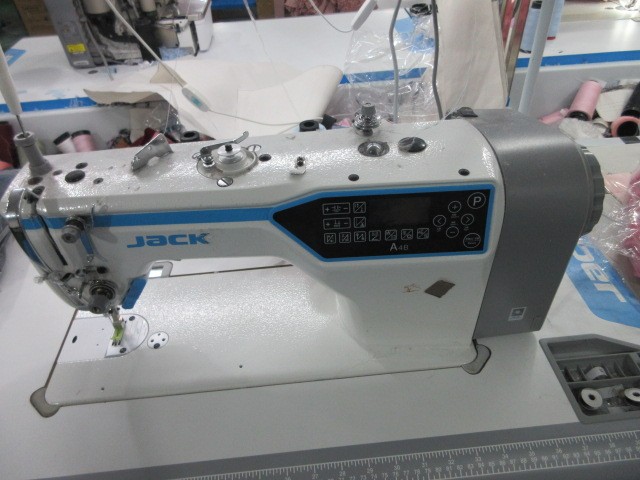
Deploying smart sensors across sewing machines and cutting stations. This setup tracks production efficiency in real time, helping prevent bottlenecking on the factory floor.
Using predictive inventory management to align fabric sourcing with seasonal retail demand data, mitigating deadstock risk for long-term partners.
Tailored manufacturing programs designed for different business models and scale requirements.
Tailored for high-growth digital brands requiring flexible minimum order quantities (MOQs), rapid test-and-repeat cycles, and direct integration with active e-commerce platforms.
Engineered for high-volume distributors. Focuses on bulk container management, strict quality compliance audits, and packaging optimized for immediate store distribution.
Created to support independent brands with comprehensive private-label options, custom tags, bespoke packaging, and specialized fabric sourcing to ensure market differentiation.
Common inquiries regarding OEM/ODM clothing production, order logistics, and manufacturing processes.
Our MOQs depend on style complexity and fabric specifications. Generally, we support flexible MOQs per style and colorway. This flexibility allows brands to test new designs before committing to larger production runs, minimizing inventory risk.
Clients can share design tech packs, sketches, or reference samples. Our product development team creates initial paper patterns, sources matching fabrics, and delivers physical pre-production samples for client fitting and approval within 7-10 working days.
Yes. We provide complete branding packages, including custom woven main labels, paper hangtags, specialized wash care instructions, custom sizing stickers, and branded polybag packaging to deliver retail-ready products.
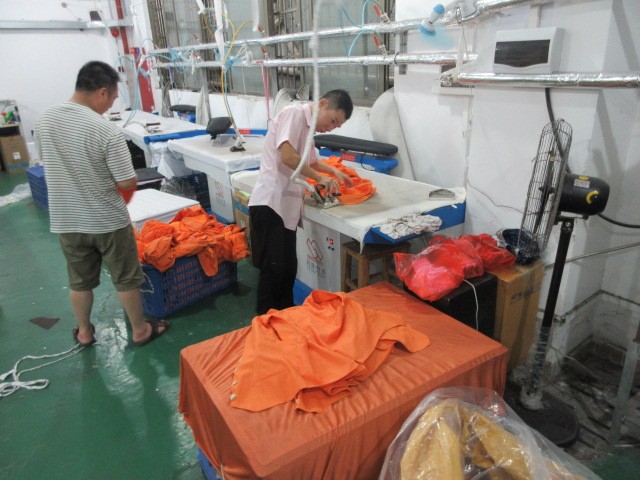
Quality management is integrated throughout our production process. We perform raw material checks upon receipt, conduct inline quality inspections during sewing, and run a final inspection on every batch before packaging to ensure strict compliance with international standards.
Once samples are approved and fabric deposits are received, standard production runs typically take 25 to 35 days, depending on order volume. We coordinate shipping options, including express air courier, sea freight, and combined logistics, to meet client delivery windows.
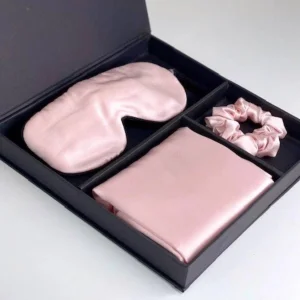
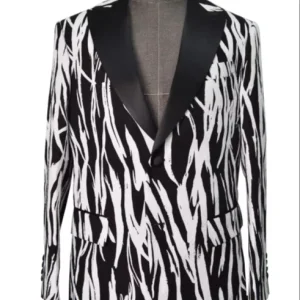
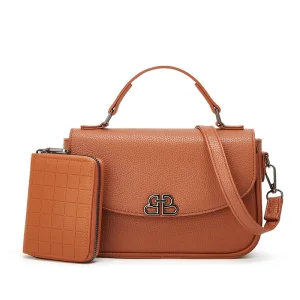
Premium lifestyle products, accessories, and formal designs produced under strict quality standards.
 Dahab Fashion