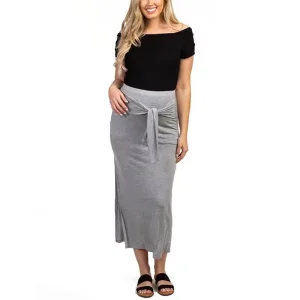
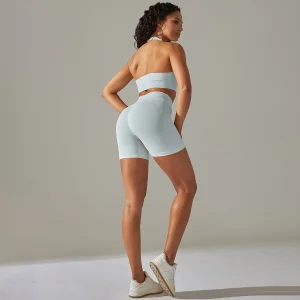
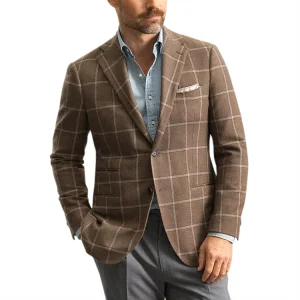
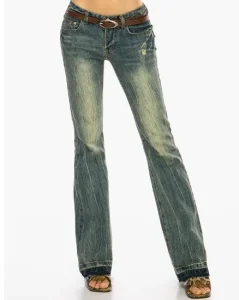
Explore a curated selection of our diverse apparel solutions exported to boutique owners, bulk wholesalers, and private label retailers worldwide.
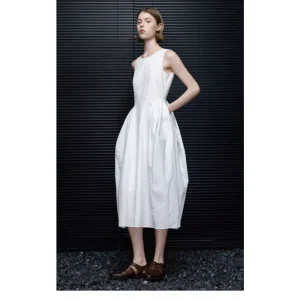
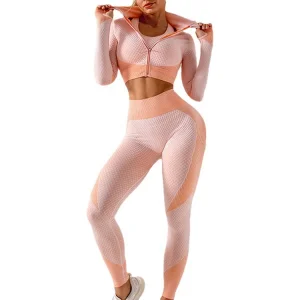
The global women's winter outerwear market has transcended basic thermal utility. Today, it stands at the intersection of material science innovation, luxury aesthetics, and circular supply chain requirements.
Global consumer consciousness has shifted B2B demand toward eco-certified raw inputs. Enterprise buyers are actively sourcing winter outerwear fabricated from GRS (Global Recycled Standard) certified polyester, post-consumer recycled down, and vegetable-based DWR (Durable Water Repellent) membranes that avoid toxic PFAS chemicals.
Modern consumers demand versatile pieces that shift seamlessly from professional urban environments to active weekend terrains. This transition drives growth in convertible trenches, modular down parkas with detachable chambers, and lightweight yet windproof shells that serve multiple micro-climates.
Thermal management is no longer uniform. By implementing body-mapping technology, winter coats are now designed with localized densities of premium goose down or synthetic aerogel composites. This ensures optimized insulation in high-exposure body zones while retaining streamlined silhouettes.
B2B analytical data reveals a 32% year-over-year surge in search queries for "packable high-loft warm-to-weight ratio jackets". Global procurement leads must phase out bulky, low-density fills in favor of advanced multi-layered micro-ribbing structures that offer warmth without the traditional shipping bulk, thereby cutting down maritime cargo volume and cost by up to 15%.
How Chinese manufacturers, particularly those in the Guangdong textile hub, maintain unparalleled agility, cost-efficiency, and tech adoption for international apparel brands.
By leveraging digital CAD rendering, physical sample steps are condensed. Real-time adjustments on fabric drape, seam tolerances, and print layouts are finalized before raw materials are cut, reducing textile wastage by 18%.
Guangzhou’s local geographic cluster provides instant access to thousands of high-tech functional fabric mills. This ecosystem enables rapid material testing, lab dip color approvals, and local accessories sourcing within hours.
Modern Chinese exporting relies on smart tracking systems. Wholesalers monitor production lines, packaging milestones, container loading, and port customs clearance directly through integrated cloud systems.
Production runs undergo rigorous checks including inline seam testing, pull-tests on hardware components, and hydrostatic testing to guarantee consistent outer shell waterproof performance.
Established in 2012, Dahab Fashion has emerged as a powerhouse in women's apparel production, operating out of Guangzhou, Guangdong, China.
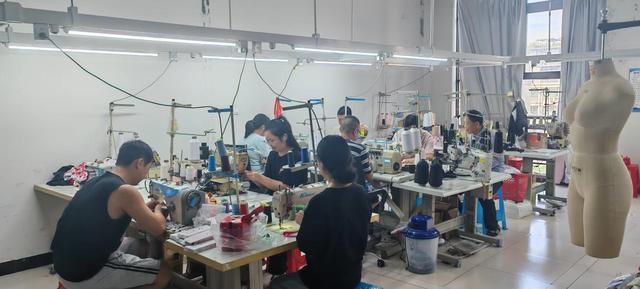
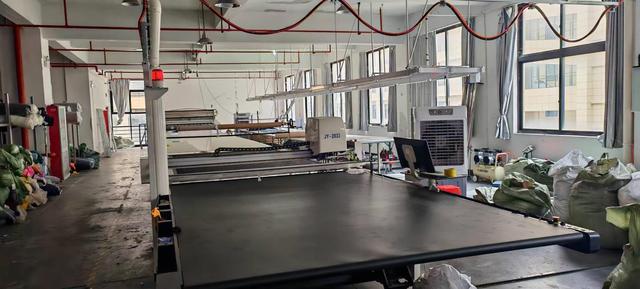
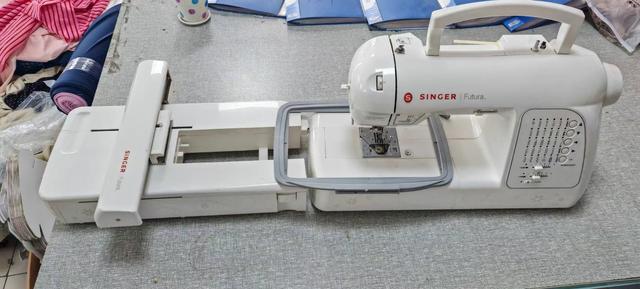
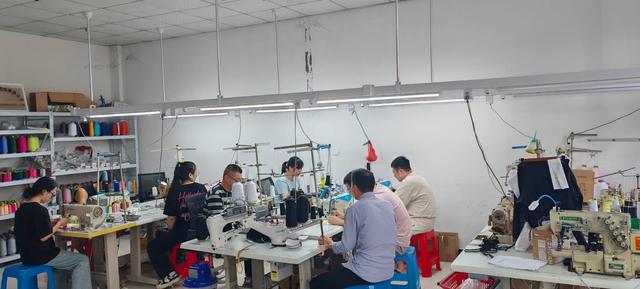
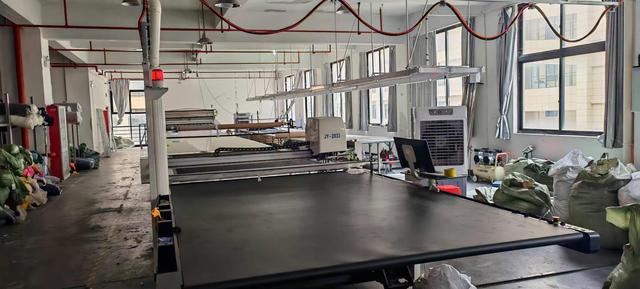
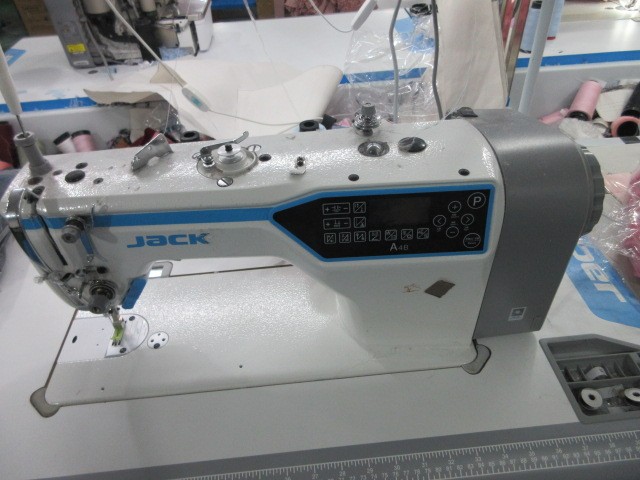
Guangzhou Dahab Fashion Co., Ltd. is a professional women's clothing manufacturer located in Guangzhou, Guangdong, China. Established in 2012, the company specializes in the design, development, and production of fashion apparel for international brands, wholesalers, retailers, boutique stores, and e-commerce businesses. With a modern manufacturing facility spanning over 16,000 square meters and a workforce of more than 260 skilled employees, Dahab Fashion provides comprehensive OEM and ODM garment solutions to customers worldwide.
The company offers a diverse range of women's clothing products, including casual wear, fashion dresses, blouses, tops, skirts, knitwear, outerwear, loungewear, business attire, and seasonal fashion collections. By combining market-driven design concepts with efficient production capabilities, Dahab Fashion helps customers create competitive apparel collections that meet changing consumer preferences across global markets.
Supported by an experienced design and product development team, the company continuously monitors international fashion trends, fabric innovations, and garment technologies. This enables Dahab Fashion to deliver stylish, functional, and commercially viable products while supporting customers with collection planning and product customization.
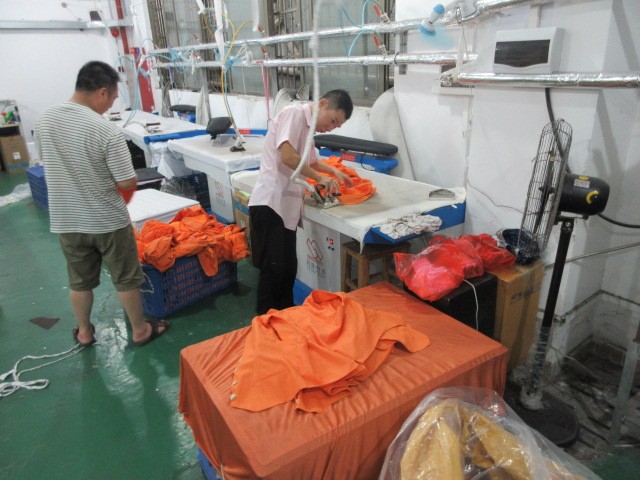
Outerwear design must align with local weather profiles and retail requirements. We customize our exports to fit these parameters.
Focuses on high loft winter parkas with 650-800 fill power down and water-resistant synthetic outer shells. Key elements include reinforced wind flaps, lined storm hoods, and robust zip systems designed to withstand low sub-zero temperatures.
Demands modern tailored cuts, clean aesthetics, and sustainable fabric declarations (e.g. recycled polyester). Focus is placed on windproof and breathable qualities for everyday damp winter commutes.
Requires lightweight transitional outerwear, wool blends, and tech shackets. Outerwear must be easily packable and support versatile layering options during quick, shifting weather shifts.
B2B buyers should evaluate the following core specifications to ensure performance in commercial winter outerwear lines.
| Parameter | Standard Metrics | Inspection Method |
|---|---|---|
| Waterproof Rating | 5,000mm to 10,000mm Hydrostatic Head | Hydrostatic pressure testing (ISO 811) |
| Breathability Index | 5,000g/m²/24hr to 10,000g/m²/24hr | Moisture vapor transmission test (ASTM E96) |
| Down Quality Assurance | 600+ Fill Power, RDS (Responsible Down) Certified | IDFL third party lab inspections |
| Fabric Tensile Strength | Warp: > 800N | Weft: > 600N | Grab tensile test (ASTM D5034) |
| Colorfastness to Light | Grade 4 minimum (after 40 hours exposure) | Xenon arc fading lamp (ISO 105-B02) |
Clear answers to crucial questions about manufacturing capabilities, lead times, customization, and logistics.
Our sample prototype lifecycle takes 10 to 15 business days following tech pack confirmation. Bulk manufacturing generally runs 30 to 45 days, depending on materials availability, design complexity, and seasonal volume demands.
Yes. We offer fully integrated OEM/ODM options. Clients can send us detailed tech files or pick styles from our catalog, which we can adapt with customized branding, custom fabric specifications, and custom dimensions.
Our standard MOQ is 100-300 pieces per style/colorway. This flexibility allows emerging fashion startups and boutique operators to launch new products without bearing excessive inventory risk.
Quality checks are embedded throughout our process. We carry out initial checks on incoming fabrics, inline inspections at assembly points, and thorough final checks following AQL 2.5 standards to ensure consistent craftsmanship.
Yes, we source fabrics that comply with OEKO-TEX Standard 100, GRS (Global Recycled Standard), and RDS (Responsible Down Standard) upon buyer request, ensuring compliance with import regulations in the US and EU.
Browse additional premium products in our comprehensive manufacturing catalog.
 Dahab Fashion