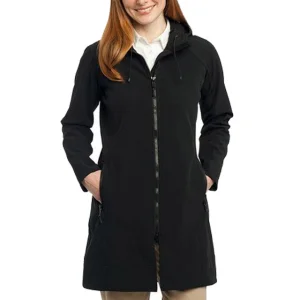
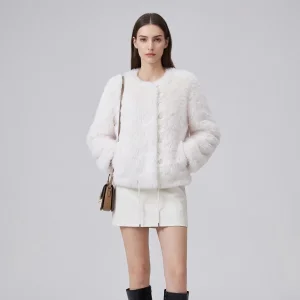
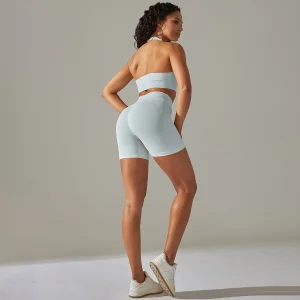
Explore our core high-precision tailored garments, engineered for structural resilience, contemporary silhouette aesthetics, and optimal comfort.
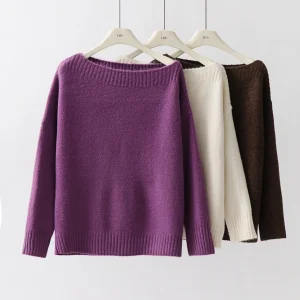
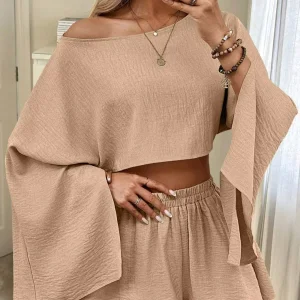
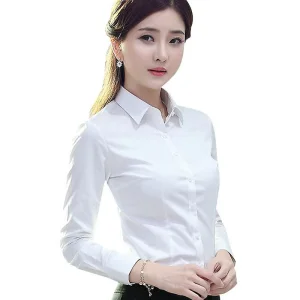
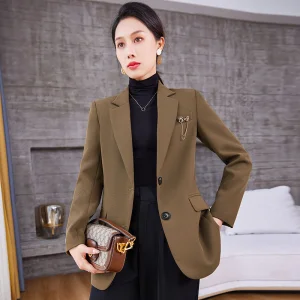
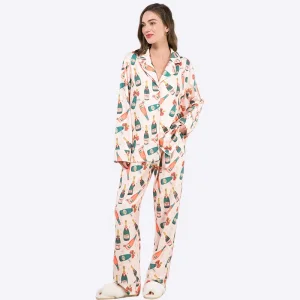
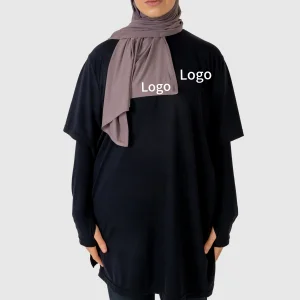
Mapping the transition of women's tailoring from corporate conformity to structural versatility and smart-casual utility.
The global demand for structured women's clothing has evolved past traditional workwear. Today, structured apparel integrates specialized interlinings, shoulder pads, and composite fabrics to project authority while maintaining flexible, all-day comfort. Brands are utilizing structural geometry to build garments that hold distinct silhouettes across casual and luxury environments alike.
Technological advancement in textiles is the primary commercial catalyst. High-recovery elastomers, blended canvas bases, and eco-friendly structures allow designers to create jackets, trousers, and skirts with sharp drape parameters. Supply chain consolidation in Asia, especially China, has enabled B2B buyers to scale structural clothing lines with reduced product development cycles.
Global commerce shows a strong uptick in demand for tailored coordinates, smart blazers, and architectural dresses across North America and Europe. Meanwhile, regions like the Middle East demand structured kaftans and abayas that fuse local aesthetics with high-end tailored finishes, illustrating the diverse and growing market segment.
The shift toward smart manufacturing, zero-distortion structural sewing, and sustainable eco-fabrics.
Digital design systems now simulate the weight, drape, and tension of structured fabrics before physical cuts are made. This process reduces sampling fabric waste by up to 80% and allows brands to review complex silhouettes remotely with millimeter-precision, optimizing global product launch times.
The industry is integrating recycled polyester, organic wool-blends, and bio-based faux furs. Innovation focuses on ensuring that these recycled alternatives maintain the exact same shape retention, structural recovery, and seam strength as traditional virgin fibers.
Gone are the stiff, brittle linings of the past. Modern structured clothing relies on fusible interlinings that offer multi-directional stretch, allowing structured jackets to move dynamically with the wearer without bubbling, creasing, or losing their profile over time.
Adapting structural garment silhouettes to meet distinct cultural, climate, and commercial requirements across international markets.
B2B buyers in North America emphasize versatility. Blazers and structured trousers must transition seamlessly from boardrooms to upscale casual settings. The focus is on wrinkle-resistant, machine-washable structured fabrics with high spandex recovery for commuting ease.
European markets demand minimal, architecturally-inspired lines with strict compliance certifications (OEKO-TEX, GRS). High-quality stitching, clean inner bindings, and natural fibers like linen, cotton, and organic wool are critical for boutique brand success.
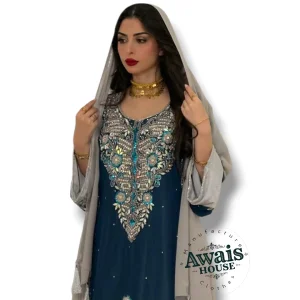
In the Middle East, structural design integrates with modest fashion. The demand is for long-line blazers, structured kaftans, and abayas made of premium, lightweight chiffon, crepe, and silk featuring luxury beadwork, embroidery, and internal structural stabilization.
How Guangzhou Dahab Fashion Co., Ltd. fuses advanced design theory with commercial manufacturing capabilities.
Our quality cycle begins at the molecular level. We perform shrinkage tests, colorfastness checks, and pilling resistance evaluation on all inbound fabric lots. Structured garments require fabric stability; therefore, only fabrics that pass our automated deformation tests are approved for cutting.
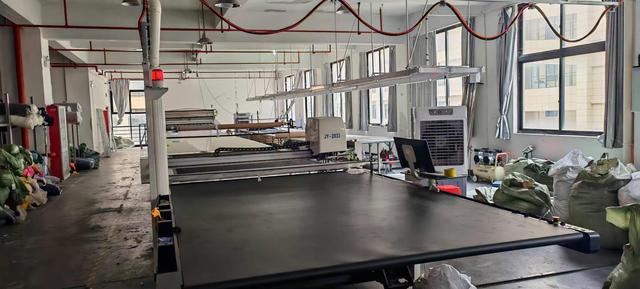
Using CAD-guided pattern engineering, we optimize fabric yields while ensuring that structural features—such as dart placements, lapel angles, and armhole curves—scale proportionally across all sizes, including plus-size custom runs.
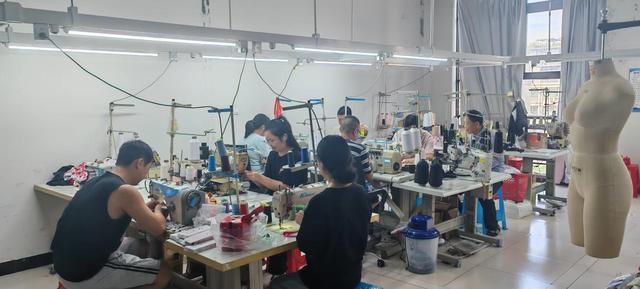
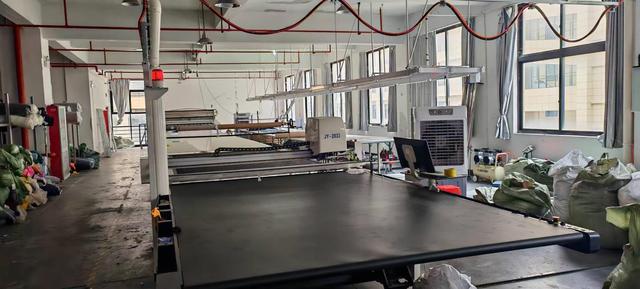
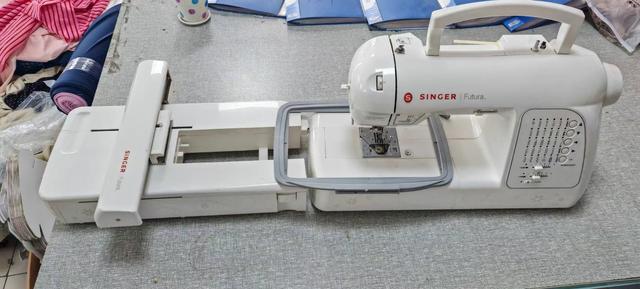
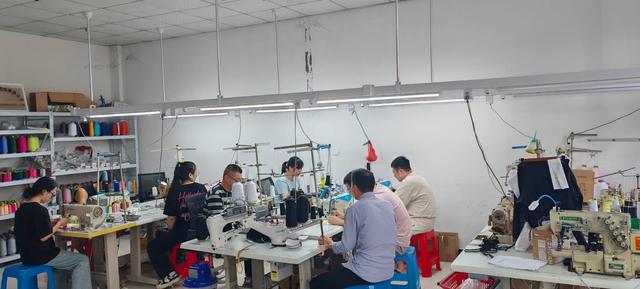
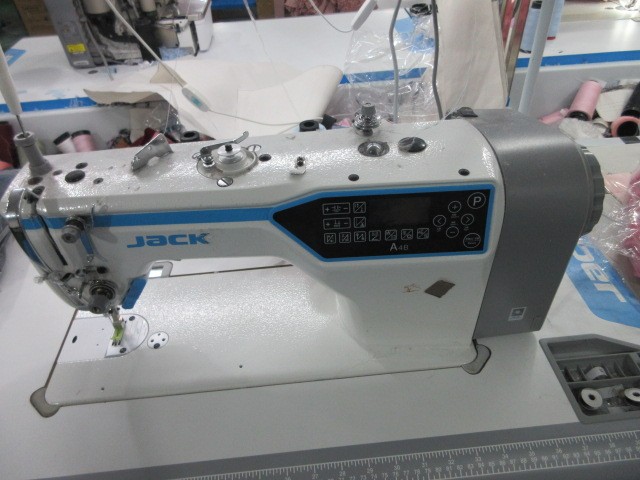
Our workshop floor is equipped with specialized stitch-guidance machinery. Pocket welts, double-breasted buttonholes, and inner canvas linings are assembled using semi-automated processes to ensure uniformity across production batches of thousands of units.
A professional women's clothing manufacturer providing premium OEM & ODM services from China's garment capital.
Guangzhou Dahab Fashion Co., Ltd. is a professional women's clothing manufacturer located in Guangzhou, Guangdong, China. Established in 2012, the company specializes in the design, development, and production of fashion apparel for international brands, wholesalers, retailers, boutique stores, and e-commerce businesses. With a modern manufacturing facility spanning over 16,000 square meters and a workforce of more than 260 skilled employees, Dahab Fashion provides comprehensive OEM and ODM garment solutions to customers worldwide.
The company offers a diverse range of women's clothing products, including casual wear, fashion dresses, blouses, tops, skirts, knitwear, outerwear, loungewear, business attire, and seasonal fashion collections. By combining market-driven design concepts with efficient production capabilities, Dahab Fashion helps customers create competitive apparel collections that meet changing consumer preferences across global markets.
Supported by an experienced design and product development team, the company continuously monitors international fashion trends, fabric innovations, and garment technologies. This enables Dahab Fashion to deliver stylish, functional, and commercially viable products while supporting customers with collection planning and product customization.
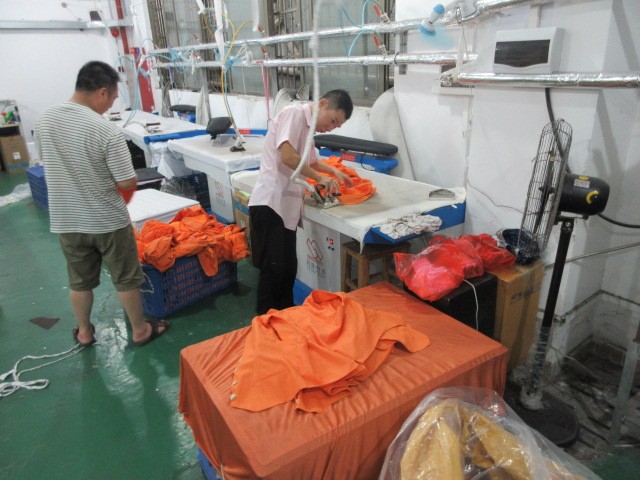
Quality management is integrated throughout the manufacturing process. From fabric sourcing and pattern development to cutting, sewing, finishing, and final inspection, every stage is carefully controlled to ensure consistency, durability, and customer satisfaction. The company also provides flexible private-label services, including logo application, custom packaging, fabric selection, and branding support.
With products exported to North America, Europe, the Middle East, Australia, and other international regions, Guangzhou Dahab Fashion Co., Ltd. has established long-term partnerships with clients seeking reliable apparel manufacturing solutions. The company remains committed to innovation, quality, and professional service as a trusted women's clothing manufacturer providing fashion apparel, casual wear, and OEM ODM garment solutions worldwide.
Overcoming B2B sourcing challenges, inventory risk management, and logistics complexities.
We solve the initial capital expenditure hurdle for emerging boutique labels. By operating flexible production lines, we support balanced minimum order quantities (MOQs) alongside large-scale contract manufacturing, ensuring you can test new structured collections with reduced financial risk.
Our solutions span fabric selection, custom-molded buttons, custom branded packaging, tags, and hangers. We act as your remote manufacturing department, translating sketch concepts into store-ready inventory.
Navigating global customs is complex. Dahab Fashion coordinates with leading air and sea freight logistics networks to guarantee streamlined clearance, proper HS Code classifications, and on-time door-to-door delivery globally.
Clear answers to critical manufacturing, customization, and logistics questions from professional retail buyers.
Our MOQs are flexible and depend on the design complexity and fabric requirements. Generally, we offer standard starting limits per design/colorway for OEM orders. Contact our sales department to discuss your custom sourcing needs and we will find a custom structural production plan that fits your brand's growth target.
Yes, absolutely. As an established ODM/OEM manufacturer, we accept complete tech packs, pattern files, and specialized trims. Our internal pattern engineering department will verify your files, create a digital prototype, and submit fit samples for your approval before bulk production.
Structured apparel requires specialized logistics protection. We utilize custom inner support molds, premium polybag protection, and high-density outer export cartons to prevent crushing. For premium tailored blazers and suits, we also offer flat-pack hanger shipping methods to preserve structural integrity upon arrival.
Typically, sample development takes 7–10 working days after structural pattern details are confirmed. Bulk manufacturing cycles range from 25 to 45 days, depending on fabric sourcing timelines, batch volume, and design complexity.
Yes. We work closely with certified fabric mills in China. Upon request, we source certified organic cotton, recycled polyester (GRS), and OEKO-TEX certified lining materials, complete with transaction certificates (TCs) for validation.
Our quality control involves three main phases: IQC (Incoming Quality Control) for fabrics/trims, IPQC (In-Process Quality Control) at crucial sewing steps, and FQC (Final Quality Control) for styling and measurements before packaging. We inspect 100% of finished garments to ensure zero defect rates.
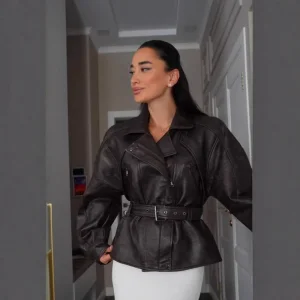
Discover more structural apparel solutions, including casual coordinates, protective outerwear, luxury abayas, and urban lifestyle designs.
 Dahab Fashion