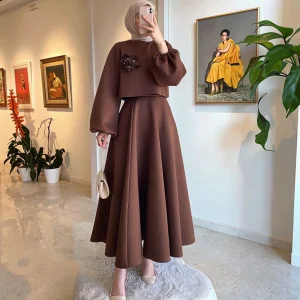
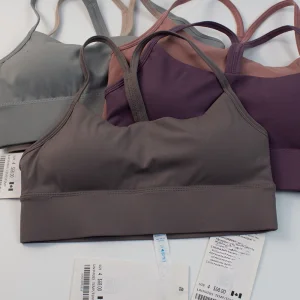
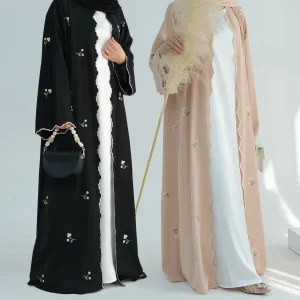
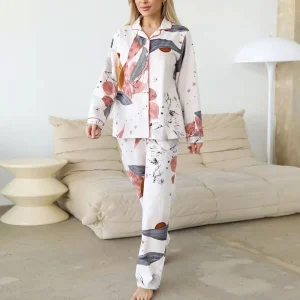
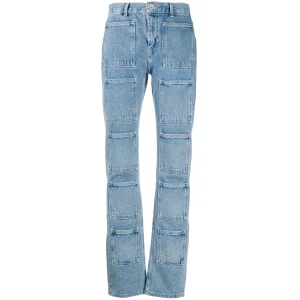
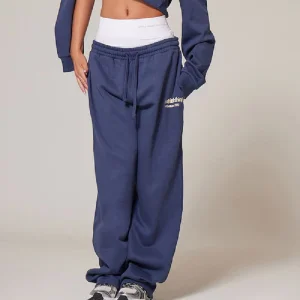
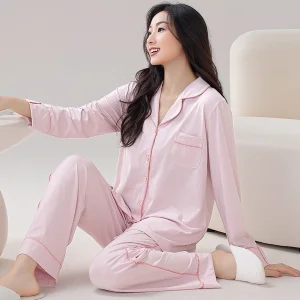
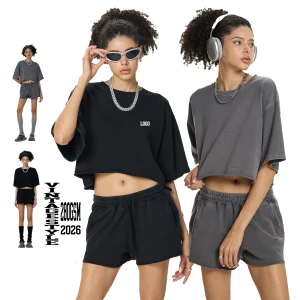
The international women's dressy attire market is going through a dynamic shift. Today, demand stretches far beyond conventional evening gowns to include multi-functional dresses, modern office wear, coordinated lifestyle sets, and luxury modest wear. According to global retail research, the high-end dressy attire sector is growing at a compound annual growth rate (CAGR) of 6.2%. This growth is fueled by changing corporate dress codes, the rise of e-commerce, and a growing consumer preference for premium, sustainable clothing.
Supply chain dynamics have also evolved. Contemporary buyers want high agility, low defect rates, and ethical compliance. China remains the center of global textile production, with regions like Guangzhou leading the industry. Guangzhou's textile manufacturing stands out because of its complete local supply network, advanced tech integration, and skilled workforce.
Within this landscape, Guangzhou Dahab Fashion Co., Ltd. (established in 2012) has grown into a key partner for international brands, wholesalers, and online businesses. Dahab Fashion operates a modern 16,000-square-meter facility with more than 260 workers, offering customizable, scalable, and quality-controlled OEM and ODM solutions.
The global women's fashion market is shaped by several key technological and consumer shifts. To stay competitive, brands and exporters must focus on sustainable practices, digital workflows, and flexible ordering models.
With rapid fashion cycles and social media-driven trends, inventory risk is a major challenge for retailers. Modern factories use agile management systems to support smaller minimum order quantities (MOQs). This allows brands to test the market and scale up production dynamically.
3D rendering and digital fitting tools are transforming the prototyping process. By using advanced styling software, manufacturers can create realistic garment samples in hours. This speeds up design confirmation, minimizes fabric waste, and reduces sample shipping costs.
Eco-conscious consumers are changing retail requirements. Today, apparel buyers look for sustainable, bio-based, and recycled fibers like Tencel, organic cotton, and recycled polyester, along with certified, non-toxic dye processes.
As a premier exporter, Guangzhou Dahab Fashion customizes its design, manufacturing, and compliance services to meet the specific requirements of regional markets worldwide.
| Target Market | Key Styles & Products | Consumer Demands | Dahab Fashion Solutions |
|---|---|---|---|
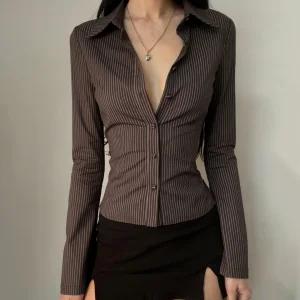
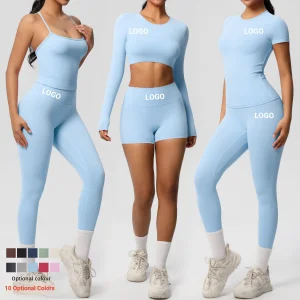
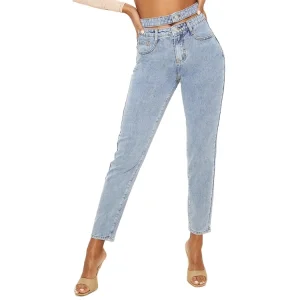
| North America | Smart casual attire, activewear sets, denim, loungewear. | Casual styling, fabric durability, and size-inclusivity. | Flexible pattern grading, customized denim pocketing, and premium French Terry fabrics. |
| Europe | Retro-office blouses, minimal knitwear, eco-dresses. | High environmental compliance, chemical safety, and classic style. | OEKO-TEX fabric sourcing, strict quality audits, and timeless retro styles. |
| Middle East | Traditional modest wear, luxury Abayas, layered dresses. | Intricate embellishments, modest silhouettes, and premium drape. | Fine embroidery, lightweight fabrics, and customized design collections. |
| Australia & Oceania | Vacation apparel, resort accessories, light linen sets. | Breathable materials, UV resistance, and relaxed silhouettes. | Premium linen and cotton blends, holiday-themed custom designs, and accessories. |
At Guangzhou Dahab Fashion, quality assurance is built into every stage of the manufacturing process. By combining skilled craftsmanship with advanced machinery, we maintain production accuracy and consistency at scale.
Before production begins, all fabrics undergo rigorous testing. They are checked for colorfastness, shrinkage, and pull strength. The fabric is run through specialized pre-shrinking machinery to prevent dimensional changes in the finished garments.
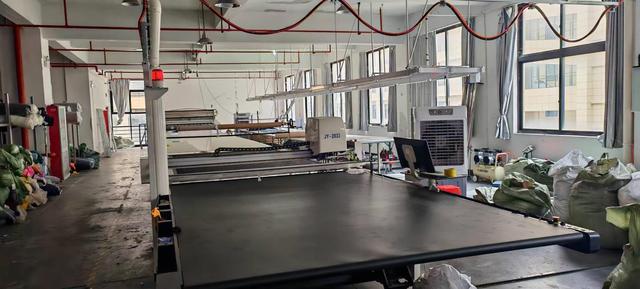
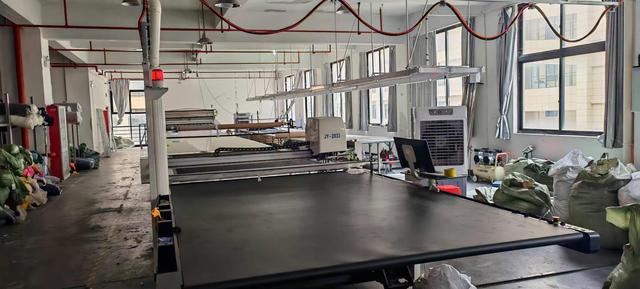
Our design team uses advanced CAD software to convert creative mockups into digital templates. With computer-guided laser cutting, we optimize fabric usage and maintain precise sizing across large production runs.
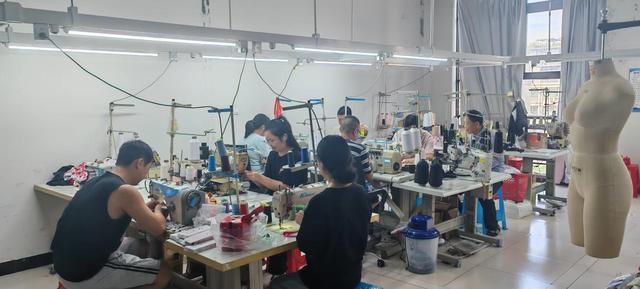
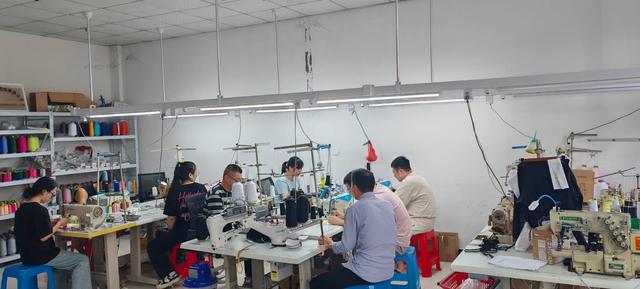
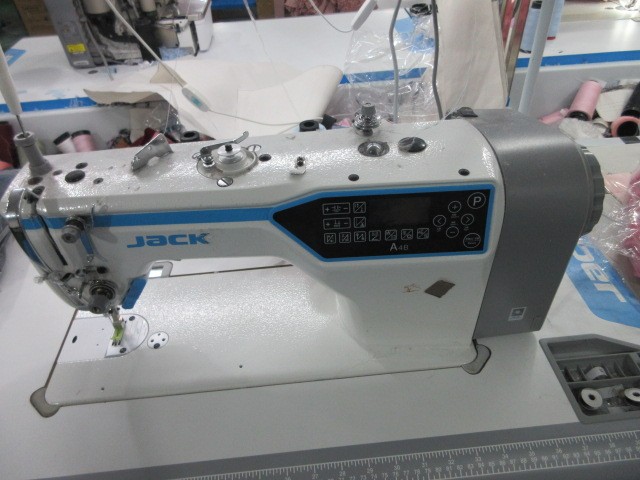
Experienced operators manage our assembly lines, where each worker focuses on specific details like collars, waistbands, or pocket placement. Inline Quality Control inspectors monitor every sewing station to catch and fix errors early.
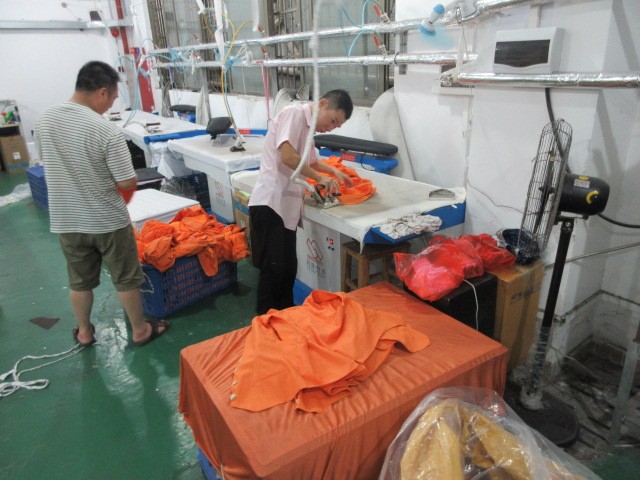
After assembly, the garments are pressed, fitted on models or mannequins for final styling checks, and hand-inspected for loose threads. Every batch is packaged with custom brand labels and undergoes a final randomly sampled quality audit before shipment.
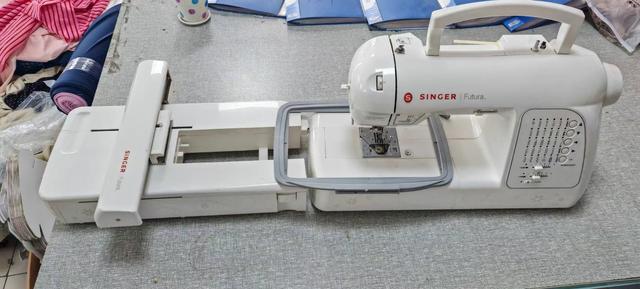
Our 16,000-square-meter facility in Guangzhou features modern cutting, sewing, and pressing equipment. View some of our actual production lines, design offices, and warehouse sections below.
International apparel sourcing comes with common challenges like raw material price shifts, logistics delays, and complex compliance standards. To support our clients, Guangzhou Dahab Fashion provides strategic, comprehensive supply chain solutions.
We partner directly with top yarn spinning and fabric weaving mills in China. These partnerships allow us to secure materials in advance, protecting our clients from sudden cost fluctuations and keeping pricing stable during peak seasons.
Located in Guangzhou, we enjoy easy access to major shipping ports like Nansha, Shenzhen, and Hong Kong, along with international air freight hubs. This close proximity helps us streamline customs clearance and coordinate shipping routes to minimize transport times.
We focus on ethical production practices, fair wages, and safe working conditions. Our manufacturing processes are structured to meet international import requirements and pass audits by leading third-party testing agencies.
Here are detailed answers to common questions about sourcing women's dressy attire, working with Chinese factories, and partner collaboration processes.
Our standard production lead time is 20 to 30 days after design approval and deposit payment. For complex styles or peak seasons, lead times may adjust to 35 to 45 days. Rapid prototyping and sampling are typically completed within 5 to 7 working days.
Yes, we offer flexible MOQ policies to help brands manage inventory. Depending on fabric availability and design complexity, our MOQs can start as low as 100 to 200 pieces per style.
Yes. We have specialized production lines for modest apparel, including loose-fitting designs, long lantern sleeves, and detailed embroidery. We manufacture high-end abayas, modest maxi dresses, and coordinated sets for brands globally.
We use digital CAD pattern design software programmed with standard size tables for North American, European, and Australian markets. We also work directly with your brand's specification sheets to ensure correct fitment.
We source fabrics from certified mills that carry OEKO-TEX Standard 100, GOTS (for organic cotton), and GRS (for recycled fibers). We can coordinate third-party testing (via SGS or Intertek) based on your regional import requirements.
We offer full branding support, including customized woven labels, heat-transfer neck prints, custom hangtags, branded polybags, and personalized packaging options to deliver retail-ready products.
Yes. Located in Guangzhou's textile hub, we can source a wide range of materials, including silks, knits, denims, jacquards, and performance fabrics, to match your design requirements.
We follow standard AQL 2.5/4.0 inspection systems. Our QA process includes initial fabric screening, inline stitching checks during assembly, and a complete final inspection before packaging.
We offer FOB, CIF, DDP, and EXW shipping terms. We coordinate with your freight forwarder or manage shipping through our logistics partners using sea, air, or rail freight.
We translate your tech packs, sketches, or reference garments into digital patterns. We then source matching fabrics and produce a physical prototype for fitment approval. The sample fee is typically credited back upon placing a bulk order.
 Dahab Fashion