In the contemporary global fashion landscape, the shift toward highly saturated, expressive, and bold colors represents more than a passing trend. Guided by the psychological movement often referred to as "Dopamine Dressing," modern global consumers seek self-expression through electric blues, rich fuchsias, deep sunset oranges, and energetic neon palettes. This demand has fundamentally transformed the structural operations of raw material mills, dye houses, and garment factories.
For international sourcing directors, brand managers, and fast-growing fashion startups, securing a reliable supply chain partner capable of handling the complexities of bold colorways is critical. Vivid dyes require high levels of colorfastness, sophisticated chemical formulations, and advanced finishing treatments to ensure that garments resist bleeding, fading under UV light, and structural deterioration. China's top textile clusters—specifically concentrated in the Guangdong province—have pioneered this space by integrating smart digital laboratory testing with high-speed manufacturing lines.
According to comprehensive international consumer surveys, womenswear in high-saturation segments has grown by an estimated 18.4% year-over-year. Traditional production hubs frequently struggle with this shift due to the technical precision needed to maintain consistency across different fabric compositions. This is where advanced manufacturing platforms like Guangzhou Dahab Fashion Co., Ltd. gain their competitive edge, blending technological adaptability with decades of hands-on expertise.
The manufacturing of bold colored womenswear involves complex challenges. From initial fiber preparation to the final heat setting, every step is calculated to prevent problems like color migration, metamerism, and uneven dye absorption. China’s advanced garment production centers rely on a unified industrial infrastructure that combines fabric weaving, dyeing, custom processing, and assembly within minimal physical radiuses.
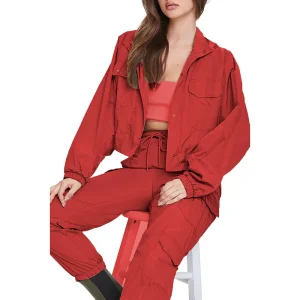
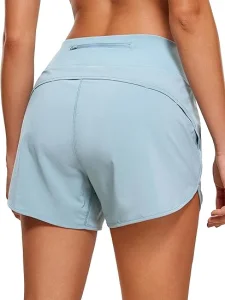
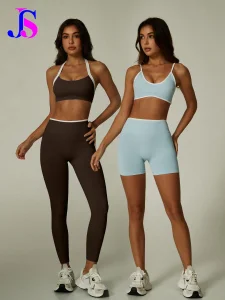
For instance, managing vibrant shades in sportswear, such as our Quick Dry Tracksuits or High Waist Yoga Sets, demands strict quality control. Standard dyes can wash out quickly when exposed to sweat or friction. Top-tier manufacturers mitigate this by implementing a structured washing-fastness phase, validating that products maintain their brilliance throughout their lifecycle.
Established in 2012, Guangzhou Dahab Fashion Co., Ltd. has grown to become a prominent manufacturer in the vibrant women's apparel sector. Located in Guangzhou, the heart of China’s garment manufacturing corridor, the company operates a modern facility covering over 16,000 square meters. Backed by 260 skilled employees, they provide complete OEM and ODM apparel solutions to global partners across North America, Europe, the Middle East, Australia, and beyond.
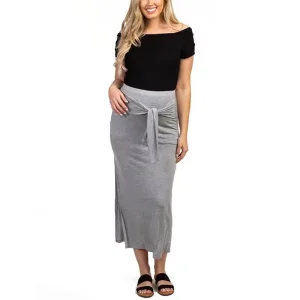
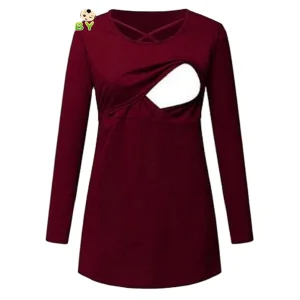
Dahab Fashion manages the entire production lifecycle, including custom fabric development, pattern drafting, grading, sewing, and final quality control. Their product catalog ranges from daily sportswear to specialized fashion pieces, maternity collections, and modest streetwear styles, supporting brands, online retailers, and global distributors.
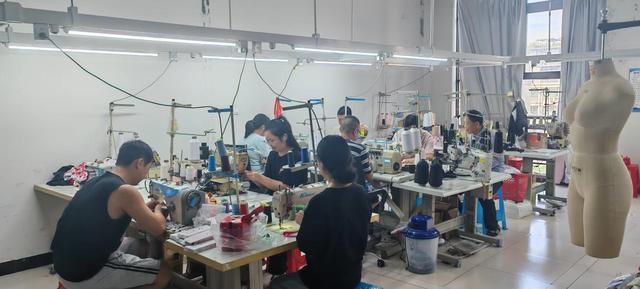
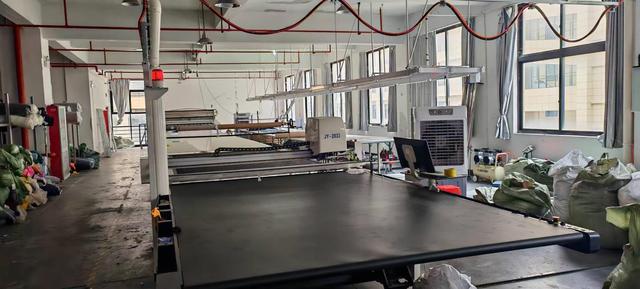
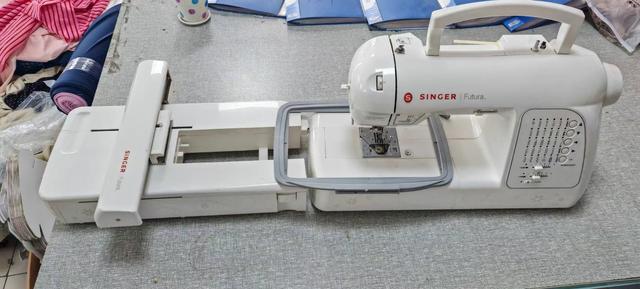
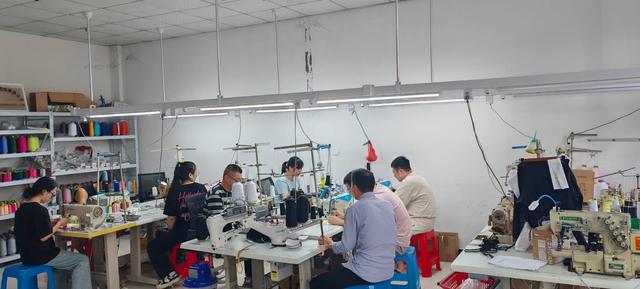
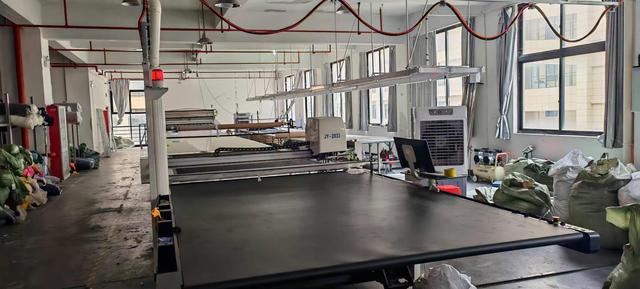
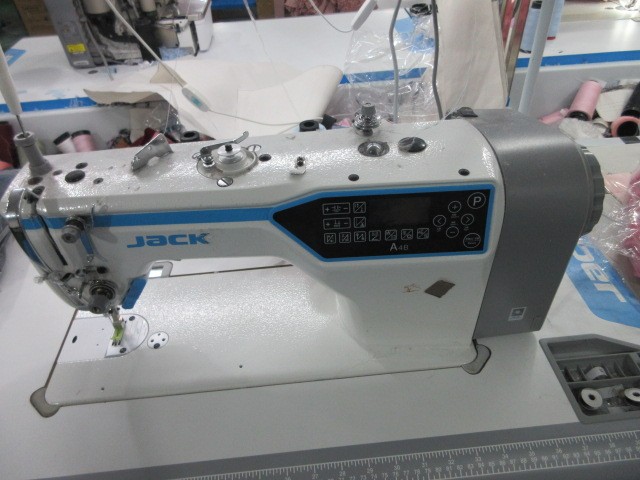
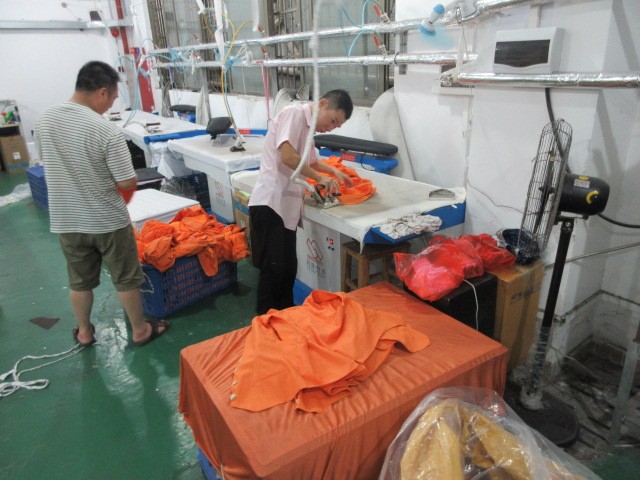
Quality checks are integrated at every stage, from testing incoming yarns to auditing the final stitching. Their design team closely tracks global fashion trends, helping brands translate concepts into retail-ready apparel. Offering private-label customizations—including custom tags, customized packaging, and unique blend fabrics—they cater to both small brands requiring low MOQs and large-scale bulk orders.
Modern supply chains must be highly versatile, tailoring designs to meet the distinct preferences of diverse regional markets:
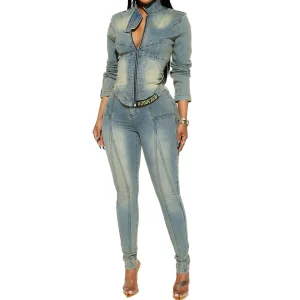
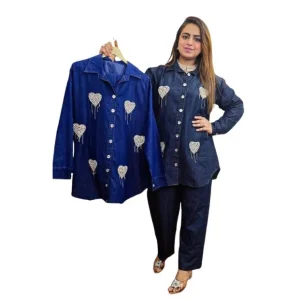
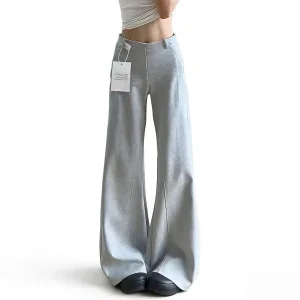
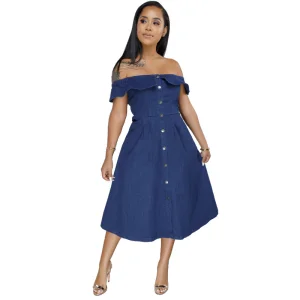
Consumers in these regions place a premium on comfort, utility, and modern streetwear styling. Items like Two-Piece Denim Sets and high-stretch loungewear are staple choices. Brands catering to these markets focus on soft fabrics, clean structures, and inclusive sizing options to serve a diverse buyer base.
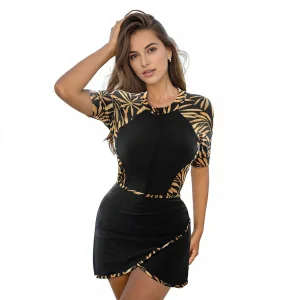
Markets in these areas, including Malaysia and neighboring regions, show strong demand for contemporary, modest designs. Sourcing managers look for lightweight, opaque fabrics that provide coverage while remaining comfortable in warm climates. Offerings like coordinating denim sets and custom Burqinis / modest swimwear offer practical solutions for these consumer bases.
The fitness and wellness sector requires high-performance textiles. High-waist yoga pants and matching crop tops need to offer durability, moisture management, and reliable shape retention. By using specialized nylon-spandex and polyester blends, manufacturers ensure activewear maintains its fit and color through frequent use.
Successful garment sourcing relies on establishing clear protocols around quality, compliance, and production timelines. When partnering with contract manufacturers, buyers should evaluate key operational benchmarks:
Before beginning bulk production, ensure all materials meet regional safety standards (such as REACH in Europe or CPSIA in North America). Key metrics to verify include dimensional stability, pill resistance, and colorfastness when exposed to rubbing and laundering.
A structured sampling process minimizes production errors. Sourcing starts with digital tech packs, followed by fit samples, and finally, pre-production (PP) samples to confirm exact detailing before manufacturing begins.
Standard timelines generally range from 15 to 25 days for sample development, and 30 to 45 days for bulk production. Working with vertically integrated partners can streamline these periods, helping brands bring collections to market faster.
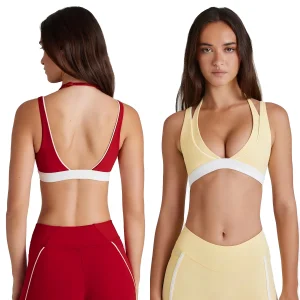
 Dahab Fashion