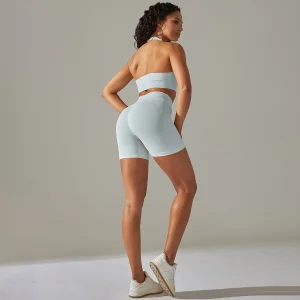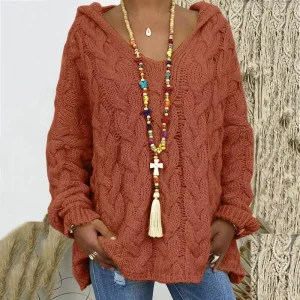
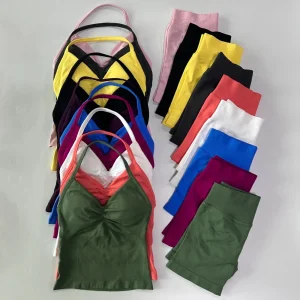
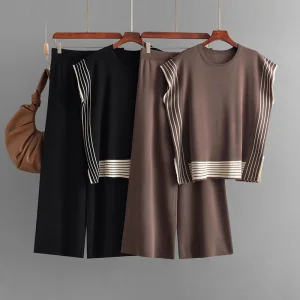
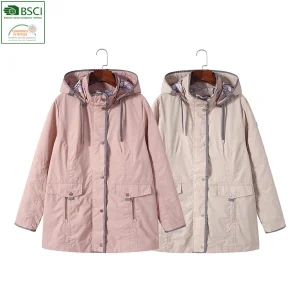


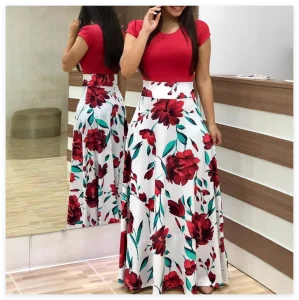
The global women's denim apparel market has transitioned far beyond standard utility wear. Today, it demands a complex integration of fit ergonomics, material sciences, and eco-sustainable compliance. China has firmly consolidated its position as the premier international hub for women's denim fabrication. This dominance is not merely a consequence of volume capabilities but stems from a hyper-integrated textile ecosystem. By placing advanced chemical washing fields, heavy weaving facilities, and custom trim producers in unified regional hubs, manufacturers in regions like Guangdong are uniquely positioned to offer high-quality outputs.
Within this dynamic landscape, Guangzhou Dahab Fashion Co., Ltd. (established in 2012) has pioneered high-value manufacturing methodologies. Nestled in Guangzhou's global apparel manufacturing belt, Dahab Fashion utilizes a massive 16,000 square meter state-of-the-art facility to output fashion apparel for international brands, wholesalers, and e-commerce leaders alike. As consumer desires pivot toward specialized fits (such as butt-lifting high-waisted silhouettes, vintage distressed jeans, and soft-washed tencel shirts), Dahab Fashion coordinates design, chemical wash treatments, and precision tailors to minimize lead times and maximize shelf performance.
Understanding the semantic search intent of global sourcing directors reveals that brands require more than basic assembly. They require factories that actively practice Information Gain through detailed pattern-making, stress-testing warp/weft tension, and monitoring the shrinkage rate of heavyweight denim fabrics (varying from 8oz to 14oz). By mastering these material transformations, Dahab Fashion helps prevent the classic fit variations that plague lesser manufacturers after initial customer wash cycles.
The production of high-end women's denim garments involves an intricate balance between rigid structural integrity and body-contouring elasticity. To satisfy the performance demands of modern consumers, Dahab Fashion leverages its experienced design and product development team to source and iterate on unique fabric blend ratios. Whether processing raw, ring-spun cotton or experimenting with moisture-wicking and eco-friendly Tencel and Repreve recycled polyester, the technical team performs rigorous elongation and recovery tests before approving a textile batch.
Utilizing automated computer-aided design (CAD) systems allows for millimeter-precise grading across all standard sizes, minimizing fabric waste while ensuring consistent curve-hugging contours for diverse waist-to-hip ratios.
We deploy state-of-the-art ozone fading, laser distressing, and biological enzyme stone washing. This modern approach reduces water consumption by up to 60% and guarantees zero harsh chemical residues on finished denim garments.
Every production run undergoes multi-stage inspections, including raw fabric inspection, in-line stitching audits, wash-shrinkage analysis, button pull tests, and a final 100% finished product check before container loading.
One of the major challenges in women's denim manufacturing is managing wash-induced shrinkage. Raw denim can shrink as much as 10% after washing. Dahab Fashion’s R&D department addresses this by carrying out precise pre-shrunk trials. They customize pattern sizing based on the specific washing formula selected by the client (such as light acid wash, vintage tinting, bleach down, or heavy enzyme scraping). This proactive testing ensures that once the garment reaches the consumer, the dimensions remain stable, bolstering the brand's reliability.
Procurement executives and supply chain managers in Western Europe and North America operate under strict regulatory and consumer pressures. The modern customer demands traceably sustainable fibers and ethical manufacturing practices. Consequently, factories must demonstrate conformity to international standards like the Global Recycled Standard (GRS), OEKO-TEX Standard 100, and BSCI. Dahab Fashion coordinates with certified yarn spinning mills and chemical suppliers to ensure that the entire manufacturing line satisfies rigorous export protocols.
To illustrate, the sourcing needs of global brands span three primary segments:
Dahab Fashion addresses these divergent needs through a dual production management pipeline. High-capacity automated assembly lines process volume orders with cost-efficiency, while a dedicated sample workshop and small-batch production line handle complex design requirements. This dual-path system ensures that every client, regardless of scale, receives optimal cost-per-piece metrics and professional support.
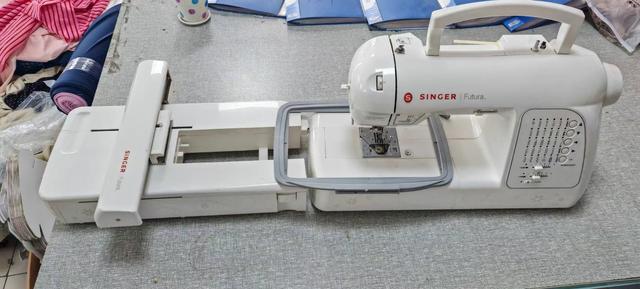
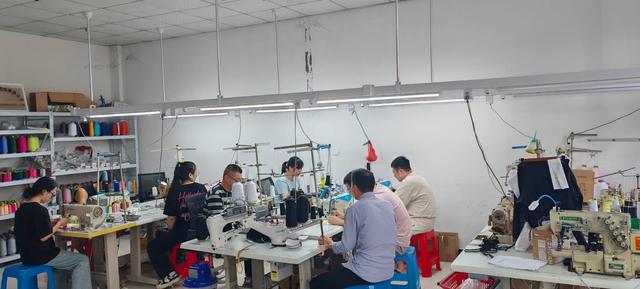
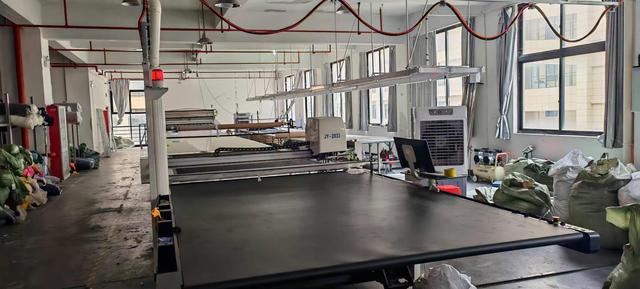
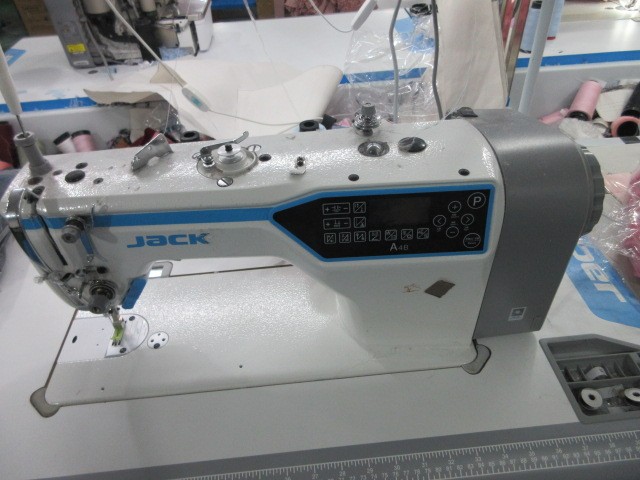
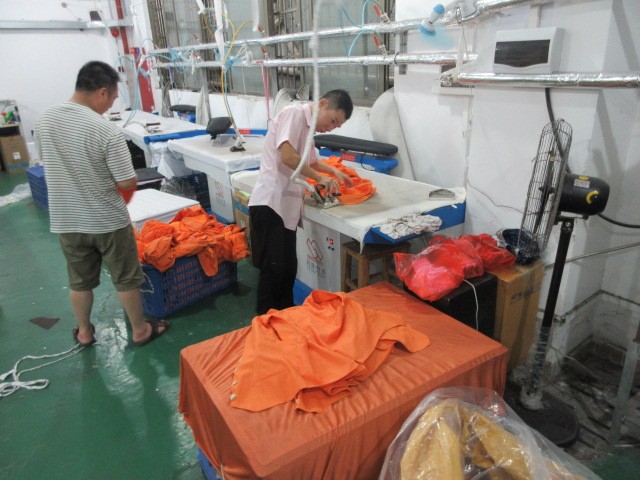
Guangzhou Dahab Fashion welcomes physical and virtual site audits. Below are verified depictions of our fabrication units, sorting stations, and corporate showrooms. These facilities underscore our commitment to workplace safety, clean manufacturing conditions, and standardized production processes.
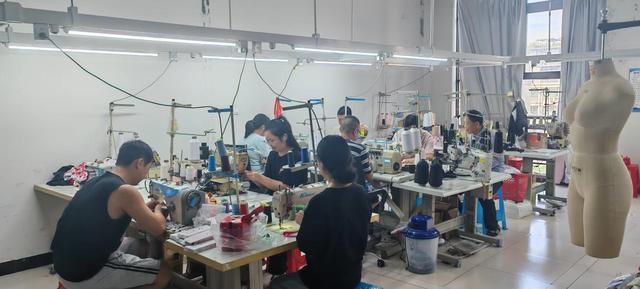
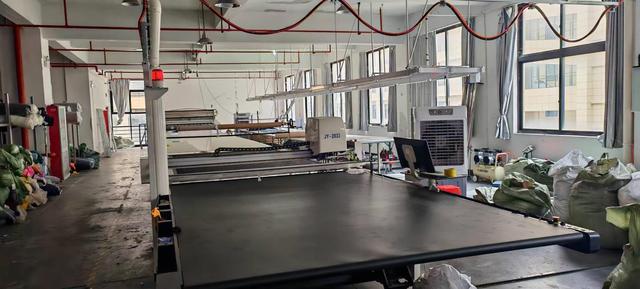
Sourcing the correct denim requires deep market intelligence. Consumer fit preferences and stylistic expectations vary significantly across target markets:
Dahab Fashion integrates these regional profiles directly into its pattern database. By consulting with our product development experts, buyers can choose patterns engineered to excel in their specific target regions, minimizing post-shipment fit returns.


 Dahab Fashion