Building a practical wardrobe begins with understanding your real routine, not copying a perfect outfit grid. This guide explains how to build a women's capsule wardrobe around reliable pieces, personal comfort, and repeated wear. A capsule wardrobe should support office mornings, weekend errands, travel days, and unexpected plans. It is not a strict fashion rulebook. It is a flexible system.
The top 10 types include a tailored blazer, crisp shirt, versatile T-shirt, fine-knit sweater, straight-leg trousers, comfortable jeans, simple dress, lightweight jacket, practical flats, and clean sneakers. Each category serves a clear purpose. A navy blazer can sharpen denim, while a white shirt can work beneath knitwear. Neutral colors create easier combinations, but one accent shade can prevent the collection from feeling dull. Fabric quality matters. Check seams, buttons, stretch, and washing instructions before buying.
Start with pieces you already reach for. Keep it practical. My first capsule attempt included too many “special” items and not enough comfortable basics. That mistake taught me to measure value by wear, not appearance alone. Some wardrobes need more workwear, while others need breathable layers or polished casual pieces. Review your climate, laundry habits, budget, and weekly schedule before choosing quantities. A thoughtful capsule can reduce decision fatigue without erasing personality. It may still need adjustment after a month. That is normal. The strongest wardrobe develops through observation, honest editing, and clothes that perform well in real life.
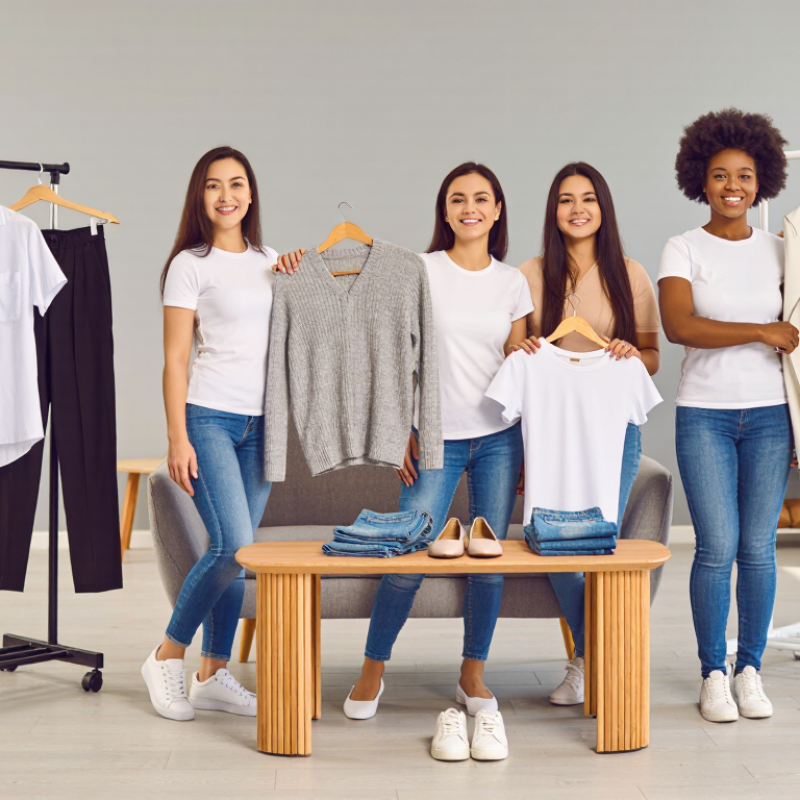
A practical women’s capsule wardrobe can begin with a 33-item limit for three months. Count clothing, shoes, and accessories that visibly shape an outfit. Exclude underwear, sleepwear, workout essentials, and sentimental pieces stored away. Keep the rules clear.
Choose pieces for your real weekly routine, not an imaginary lifestyle. A fitted shirt, soft knit, tailored trousers, straight-leg jeans, a simple dress, and a weather-ready jacket can anchor many outfits. Add versatile shoes, such as comfortable flats, clean sneakers, and ankle boots. Neutral colors simplify dressing, while one or two accent shades prevent the wardrobe from feeling dull. I have found that texture often creates more variety than extra color.
Pack the remaining items in a sealed box for three months. Wear only the selected 33 pieces during that period. Record what you reach for repeatedly, what stays untouched, and what fails during rain, commuting, or long workdays. Keep notes short. Two minutes is enough.
The framework is useful, but it is not a test of personal discipline. Some wardrobes need more layers, specialized clothing, or frequent replacements. I once underestimated how quickly one knit could lose its shape. That mistake taught me to inspect fabric recovery, seams, and care requirements before counting an item. At the end of three months, adjust thoughtfully. A smaller wardrobe is not automatically a better one.
| No. | Wardrobe Type | Suggested Quantity | Useful Item Examples | Primary Function | Three-Month Planning Tip |
|---|---|---|---|---|---|
| 1 | Everyday Tops | 5 | Plain T-shirts, sleeveless tops, long-sleeve base layers, or lightweight casual shirts | Provides the main rotation for work-from-home, errands, and casual outfits | Choose washable fabrics and colors that coordinate with at least three bottoms |
| 2 | Polished Shirts and Blouses | 3 | Button-front shirt, relaxed blouse, refined knit top, or versatile collared shirt | Adds structure for offices, meetings, dinners, and smart-casual occasions | Select at least one lighter and one darker option for different outfit combinations |
| 3 | Knitwear and Warm Layers | 3 | Light sweater, cardigan, fine-gauge pullover, or warm vest | Provides insulation and creates layered outfits without adding bulk | Use different weights so the capsule works across changing temperatures |
| 4 | Trousers and Jeans | 3 | Tailored trousers, straight-leg jeans, wide-leg trousers, or relaxed utility pants | Forms the foundation for everyday, professional, and travel outfits | Prioritize comfortable fits and at least one polished pair suitable for formal settings |
| 5 | Skirts and Shorts | 2 | A-line skirt, midi skirt, tailored shorts, or weather-appropriate casual shorts | Adds silhouette variety and offers an alternative to trousers | Choose shapes that work with both flat shoes and slightly dressier footwear |
| 6 | Dresses and Jumpsuits | 3 | Day dress, adaptable midi dress, shirt dress, or simple jumpsuit | Creates a complete outfit with minimal styling and supports one-piece dressing | Include at least one style that can be worn casually or elevated with accessories |
| 7 | Outerwear | 3 | Light jacket, tailored blazer, trench-style coat, rain layer, or insulated coat | Protects against weather and changes the visual character of an outfit | Match the number and weight of layers to the actual climate during the three-month period |
| 8 | Shoes | 4 | Everyday sneakers, walking shoes, ankle boots, flats, loafers, or low heels | Covers comfort, commuting, professional dressing, and social occasions | Build around daily walking needs and select neutral colors that work with most garments |
| 9 | Bags | 2 | Daily shoulder or crossbody bag and a structured tote or compact evening bag | Supports practical carrying needs while providing an optional dressier finish | Use one hands-free option for travel or commuting and one option for professional use |
| 10 | Jewelry and Small Accessories | 5 | Watch, earrings, necklace, belt, scarf, hat, or other frequently worn finishing pieces | Changes the appearance of repeated outfits without requiring additional clothing | Choose a small set that reflects personal style and coordinates with the capsule palette |
| Total Visible Capsule Items | 33 | This sample follows a 33-item, three-month capsule structure. Under the Project 333 approach, underwear, sleepwear, in-home lounge clothing, and items reserved for sentimental reasons are generally kept outside the 33-item count. | |||
Choose 33 visible outfit items for three months. Include clothing, shoes, and accessories. Keep the rules simple.
Exclude underwear, sleepwear, workout essentials, and sentimental pieces stored away. These items serve different purposes.
Choose clothes for your real week. Consider commuting, work, errands, weather, and social plans.
Try a fitted shirt, soft knit, tailored trousers, straight-leg jeans, simple dress, and weather-ready jacket. Add comfortable flats, sneakers, and ankle boots.
Use neutral colors as a base. Add one or two accent shades. Texture can create variety too.
Pack them in a sealed box for three months. Wear only the selected items during that period.
Track repeated choices, untouched pieces, and clothing failures. Check performance during rain, commuting, and long workdays.
Aim for repeated wear rather than novelty. Track items for four weeks. Watch what reaches the laundry basket.
Inspect fabric recovery, seams, washing needs, and ironing demands. I once chose trousers that looked practical but needed constant ironing.
No. A useful capsule fits your climate, routine, and personal style. More layers may be necessary. Flexibility matters.
Learning how to build a women's capsule wardrobe starts with defining a clear limit: choose around 33 versatile items for a three-month season, including clothing, outer layers, and shoes. Begin by auditing your closet and keeping only pieces that fit well, suit your lifestyle, and can be worn repeatedly. Extending the life of existing garments by several additional months can help reduce their overall environmental impact.
Next, select ten core types across tops, layers, bottoms, dresses, and footwear. Each type should coordinate easily with the others, creating a balanced wardrobe for work, casual activities, and special occasions. Before buying anything new, test whether these ten categories can produce at least 30 distinct outfits. Focus on color harmony, practical fabrics, and flexible silhouettes. Most importantly, prioritize rewearing and repairing what you already own, since frequent use and longer garment lifespans can significantly lower fashion-related emissions.

 Dahab Fashion