Why Is Fabric Selection Important in Womens Apparel 7 Tips?

Time:2026-11-07 Author:Oliver
0%

A dress can look polished on a hanger and feel uncomfortable after an hour of wear. Why is fabric selection important in women's apparel? Because the textile shapes comfort, fit, movement, appearance, care, and durability. The right choice helps a garment work in real life, not just in a product photo. Touch matters. A cotton poplin shirt may hold a crisp collar, while a soft jersey top can move easily with the body. Yet neither fabric suits every design or wearer.

Fabric also affects opacity, breathability, stretch, and how a garment drapes. A lightweight viscose may flow beautifully under store lights, then cling in humid weather. A wool blend can offer warmth, but may need careful washing. Fashion designer Vivienne Westwood’s advice, “Buy less, choose well, make it last,” reflects a useful principle for apparel teams: thoughtful material choices can support longer wear. Her words are not a technical fabric rule, though. Designers and buyers still need to test materials against the garment’s purpose, target customer, and care requirements.

Check the label. Then examine the fabric in motion, under light, and after washing when possible. Small tests can reveal surprises. Even careful sampling has limits; one swatch cannot predict every wearer’s comfort or every production result. That part deserves honest attention. The seven tips ahead offer a practical starting point for weighing feel, function, construction, and longevity before choosing fabric for women’s apparel.
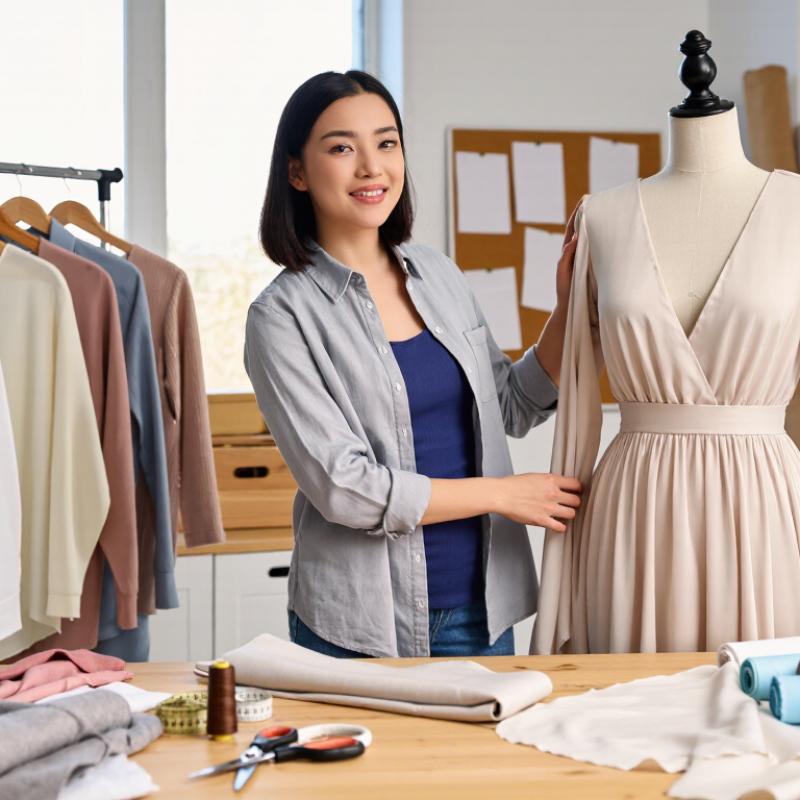
Why Is Fabric Selection Important in Womens Apparel 7 Tips?

The Role of Fabric in Women's Apparel Design

Fabric shapes how a garment looks, feels, and moves. In women’s apparel design, it affects drape, fit, comfort, and durability. A soft rayon may fall smoothly over the body, while crisp cotton can hold a sharper silhouette. Stretch fabrics can support movement, but their recovery matters; knees or elbows may bag if the material loses shape. Small swatches help designers judge weight, opacity, and texture before cutting a full pattern. A fabric can look perfect on a table and behave differently when worn.

Tips: Check fabric weight against the garment’s shape. Test stretch and recovery. Hold light fabrics up to a window. Feel the surface against skin. Wash a sample before production. Match lining to the outer fabric. Inspect seams for puckering. These checks are simple, but easy to skip.

Fabric choices also affect construction. Slippery satin may shift under a sewing machine, while loosely woven cloth can fray at the edges. Designers should consider care needs, climate, and how often the garment will be worn. A breathable weave may feel better on a warm day, yet wrinkle more during travel. There is no perfect fabric for every design. Even careful testing has limits, so the finished garment should be evaluated in motion, not only on a dress form.

How Fabric Properties Shape Comfort, Fit, and Durability

Fabric choice shapes how women’s apparel feels from the first wear. A lightweight cotton poplin can feel crisp against the skin, while a soft jersey knit follows the body more closely. Breathable fibers help release heat, but a very open weave may feel less supportive. Small differences matter. A dress worn on a warm afternoon needs different airflow from a lined jacket used in cool weather.

Fit depends on both stretch and recovery. A knit with good recovery can move with the wearer and return to shape; a fabric that stays stretched may sag at the knees or elbows. Woven fabrics often hold a defined silhouette, though limited give can restrict movement across the shoulders or hips. During fittings, sit, reach, and walk in the garment. A mirror cannot reveal every pinch or pull.

Durability involves more than thickness. Fiber strength, surface texture, seam construction, and care all affect how a garment ages. Repeated washing can shrink some fabrics, while friction may cause pilling where a bag rubs against a sleeve. Testing a fabric swatch after washing and gentle rubbing can reveal issues before production. There is rarely one perfect choice: a softer hand may mean less structure, and a sturdy fabric may feel warmer than expected.

Why Fabric Selection Matters in Women's Apparel

Typical moisture regain of common apparel fibers

Moisture regain is the amount of moisture a dry fiber absorbs from the surrounding air, expressed as a percentage of its dry weight. These typical values help illustrate one factor that can influence comfort: cotton, linen, and wool generally absorb more moisture than polyester. Fabric construction, garment fit, and finishing also affect comfort, fit, and durability.

Key Factors to Consider When Choosing Apparel Fabrics

A fabric should suit the garment’s job, not just look appealing on a swatch. For a fitted blouse, check stretch and recovery; for a flowing skirt, assess drape and opacity under bright light. Comfort matters. Rub a sample against the skin, then sit and move in it. A soft surface can still feel hot or clingy after several hours.

Check weight, durability, care needs, and shrinkage before choosing. A lightweight fabric may work beautifully for a summer top but turn transparent near a window. Ask suppliers for abrasion, colorfastness, and dimensional-stability test results, especially for garments worn and washed often. Test it first. Wash a small sample as the care label would require, then compare its dimensions and texture. I sometimes focus too much on the first touch; that is an easy mistake.

Sourcing also deserves attention. Textile Exchange’s Materials Market Report 2024 estimates that global fiber production reached 124 million tonnes in 2023, with polyester making up 57% of the total. These figures describe fiber volume, not the impact of every garment, so they should not replace product-specific evidence. Ask what a fabric contains and whether its claims are independently verified. Consider recycled content, expected garment life, and available care options together. Small detail, big difference. A lower-impact fiber is not automatically the best choice if the garment wears out quickly or needs difficult care.

Seven Practical Tips for Selecting Fabric for Women's Clothing

Fabric choice affects how a garment feels, moves, and holds its shape. Match the material to its purpose: a work blouse may need a smooth, breathable weave, while a flowing skirt needs enough weight to hang well. Check the drape by lifting a corner of the fabric and letting it fall. Does it fold softly or stick out? Hold it against a window, too; pale fabric can look opaque indoors and become sheer in daylight.

Consider fiber content and local weather. Cotton and linen often feel airy, while some synthetics dry quickly but may trap heat. Stretch matters for fitted pieces, but stretch alone is not enough. Pull a small section and release it. Fabric that stays bagged may lose its shape at the knees or elbows. A quick test helps.

Care can make or break a design. Wash a small swatch as the finished garment would be washed, then check for shrinkage, twisting, or color change. I would not skip this, even when the fabric looks stable. View a sample under both warm indoor light and daylight, since colors can shift. Finally, calculate usable width and pattern repeats before buying yardage; prints may require extra fabric for matching. It is easy to underestimate that.

Matching Fabrics to Garment Purpose, Season, and Care Needs

Fabric choice should follow what a garment must do. A work blouse needs enough structure to stay smooth through a commute; a summer dress needs airflow against warm skin.

Textile Exchange’s Materials Market Report 2024 estimates that global fiber production reached 124 million tonnes in 2023, with polyester accounting for 57%. That scale makes thoughtful selection important, but fiber content alone cannot predict comfort or durability. Check the fabric’s weight, weave, stretch, and opacity in the actual garment.

Tip: Match the fabric to the day. Choose breathable cotton or linen for heat, and denser weaves for chillier weather. For fitted garments, test stretch and recovery by gently pulling a seam area. Hold pale fabric up to light; a lining may be needed. Small checks, big difference.

Care needs matter just as much as season. A delicate fabric that requires frequent special care may be a poor match for everyday wear. Check the label and consider whether the garment can handle your usual washing routine.

WRAP’s Valuing Our Clothes report estimates that extending clothing’s active life by nine months can reduce its carbon, water, and waste footprints by 20–30%. That is a useful reminder, though real results depend on how a garment is worn and cared for.

I still find care labels easy to overlook. Don’t skip them.

FAQS

How does fabric affect a garment’s appearance and movement?

Soft rayon can drape smoothly, while crisp cotton holds a sharper shape. Stretch fabrics allow movement, but weak recovery may leave baggy knees or elbows.

What should I check before cutting a full pattern?

Test a small swatch for weight, texture, stretch, and opacity. Hold pale fabric near a window. It may look different when worn.

How can I tell if fabric suits a fitted blouse?

Gently stretch a sample and see whether it returns to shape. Rub it against your skin, then sit and move. Comfort matters.

Which fabrics work well in warm weather?

Breathable cotton or linen can feel cooler against warm skin. A light fabric may also become transparent in bright sunlight. Check it first.

What fabric details matter for a flowing skirt?

Check drape and opacity under strong light. A lining may help if sunlight shows through the fabric.

Why should I wash a fabric sample before sewing?

Washing can reveal shrinkage, texture changes, or color loss. Compare the sample’s measurements before and after. I sometimes forget this step.

How do fabric choices affect sewing and care?

Slippery satin can shift beneath a sewing machine, while loosely woven cloth may fray. Check care instructions before choosing everyday fabric.

Does a lower-impact fiber always make the best garment?

Not necessarily. Consider recycled content alongside durability, garment life, and care needs. A fabric that wears out quickly may not be a better choice.

Conclusion

Fabric is one of the most important decisions in women’s apparel design because it influences how a garment looks, feels, fits, and performs over time. Understanding why is fabric selection important in women's apparel starts with its effect on comfort and durability: breathable, soft materials may suit everyday wear, while fabrics with more structure can help a garment keep its shape. Weight, stretch, texture, drape, and resistance to wear all affect how clothing moves with the body and how well it holds up to regular use.

To choose wisely, consider the garment’s purpose, the season, the wearer’s comfort, the desired fit, and the care the fabric requires. Check how the material feels against the skin, whether it provides suitable warmth and airflow, and how it may change after washing. Match lightweight fabrics to warm-weather designs and warmer, more substantial materials to cooler conditions. Also consider opacity, flexibility, shape retention, and ease of maintenance. These practical checks help ensure that the finished clothing is attractive, comfortable, functional, and suited to the way it will be worn.

Oliver

Oliver

Oliver is a seasoned marketing professional with a wealth of expertise in driving brand awareness and engagement. With a deep understanding of our company's product offerings, he consistently delivers high-quality content that enriches our professional blog. His insights not only shed light on......