Sustainable women's clothing is increasingly popular. Fashion expert Dr. Emily Carter highlights this trend, stating, "Consumers are drawn to eco-friendly choices." This shift reflects significant changes in consumer attitudes toward sustainability.
More women recognize the impact of their clothing choices. They seek brands that prioritize ethical practices. As a result, sustainable fashion is not just a trend; it is becoming a movement. Brands are responding with collections that are stylish yet environmentally conscious.
Furthermore, the rise of social media has amplified awareness. Influencers advocate for sustainable fashion, reaching a broader audience. However, some still question the balance between style and sustainability. This ongoing dialogue shapes the future of fashion. Understanding why sustainable women's clothing is becoming popular opens doors for innovation in the industry.
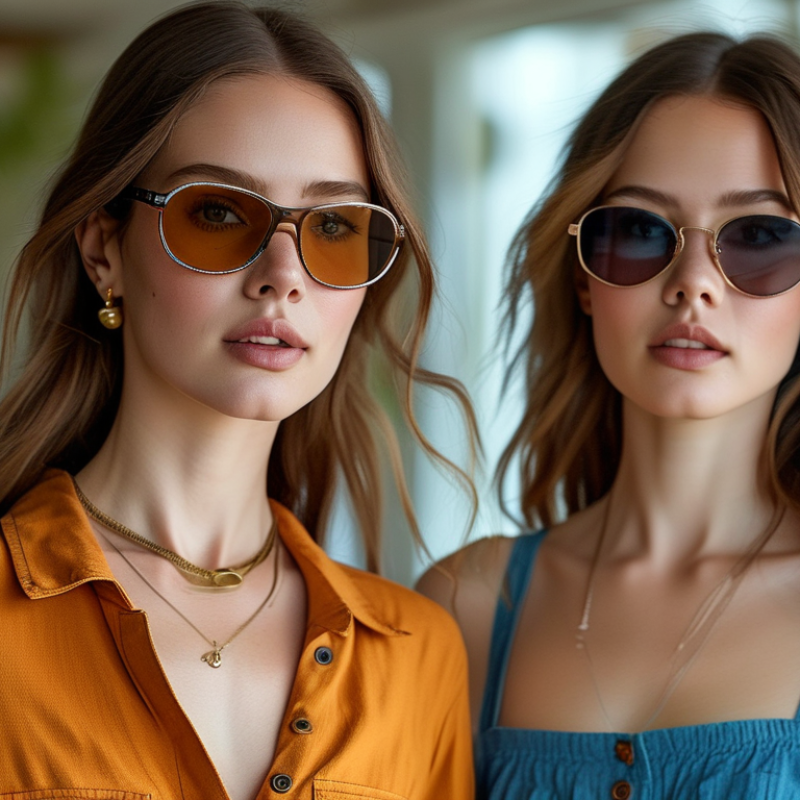
Sustainable fashion is experiencing a notable rise, especially in women's clothing. This shift stems from a growing awareness of environmental issues. Women are increasingly concerned about the impact of fast fashion on our planet. They seek options that prioritize ethical practices. This response is both necessary and refreshing.
Many women now consider the materials used in their garments. Organic cotton, bamboo, and recycled fibers are becoming popular choices. These materials have a lower environmental footprint compared to traditional fabrics. However, the availability of truly sustainable options can be limited, raising questions about accessibility. This reflects a gap in the market that needs attention.
Additionally, there is a desire for transparency within the fashion supply chain. Consumers want to know where their clothes come from and how they're made. Yet, understanding this information can often be complex. It reveals a need for brands to improve their communication. This focus on sustainability is not just a trend; it reflects a shift in values and priorities among women today.
Sustainable women's clothing is trending for several reasons. Consumers are increasingly aware of environmental issues. They want to make responsible choices that reflect their values. This shift is more than just a fad; it shows a genuine desire for change. Many people now think about where their clothes come from and how they are made. There is a growing demand for transparency in the fashion industry.
Social media plays a significant role in this movement. Influencers and bloggers share their sustainable choices with their followers. This visibility inspires others to adopt similar practices. Yet, it also brings challenges. Not every choice is easy or affordable for everyone. Some may feel overwhelmed by the information available. They might struggle to find options that fit their budget or style.
Additionally, sustainable clothing can have misconceptions. Many assume it means compromising on fashion or quality. However, designers are rising to this challenge. They create stylish pieces while prioritizing eco-friendly materials. As a result, women are finding clothes that align with their ethics and their sense of style. This evolving landscape reflects a broader commitment to sustainability, even amid pressures and gaps in options.
Sustainable women's clothing is capturing attention as consumer awareness grows. Today, shoppers are more informed about the environmental impact of fashion. They understand how fast fashion contributes to waste and pollution. This shift in mindset encourages more women to consider eco-friendly options.
When choosing clothes, think about the materials. Look for organic fabrics or recycled materials. These options reduce environmental harm. Many consumers feel better buying garments that support ethical practices. However, remember that not all sustainable labels are transparent. Research brands thoroughly. Make sure they align with your values.
Tip: Check labels for certifications that ensure sustainability. Look for eco-friendly symbols. They can guide you toward responsible choices. Moreover, consider second-hand shopping. Thrift stores often offer unique styles without the eco-cost.
However, it’s essential to recognize the challenges of making sustainable choices. Sometimes, eco-friendly options may cost more. This can create a barrier for those who may want to shop sustainably. Balancing financial constraints with ethical considerations can be difficult but remains crucial. Finding ways to incorporate sustainable clothing into your wardrobe is a journey. Keep exploring and evaluating your impact.
The rise of sustainable women's clothing reflects a growing awareness around ethical practices. Ethical brands play a crucial role in this shift. They prioritize transparency in production processes. By sharing their stories, these brands foster trust. Consumers crave more than just products; they seek values.
These brands often use sustainable materials, like organic cotton and recycled fabrics. This commitment not only reduces environmental impact but also promotes a cleaner industry. Yet, some brands may struggle with supply chain issues. They might not always fully disclose their practices. This inconsistency can erode consumer trust, highlighting the need for transparency.
Moreover, while many brands advocate for sustainability, not all are effective. The challenge lies in truly understanding what "sustainable" means. Many offer vague descriptions, which can mislead consumers. Continuous dialogue is essential. Only when brands reflect on their practices can they genuinely embrace sustainability. This mindset shift is vital for lasting change in the fashion industry.
Sustainable women’s clothing is evolving rapidly. Awareness of environmental issues is rising. As consumers seek
eco-friendly options, brands are responding. The future of sustainable fashion
looks vibrant.
New materials are emerging. Innovations like organic cotton and recycled fabrics
are gaining traction. Brands focus on longevity, not just style. The goal is to create timeless pieces that endure
beyond trends. This shift encourages a deeper connection to clothing. Women are investing in quality over
quantity.
Tips for embracing sustainable fashion: Choose versatile pieces that fit well
in your wardrobe. Look for brands that prioritize transparency. Examining sourcing and production practices can lead
to better choices.
Adopting a mindful approach to shopping is essential. Reflecting on your clothing journey fosters awareness. Avoid
impulse buys and consider the garment's lifecycle. Sustainable choices are
not just trendy; they are necessary for our planet.
: Sustainable fashion focuses on environmentally friendly practices and ethical materials in clothing production.
Many women are now aware of the negative impact of fast fashion on the environment.
Common materials include organic cotton, bamboo, and recycled fibers. They have a lower environmental footprint.
The availability of truly sustainable options can be limited, creating accessibility concerns for consumers.
Consumers want to know where their clothes come from and how they are made for informed purchasing.
Look for certifications and eco-friendly symbols on labels. Research brands to align with your values.
Yes, eco-friendly options can sometimes cost more, which may create barriers for some consumers.
Thrift shopping is a great way to find unique styles while minimizing environmental impact.
It's a gradual journey. Explore options, consider material choices, and evaluate your impact over time.
Challenges include limited options, higher costs, and the complexity of understanding brand transparency.
The growing trend of sustainable women's clothing reflects a significant shift towards environmentally conscious fashion choices. As consumers become more aware of the environmental and ethical implications of their clothing, they increasingly prioritize sustainability in their purchases. This heightened awareness drives demand for eco-friendly materials and production methods, leading to a rise in popularity for brands that advocate for sustainable practices.
Key factors contributing to why sustainable women's clothing is becoming popular include the influence of educated consumers who seek transparency and ethical standards in fashion. Ethical brands play a vital role in this movement, making sustainability a core aspect of their identity and promoting responsible consumption. Looking ahead, future trends suggest a continued emphasis on innovation in sustainable materials, further shaping the landscape of women's fashion and ensuring its relevance in a rapidly changing world.
