How to Find the Right Fit in Women's Clothing for Global Buyers?

Time:2026-06-16 Author:Charlotte
0%

Finding the right fit in women's clothing is crucial for global buyers. According to a report by McKinsey & Company, 75% of women say they have difficulty finding clothes that fit well. This inconvenience often leads to frustration and increased returns. Renowned fashion expert Dr. Sarah Johnson emphasizes, "Understanding body shapes and diverse sizing is key to navigating women's fashion."

In today's global marketplace, it is vital for buyers to comprehend various sizing standards. What fits well in one region may not in another. Women often encounter inconsistencies across brands. This inconsistency complicates the shopping experience, and buyers must approach it with expertise.

Moreover, cultural differences can influence perceptions of fit and style. It is not just about size; it's about the overall aesthetic appeal. Buyers should consider individual body types and preferences. A one-size-fits-all strategy rarely works. When seeking quality clothing, focus on how to find the right fit in women's clothing by paying attention to these nuances. Embracing these complexities can lead to more satisfied customers and reduce unnecessary returns.
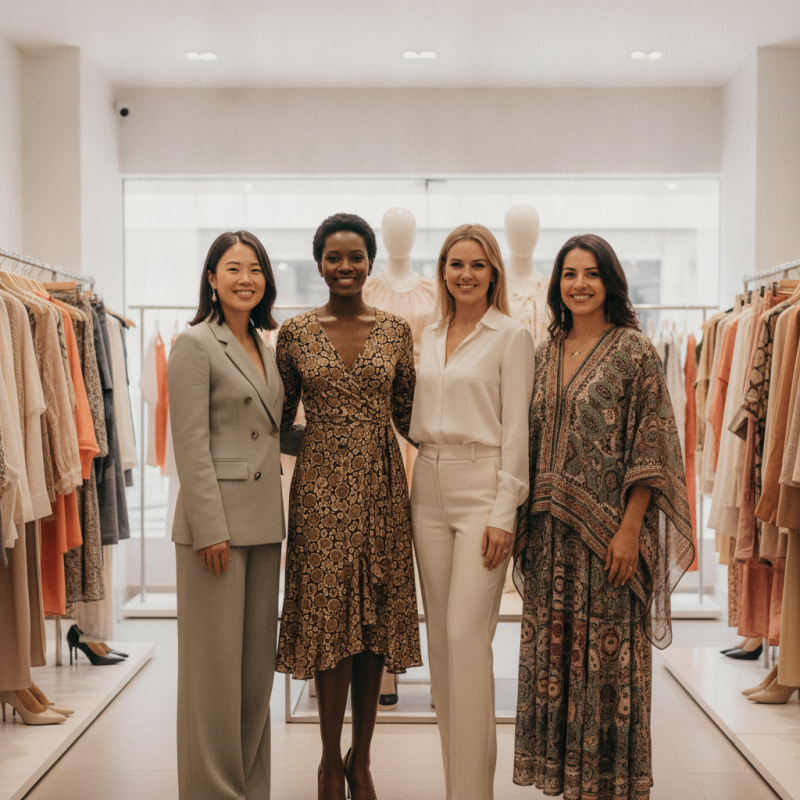
How to Find the Right Fit in Women's Clothing for Global Buyers?

Understanding Sizing Standards Across Different Countries

When looking for women's clothing, sizing can be a challenge for global buyers. Each country has its own standards and sizing charts. For example, a size 8 in the United States can correspond to a size 12 in the UK. This inconsistency can create confusion and frustration.

A recent study showed that around 70% of women report issues with fit across different regions. This reflects the need for better understanding of global sizing. Research from the Fashion Institute indicates that reliance on size labels can lead to an estimated 30% return rate in online shopping. Buyers often feel uncertain about what to purchase.

Understanding these disparities is crucial for making informed choices. Many brands are moving towards a more inclusive sizing system. This aims to standardize measurements and enhance customer satisfaction. However, the industry still faces challenges. Not every company adheres to the same standards, leading to potential misalignment in garment fitting. Customers should be encouraged to check size guides and perhaps even reach out for guidance when in doubt. Recognizing these complexities can help in navigating the global apparel landscape more effectively.

How to Find the Right Fit in Women's Clothing for Global Buyers? - Understanding Sizing Standards Across Different Countries

Country Size (US) Size (UK) Size (EU) Bust (inches) Waist (inches) Hip (inches)
United States 6 10 38 36 29 38
United Kingdom 8 12 40 34 27 39
Germany 36 40 38 32 25 36
France 38 42 40 34 27 38
Japan 9 13 36 34 27 37

Evaluating Fabric and Fit for Various Body Types

Finding the right fit in women's clothing is essential for global buyers. Fabric and fit nuances can vary widely. This is crucial for different body types. Firstly, understanding fabric content is a vital element. For instance, cotton is breathable and soft. On the other hand, polyester often stretches well. These qualities affect how a garment drapes on the body.


When evaluating fit, body shapes come into play. An hourglass figure may require tailored fits that accentuate curves. In contrast, a straight body type may need looser cuts for comfort. Sizing standards can vary across regions. Buyers often face confusion with measurement systems. Trying on clothes when possible can help, but virtual fitting rooms are growing in popularity.


Finding the right combination of fabric and fit requires experience. It’s not always straightforward. There may be instances where a perfect size is discovered, yet the fabric doesn't align. Reflection on personal preferences is key. What feels good may not always look right on others. Buyers should consider flexibility in their choices.

Utilizing Size Conversion Charts Effectively

When shopping for women's clothing globally, size conversion charts are invaluable. These charts help bridge the gap between different sizing standards. They provide a clearer understanding of how sizes differ across countries. However, many buyers overlook their importance, leading to ill-fitting purchases.

Tips: Always refer to the size chart before buying. Take your measurements accurately. Sizes can vary significantly. For example, a medium in one region may be a small in another. Don’t hesitate to check multiple charts for better accuracy.

It's easy to feel frustrated when an online purchase arrives and doesn’t fit. This happens because each brand or country has unique sizing. Remember, relying solely on your usual size may not be wise. Patterns and styles may also influence fit. Some fabrics may stretch while others may not.

Tips: If you're in doubt, consider reaching out for help. Many online shops have customer service ready to assist. Don't be shy to ask about fit, especially if you are new to the brand. Reading customer reviews can also provide useful insights regarding sizing.

Examining the Role of Brand Sizing Variations

Brand sizing variations significantly impact women's clothing choices globally. A recent report by the Global Fashion Agenda highlighted that up to 70% of women wear sizes that do not match the brands they shop from. This inconsistency can lead to frustration and discourage online purchases, as buyers are unsure of fit.

Sizes differ across regions and cultures. For instance, a size medium in one country might be a large in another. The size of the average woman also changes by region. According to a study from The NPD Group, a notable 68% of women reported that they often need to try items on before purchasing. This indicates a pronounced need for transparent sizing.

Manufacturers and retailers are slowly acknowledging these issues. Efforts to standardize sizing, like the use of fit models and size charts, are gaining traction. However, many brands remain behind. A survey by Retail Dive found that only 30% of brands currently provide accurate size measurements online. This gap represents a significant area for improvement in the industry. The challenge lies in balancing global standards with local fit preferences while ensuring a reliable shopping experience.

Tips for Communicating Preferences to Suppliers and Retailers

When sourcing women's clothing globally, effective communication is key. Buyers must articulate their preferences clearly to suppliers and retailers. According to a recent industry report, 70% of failures in apparel sourcing stem from miscommunication. Thus, understanding how to express specific sizing, styles, and fabric choices is crucial.

Tips for Communicating Preferences:

Be specific about sizes. Use size charts, conversions, and measurements. This can eliminate discrepancies. A UK size 8 differs from a US size 4. Provide examples of desired styles, which aids suppliers in understanding your vision. Share visuals or even sample pieces that reflect your aesthetic.

It’s vital to offer real-time feedback, as rapid iterations can improve outcomes. Many suppliers appreciate honesty about what is not working. Transparency can foster stronger relationships and lead to better results. Remember, even missteps can serve as learning opportunities. Buyers should reflect on their experiences and adapt their approaches accordingly. Data shows that buyers who adjust their communication strategies see up to a 50% increase in satisfaction.

Finding the Right Fit in Women's Clothing

FAQS

: Why are size conversion charts important when shopping for women's clothing?

: Size conversion charts help understand how sizes differ across countries. They prevent ill-fitting purchases.

How can I ensure I choose the correct size?

Always refer to the size chart. Measure yourself accurately before buying. Sizes can vary significantly.

What should I do if my online purchase doesn’t fit?

It’s frustrating, but sizes differ by brand and country. Relying on your usual size may not work.

How do patterns or styles affect fit?

Different styles and fabrics can influence how clothing fits. Some fabrics stretch, while others do not.

What should I do if I'm unsure about the fit?

Don’t hesitate to contact customer service for assistance. Asking about fit can save you from mistakes.

How can I communicate my preferences to suppliers effectively?

Be specific about sizes and styles. Use size charts and share visuals to express your vision clearly.

Why is communication key in sourcing clothing?

Miscommunication can lead to sourcing failures. Clear articulation of preferences can prevent discrepancies.

How can feedback improve outcomes with suppliers?

Providing honest, real-time feedback helps create better relationships. It allows for faster adjustments and improvements.

How can I reflect and learn from sizing issues?

Think about past experiences. Reflecting on mistakes can lead to better choices in future purchases.

What is the benefit of adjusting communication strategies with suppliers?

Adjusting communication can lead to a significant increase in satisfaction. Improved clarity fosters better results.

Conclusion

Finding the right fit in women's clothing can be a challenge for global buyers due to varying sizing standards and body types. Understanding these standards is crucial, as they differ significantly across countries. By evaluating fabric choices and considering how different fits suit various body shapes, buyers can make more informed decisions. Additionally, utilizing size conversion charts effectively helps streamline the shopping experience, mitigating confusion caused by regional sizing differences.

Moreover, it's important to recognize brand-specific sizing variations, as these can impact overall fit. To ensure satisfaction with purchases, buyers should communicate their preferences clearly to suppliers and retailers. By following these guidelines, global buyers can navigate the complexities of women's clothing sizing and confidently find the right fit, enhancing their shopping experience.

Charlotte

Charlotte

Charlotte is a seasoned marketing professional with a deep understanding of the company's portfolio and a passion for elevating its presence in the market. With a keen eye for detail and a commitment to excellence, she ensures that our professional blog is regularly updated with insightful articles......