In the dynamic world of fashion, the quest for quality remains a significant concern for consumers. Particularly in China, what factors affect women's clothing quality? Understanding these elements is crucial for both customers and manufacturers. Women increasingly seek not just style but also durability and comfort in their garments.
The fabric choice plays a vital role. Different materials can significantly influence clothing longevity and feel. Additionally, craftsmanship and manufacturing processes are critical. High-quality tailoring often reflects in the clothing's overall appearance and performance. Yet, many brands prioritize profit over quality, leading to regrettable choices for buyers.
Moreover, environmental considerations impact garment quality. Sustainable practices are becoming more common, but still, issues arise. Brand transparency can sometimes be lacking, making it challenging for consumers to know what they are purchasing. This situation prompts deeper reflection on the true value of women's clothing in today's market. Quality is multifaceted and deserves our attention.
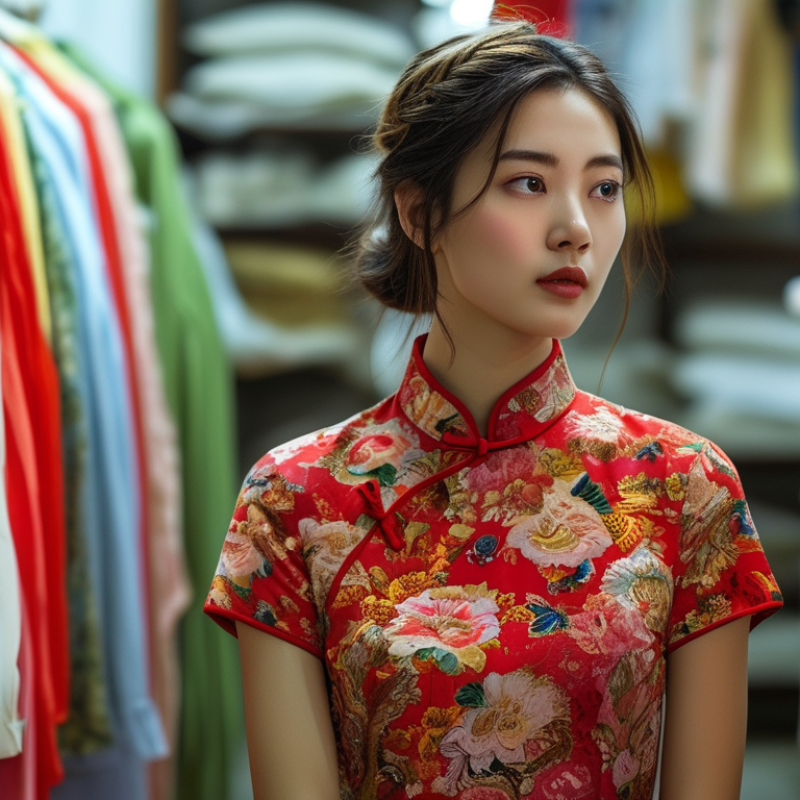
Key Materials Used in Women’s Clothing Production in China
When it comes to women’s clothing in China, materials play a crucial role in determining quality.
Cotton is a popular choice. It’s breathable and soft, making it ideal for everyday wear.
However, not all cotton is created equal. The source and production methods can greatly affect the fabric's durability and comfort.
Silk is another essential material, often associated with luxury. Its natural sheen and
smooth texture appeal to many. Yet, sourcing good quality silk can be challenging. Some lesser-known producers may use synthetic blends,
compromising quality and wearability. Consumers need to be careful and informed.
Synthetic fabrics like polyester are widely used too. They are cost-effective but can lack breathability.
This may lead to discomfort in warmer climates. Additionally, the environmental impact of synthetic materials raises concerns.
More brands are trying to use eco-friendly alternatives.
However, progress is slow. Many still prioritize cost over quality, leaving gaps in the market.
Impact of Manufacturing Techniques on Clothing Quality
The impact of manufacturing techniques on clothing quality in China is profound. Factors such as fabric selection, cutting precision, and stitching quality play pivotal roles. For instance, high-density fabrics often result in better durability, while poor stitching may lead to fraying. It’s essential for manufacturers to keep quality at the forefront of their production process.
Tips: Always check the fabric content before purchase. Understanding the material can help ensure better quality clothing. Additionally, inspect the stitching. Tight, even stitches often indicate better craftsmanship.
Another critical point is the technology used in manufacturing. Automated machines can enhance precision but may lack the nuance of skilled handwork. This balance between technology and craftsmanship can often determine the final quality of the garment. Variability in manufacturing processes can result in inconsistent product standards.
Tips: Consider researching the production techniques your chosen brands employ. Quality often aligns with transparency in manufacturing processes. Engage with producers who prioritize ethical practices; this can lead to superior offerings.
Role of Brand Reputation in Women’s Apparel Quality
Brand reputation significantly impacts women’s apparel quality in China. Research shows that brands with strong reputations often invest in superior materials, ethical production, and quality control measures. According to a report by the China National Textile and Apparel Council, quality awareness among consumers has surged, with over 70% prioritizing reputable brands in their purchasing decisions. This trend highlights the correlation between brand integrity and product excellence.
Women’s clothing brands that focus on environmental sustainability often achieve higher customer loyalty. An industry report noted that 65% of consumers are willing to pay more for clothing from brands committed to ethical practices. However, some brands still struggle with transparency. They may not disclose sourcing information or production conditions, leaving consumers questioning their commitments. This lack of clarity can harm their reputation and ultimately affect quality perceptions.
Tips: Prioritize brands with transparency in their processes. Look for certifications that reflect ethical practices. Remember, quality often comes with a price tag. Brands investing in their reputation usually reflect that in their final products. Pay attention to review platforms. They can reveal important insights into brand reliability and quality assurance.
Consumer Preferences and Their Influence on Clothing Standards
Consumer preferences play a critical role in shaping clothing quality standards in China. Many women prioritize comfort while shopping. They often seek materials that feel good against the skin. Natural fabrics like cotton and linen are favored for their breathability and softness. Yet, some may overlook durability, opting for fashion trends that may not last.
Quality doesn't solely depend on the fabric. Attention to stitching, detailing, and finishing processes matters too. Some consumers may not realize that these factors impact longevity and overall satisfaction. A stylish piece may end up unraveling after a few washes, leading to buyer disappointment.
**Tips:** When shopping, examine the garment closely. Look for neat seams and strong threads. This can indicate better quality. Also, check care labels for maintenance information. Understanding how to care for clothing can significantly extend its life. Remember, investing in quality means fewer replacements and ultimately, better value.
Top 10 Factors Influencing Women Clothing Quality in China
| Factor |
Influence Level (1-10) |
Consumer Preference (%) |
| Fabric Quality |
9 |
85% |
| Design/Style |
8 |
78% |
| Brand Reputation |
7 |
75% |
| Price |
8 |
70% |
| Sustainability |
8 |
68% |
| Fit and Comfort |
9 |
82% |
| Production Method |
6 |
60% |
| Trend Alignment |
7 |
76% |
| Care Instructions |
5 |
65% |
| Cultural Influence |
6 |
72% |
Regulatory Standards and Compliance in the Chinese Textile Industry
The regulatory landscape for women's clothing in China plays a crucial role in determining quality. Compliance with national standards helps ensure that textile products are safe and suitable for consumers. The government enforces various guidelines, covering materials, dyes, and manufacturing processes. Each year, these regulations undergo revisions, reflecting new health and environmental concerns.
However, many manufacturers struggle with compliance. Some may overlook these standards in pursuit of profit margins. This can lead to subpar materials being used, impacting overall garment quality. On the ground, small factories often lack the resources to keep up with changing regulations. This inconsistency raises questions about the reliability of products reaching consumers.
Awareness of these issues is growing. Consumers are becoming more informed about quality standards and are demanding safer options. The challenge lies in striking a balance between affordability and compliance. While some brands might prioritize cost, others are leading by example, ensuring they adhere to stringent regulations. This complex landscape requires ongoing dialogue among stakeholders—regulators, manufacturers, and consumers—to enhance the quality of women's clothing in China.
FAQS
: Strong brand reputations often lead to better materials and ethical production. This improves overall product quality.
Over 70% of consumers now prioritize brands with a good reputation. Quality awareness is noticeably increasing.
Yes, 65% of consumers would pay extra for clothing from environmentally sustainable brands. Loyalty is often higher in these cases.
Transparency builds trust. Brands that don’t disclose sourcing can hurt their reputation and lead to quality doubts.
Regulations ensure safer and higher-quality textile products. Compliance is essential for maintaining consumer trust in garment quality.
Many manufacturers prioritize profits over compliance, using lower-quality materials. Small factories often struggle with evolving regulations.
Yes, awareness is rising. Consumers increasingly demand safer and higher-quality options in women’s clothing.
Look for brands that provide transparent processes. Reviews and certifications can guide informed decisions about quality.
Yes, balancing cost and quality compliance is challenging. Some brands choose profit over adherence to safety standards.
Ongoing dialogue is essential among regulators, manufacturers, and consumers. This collaboration can enhance overall clothing quality.
Conclusion
The article explores what factors affect women's clothing quality in China by examining several key elements. First, it highlights the importance of materials used in the production process, noting that high-quality fabrics significantly enhance the durability and comfort of apparel. Additionally, the manufacturing techniques employed can greatly impact the final product, with advanced methods leading to better finishes and overall quality.
Moreover, brand reputation plays a critical role, as well-established brands often adhere to higher standards and consumer expectations. Consumer preferences are also influential; as buyers demand better quality, manufacturers are compelled to elevate their clothing standards. Lastly, regulatory standards and compliance within the Chinese textile industry help ensure that the products meet certain quality benchmarks, further affecting women's clothing quality. Overall, these factors collectively shape the landscape of women's apparel in China.

 Dahab Fashion