Choosing the right women's clothes for different seasons can be a challenge. It’s not just about style; it’s about practicality and comfort. Whether you're planning for spring florals or cozy winter layers, understanding how to choose women's clothes for different seasons is essential.
In 2026, trends are evolving, and so are the choices available. Consider the fabrics and colors that suit each season's mood. For instance, lightweight fabrics work well in hot summers, while warm fabrics are essential for chilly winters. Mixing textures is an art that can enhance any outfit. You might feel overwhelmed, but remember, it’s about finding your unique style.
Reflect on your wardrobe. Do you have pieces that transition well? Question if you really need clothes for every season, or if fewer, quality items would work better. Balancing trends with personal taste ensures you feel confident. Ultimately, navigating seasonal selections takes patience and a willingness to adapt.
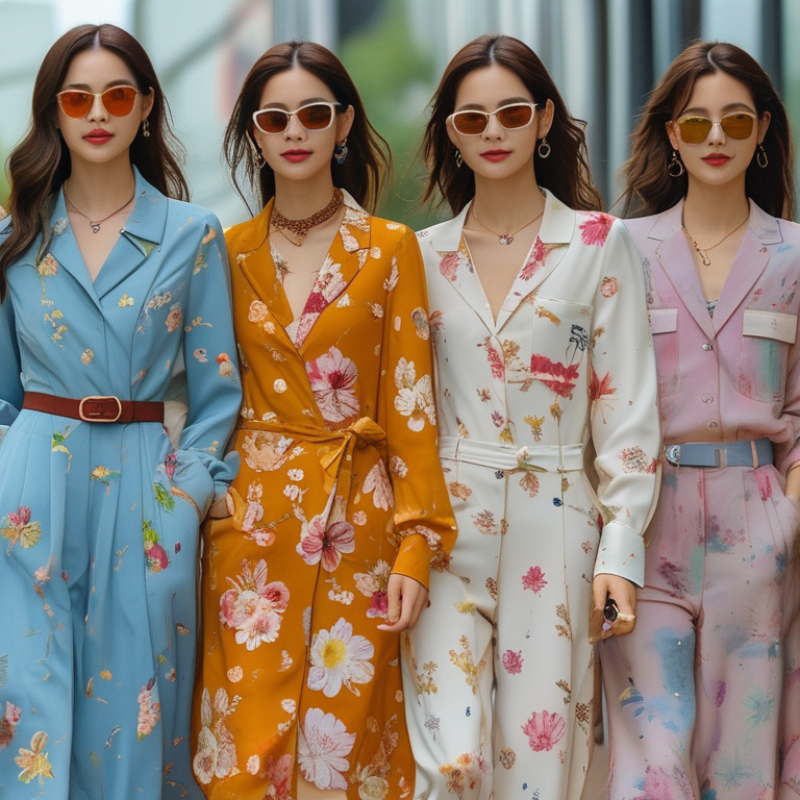
Understanding Seasonal Fashion Trends for Women in 2026
Understanding seasonal fashion trends for women in 2026 requires insight into various influential factors. According to the 2026 Fashion Insight Report, sustainability continues to shape style choices significantly. Over 70% of consumers now prioritize eco-friendly materials in their clothing selections. The shift towards sustainable fashion encourages emerging designers to innovate with recycled fabrics and durable designs.
The colors of the season also matter. The Pantone Color Institute anticipates that earth tones will dominate wardrobes throughout 2026. Shades of terracotta, moss green, and deep ocean blues are predicted to resonate with consumers seeking comfort and connection to nature. This shift affects how collections are curated, inviting a blend of classic styles and modern silhouettes.
Furthermore, inclusivity remains vital in fashion. Women want clothing that suits diverse body types. A recent survey indicated that 60% of women feel underrepresented in mainstream fashion. Brands are now more aware of this gap, resulting in increased size ranges and body-positive campaigns. This change pushes the industry to reflect a broader spectrum of beauty and style, yet challenges persist in attaining true inclusivity across all platforms.
Key Fabrics and Materials for Each Season's Wardrobe
Choosing the right women's clothes for each season in 2026 requires understanding the key fabrics and materials that best suit various climates. According to a recent fashion industry report, breathable fabrics like cotton and linen are ideal for spring and summer. These materials allow air circulation, keeping you comfortable in warmer temperatures.
For fall and winter, heavier fabrics like wool and cashmere are essential. Wool retains heat and provides insulation, essential during cooler months. The report indicates that sustainable materials are also gaining traction. Fabrics made from recycled fibers are increasingly popular. They offer a stylish yet environmentally friendly choice.
Tips: Incorporate layering techniques into your wardrobe. A light cotton blouse can serve as a base layer in cooler weather. In contrast, a wool cardigan can elevate your style during winter. Try mixing different textures to create visual interest. This adds depth to your outfits and showcases your personal style.
It's important to reflect on the impact of your choices. Are you prioritizing comfort over aesthetics? Striking a balance is crucial. Every season presents unique challenges and opportunities. Embrace them, but always consider how your fabric choices reflect your values and lifestyle.
Key Fabrics and Materials for Women's Seasonal Wardrobe in 2026
Essential Wardrobe Staples for Women in Spring, Summer, Fall, and Winter
Choosing the right clothing for women in each season can feel overwhelming. Each season brings unique weather and style demands. To build a reliable wardrobe, focus on essential staples that offer versatility and comfort.
In spring, opt for breathable fabrics. Light jackets are crucial for fluctuating temperatures. Floral dresses can brighten your look. Layering is key. Summer calls for lightweight materials. Think loose-fitting tops and shorts. A good swimsuit is essential for beach days. Don’t forget a wide-brimmed hat to protect from the sun.
As fall arrives, transition into darker shades. Cozy sweaters become favorites. Pair them with ankle boots for a chic appearance. Scarves add warmth and style. Winter demands practicality. Insulated coats will keep you warm. Choose durable fabrics that withstand cold and snow. Remember, personal style should always be reflected in your wardrobe choices. Clothing should be comfortable yet expressive of who you are.
How to Choose Women's Clothes for Every Season in 2026? - Essential Wardrobe Staples for Women in Spring, Summer, Fall, and Winter
| Season |
Clothing Item |
Description |
Fabric Type |
| Spring |
Lightweight Jacket |
Perfect for layering during unpredictable weather. |
Cotton Blend |
| Spring |
Floral Dress |
Ideal for outdoor gatherings and sunny days. |
Chiffon |
| Summer |
Tank Top |
Comfortable and breathable for hot weather. |
Linen |
| Summer |
Shorts |
Casual wear for beach outings and summer activities. |
Denim |
| Fall |
Cardigan |
Layering piece for cool evenings. |
Wool Blend |
| Fall |
Ankle Boots |
Stylish footwear that pairs well with various outfits. |
Leather |
| Winter |
Winter Coat |
Essential for warmth during cold days. |
Down Fill |
| Winter |
Knit Scarf |
Adds both warmth and style to winter outfits. |
Acrylic |
Accessorizing Women's Clothing for Seasonal Style in 2026
Accessorizing women's clothing for seasonal style in 2026 involves key choices that can transform an outfit.
A study by the Fashion Institute of Technology found that accessories can increase perceived outfit value by up to 70%. This emphasizes their importance in a woman's wardrobe.
For spring, think flowy scarves and bold jewelry pieces. These accessories bring freshness and vibrancy, perfect for the blooming season.
In summer, lightweight hats and sunglasses are essential. They not only protect from the sun but add personality to any outfit. A recent report from the Apparel Association indicated that accessories are becoming a 30% revenue driver for women’s fashion.
Fall calls for layered accessories like shawls and statement belts. They help create warmth while enhancing the seasonal aesthetic. Jewelry made from natural materials resonates well during this time.
Winter presents unique challenges. Winter accessories should provide both functionality and style. Cozy beanies and chic gloves can elevate an outfit while keeping one warm. According to market research, sustainable materials will dominate accessory choices, reflecting consumer preferences.
Remember, while accessorizing, aim for balance. Overdoing it can clutter an outfit, leading to a less polished look. Strive for a harmonious combination that highlights your individual style.
Sustainable and Ethical Fashion Choices for Every Season
When exploring sustainable and ethical fashion in 2026, it’s essential to understand its importance for our environment and society. Reports indicate that about 92 million tons of textile waste is generated globally each year. This stark reality urges consumers to prioritize not only the style but also the impact of their clothing choices.
Consider opting for fabrics made from recycled materials or organic cotton. Organic farming uses 91% less water compared to conventional methods. These facts highlight the significant benefits of sustainable fabrics. Additionally, brands embracing ethical practices often provide transparency in their supply chains. A 2022 survey revealed that almost 70% of consumers prefer purchasing from companies committed to responsible practices.
As seasons change, so can our wardrobe choices. Versatile pieces crafted from sustainable materials can be layered or mixed, ensuring longevity and reducing waste. However, many still gravitate towards fast fashion, frequently leading to buyer’s remorse once they learn of the environmental toll. Future choices should involve reflecting on the lifecycle of clothing and its broader impact on our planet.
Conclusion
In 2026, understanding how to choose women's clothes for different seasons involves staying updated with the latest seasonal fashion trends. Each season presents unique styles that can elevate a woman's wardrobe. Key fabrics and materials play a crucial role in creating a versatile wardrobe, ensuring comfort and functionality throughout the year. Essential wardrobe staples for spring, summer, fall, and winter must be carefully selected to reflect the distinctive characteristics of each season.
Moreover, accessorizing women’s clothing is vital for enhancing seasonal styles, as the right accessories can transform an outfit. As the fashion landscape shifts towards sustainability, making ethical fashion choices for every season is more important than ever. Women are encouraged to seek eco-friendly materials and sustainable practices, ensuring their fashion choices positively impact both personal style and the environment.

 Dahab Fashion