2026 Best Womens Clothing What Makes High Quality?

Time:2026-10-15 Author:Mason
0%

In 2026, shoppers are asking a sharper question: what makes high quality women's clothing worth buying? The answer reaches beyond a polished photograph or a prestigious label. It begins with fabric performance, precise construction, responsible sourcing, and long-term wear. A dense cotton shirt should resist twisting after washing. A tailored jacket should keep its shape at the shoulders. Small details matter, including even stitching, secure buttons, clean seams, and clear care instructions.

Industry data supports this practical view. WRAP’s Valuing Our Clothes report found that extending a garment’s life by nine months can reduce its carbon, water, and waste footprints by around 20–30%. The 2024 ThredUp Resale Report projects the global secondhand apparel market will reach $350 billion by 2028. Longevity is becoming measurable value. Textile Exchange’s 2024 Materials Market Report also recorded global fiber production at 124 million tonnes in 2023, showing why material choices deserve closer attention.

“The most sustainable garment is the one already in your wardrobe,” says Clare Press, a fashion journalist and sustainability expert. Her point changes the buying test. Quality should support repeated wear, repair, and personal use, not just first impressions. Still, no checklist is perfect. Even expensive clothing can hide weak linings, fragile elastane, or poor labor transparency. A careful evaluation combines touch, inspection, brand evidence, and real experience after washing. This guide examines the construction, materials, fit, finishing, and accountability that define what makes high quality women's clothing in 2026.
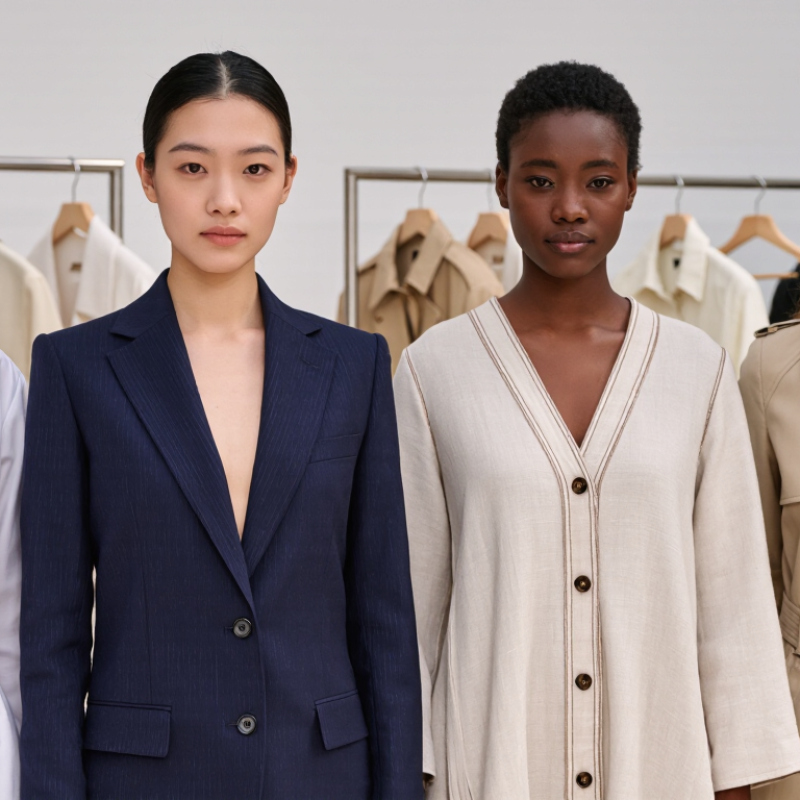
2026 Best Womens Clothing What Makes High Quality?

Definition of High-Quality Women’s Clothing in 2026

In 2026, high-quality women’s clothing means more than a polished appearance. It combines dependable materials, thoughtful construction, and comfort for real daily movement. A well-made jacket should keep its shape after repeated wear, while seams stay flat against the skin. I check stitching, fabric recovery, lining, and button security before judging a garment. Small details matter.

Reliable fabric information is equally important. Fiber content, care instructions, and production details should be clear rather than vague. Responsibly sourced fibers can reduce environmental pressure, but one “eco” label proves little. Durability remains practical evidence. A dress that survives washing, commuting, and changing seasons offers better value than a fragile piece bought for one photograph. Fit also needs flexibility, because women’s bodies and routines are not standardized. Adjustable waists, sensible pockets, breathable panels, and inclusive sizing show professional design thinking.

Quality should feel calm, not merely expensive. In my experience, the best garments become familiar tools: a shirt that resists pilling, trousers that allow stairs, and knitwear that does not lose balance at the elbows. Yet perfection is unrealistic. Natural fibers may wrinkle, and careful tailoring can still miss one body shape. That is worth admitting. Buyers should inspect construction, test movement, and question impressive claims. High-quality clothing in 2026 is honest about performance, repair, origin, and limits.

2026 Best Women's Clothing: What Makes High Quality?

High-quality women's clothing is commonly evaluated through standardized textile tests. A grade of 4 or higher on a 1–5 scale generally indicates strong performance in durability, color retention, pilling resistance, and dimensional stability.

Reference benchmark: ISO and ASTM textile testing practices. Ratings are shown on a 1–5 performance scale, where 5 represents excellent resistance or stability.

Key Materials and Fabric Standards for Durable Women’s Wear

2026 Best Women’s Clothing: What Makes High Quality?

High-quality women’s clothing begins with the fiber, not the label. Longer-staple cotton usually creates smoother yarns and reduces early pilling. Wool should feel resilient, with even fibers and no brittle, dry patches. Linen can soften beautifully, but loose weaving may distort after washing. Fabric weight matters, yet heavier does not always mean stronger. A tightly woven 150-gram shirt can outlast a poorly made 220-gram garment.

Textile Exchange reported that global fiber production reached about 124 million tonnes in 2023. It may exceed 160 million tonnes by 2030. This growth makes durability more important, because longer use reduces replacement pressure. WRAP’s Valuing Our Clothes research found that extending a garment’s active life by nine months can reduce its carbon, water, and waste footprints by roughly 20–30%.

124 million tonnes
in 2023

Small construction details matter. Check reinforced seams, secure buttons, balanced hems, and smooth inside finishes.

Testing gives buyers stronger evidence. ISO 12947 abrasion testing measures resistance under repeated rubbing, while ISO 105-C06 evaluates colorfastness during washing. Shrinkage testing is also essential. A beautiful dress that loses its shape after one wash is not high quality.

No test replaces judgment. I still inspect areas around pockets, waistbands, and underarms, where stress appears first. Standards help, but manufacturing can remain inconsistent. That uncomfortable gap deserves more honest checking.

Construction, Fit, and Finishing Features That Indicate Quality

2026 Best Womens Clothing: What Makes High Quality?

Quality womens clothing begins with construction, not appearance alone.

In garment inspections, I check whether seams lie flat under gentle tension. Even stitches usually signal controlled production. Look for secure seam ends, clean thread trimming, and fabric cut along the grain. A twisted side seam can make an expensive-looking piece hang poorly.

Fit reveals more than a size label.

Try sitting, reaching, and lifting your arms. The shoulder seam should rest near the shoulder edge. Trousers should bend without pulling across the hips. A jacket needs room for a thin layer, but excess fabric can weaken its shape. I once chose a beautiful dress with a perfect waist, yet the armholes restricted movement. That mistake changed how I judge clothing.

Finishing details deserve close attention.

Check smooth hems, reinforced pockets, aligned patterns, and buttons sewn tightly enough to resist daily use. Linings should move independently without bunching. Zippers must glide without catching fabric. Natural fibers may have small variations, and that is not automatically poor quality. Still, uneven puckering or careless pressing deserves caution. Care labels also matter because a well-made garment can lose its shape through unsuitable washing. A small flaw may be harmless. Several together suggest rushed workmanship.

Sustainable and Ethical Criteria for Evaluating Clothing Brands

2026 Best Women's Clothing: What Makes High Quality?

Sustainable clothing begins with evidence, not attractive wording. Check the fiber content, production country, and care instructions. A durable shirt should have even seams, secure buttons, and fabric that keeps its shape after washing. I inspect the collar, hems, and underarm stitching before buying. These small details often reveal more than a polished product description. Responsible brands should explain their suppliers, factory standards, and worker protections clearly.

Ethical evaluation requires specific proof. Look for independent certifications, public supply-chain information, and realistic claims about wages. A factory audit alone may not show everyday working conditions. Ask whether workers receive fair pay, safe equipment, and reasonable working hours. Repair services and spare buttons also suggest longer-term responsibility. Still, no garment is impact-free. Organic cotton can require substantial water, while recycled synthetics may release microfibers during washing. The “greenest” choice is sometimes wearing an existing garment longer.

I have learned to question perfect promises. A low-impact fabric can still come from poor labor conditions. A high price does not automatically prove ethical production. Compare material durability, care requirements, and the company’s published evidence. Choose fewer pieces that suit your actual routine, such as a washable jacket for weekly commuting. Wash clothing in cooler water and avoid unnecessary drying. My own choices are not flawless, especially when convenience wins. That discomfort matters because responsible shopping requires ongoing attention, not one final checklist.

How to Assess Value, Care Needs, and Long-Term Performance

High-quality womenswear should earn its price through wear, not a polished label. Assess fabric density, recovery, seam consistency, and lining behavior. Gently stretch knit areas, then check whether they return without rippling. Inspect pocket openings and crotch seams, where stress often appears early. The Textile Exchange Materials Market Report 2024 recorded 124 million tonnes of global fiber production in 2023. That scale makes longer garment use a practical environmental test. Value also includes comfort after washing, repair access, and cleaning requirements.

Care instructions deserve close attention. A delicate-only garment may look affordable but demand costly time. Check shrinkage warnings, color-transfer risks, and fastener quality before buying. WRAP’s Valuing Our Clothes research found that adding nine months to a garment’s active life can reduce carbon, water, and waste footprints by about 20–30%. Still, this is an average, not a promise. Washing habits, climate, and closet turnover can change the result. I prefer fewer reliable pieces, though I sometimes overestimate my willingness to repair them.

Tips: Photograph the garment before washing. Measure sleeve and hem changes after one cycle. Choose cold washing when the care label permits it. Dry shape-sensitive knits flat. Keep spare buttons in a labeled envelope. Ask whether the fabric pills, fades, or twists after repeated wear. A seven-day home trial reveals more than a bright fitting-room mirror. Maybe not enough. But it is evidence.

FAQS

How can I tell whether women’s clothing is well constructed?

Check flat seams, even stitches, secure thread ends, and cleanly cut fabric. A twisted side seam can ruin the garment’s shape.

What should I test during fitting?

Sit, reach forward, and lift your arms. The garment should allow movement without pulling across your shoulders, hips, or armholes.

Which finishing details deserve attention?

Inspect smooth hems, reinforced pockets, aligned patterns, firm buttons, and a zipper that glides without catching.

Are small fabric variations a sign of poor quality?

Not always. Natural fibers may vary slightly. Several flaws together, such as puckering and careless pressing, suggest rushed work.

How can I judge a garment’s sustainability?

Read the fiber content, production country, care label, and supply-chain information. Attractive environmental wording is not enough evidence.

Does a higher price prove ethical production?

No. Price alone proves little. Look for specific information about worker safety, fair pay, factory conditions, and independent verification.

How should care requirements affect my buying decision?

Check washing, drying, shrinkage, and color-transfer instructions. A delicate garment may cost more time than expected.

What can I do to test long-term performance?

Stretch knit areas gently, inspect stress points, and photograph the garment before washing. Measure sleeve and hem changes afterward.

Is repairing clothing always the most responsible choice?

Not necessarily. Repairing extends use, but I sometimes overestimate my willingness to repair. Choose pieces you can realistically maintain.

Does wearing clothing longer make a meaningful difference?

Usually, longer use reduces repeated purchasing and waste. Still, results vary with washing habits, climate, and closet turnover. No checklist is perfect.

Conclusion

In 2026, what makes high quality women's clothing goes beyond appearance. It begins with carefully selected materials that offer comfort, breathability, strength, and shape retention, such as well-finished natural fibers, reliable blends, and responsibly developed innovative fabrics. Quality also depends on construction: precise stitching, reinforced stress points, secure fastenings, balanced patterns, and a fit that allows movement without losing its structure. Clean hems, consistent seams, and thoughtful finishing details are clear signs of careful workmanship.

A well-made garment should also reflect sustainable and ethical standards, including responsible material sourcing, reduced waste, fair working conditions, and production methods designed to limit environmental impact. Buyers should evaluate the full value of clothing by considering durability, versatility, care requirements, repairability, and performance after repeated washing and wearing. The best women’s clothing remains comfortable, attractive, and functional over time, making a higher initial investment worthwhile while reducing the need for frequent replacement.

Mason

Mason

Mason is a seasoned marketing professional with a deep expertise in the company's offerings and a passion for driving brand awareness. With a strong background in digital marketing strategies, he has an innate ability to connect with diverse audiences and effectively communicate product benefits.......